NASA's Artemis II Signals New Era of Moon Cooperation
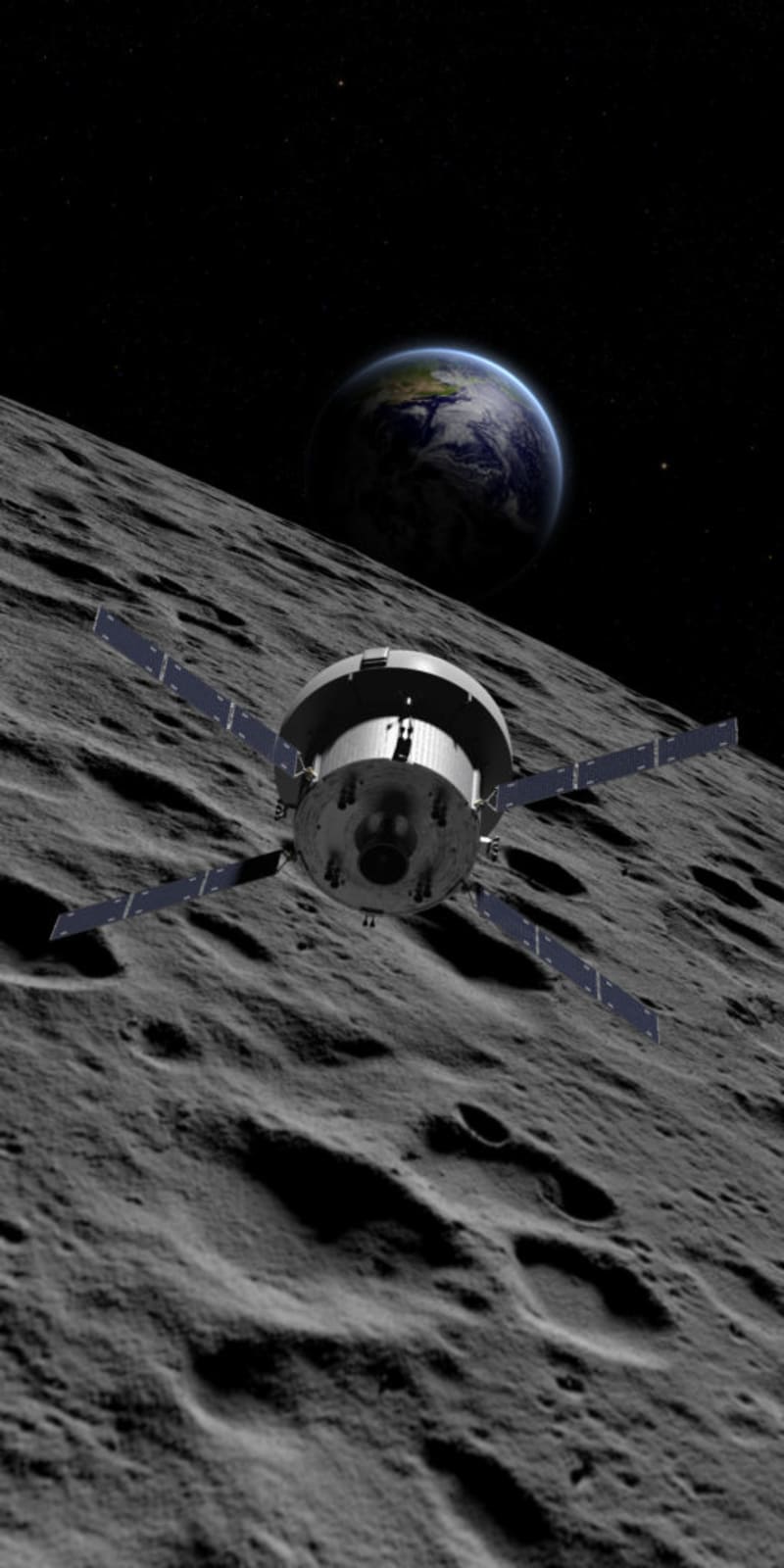
In February 2026, four astronauts will loop around the Moon in a mission that marks a fundamental shift in space exploration. Unlike the Cold War's two-nation race, America's return to the Moon now centers on building partnerships and sustained presence.
When Apollo 13 circled the Moon in 1970, it was a two-player game between superpowers trying to prove who was strongest. This February, NASA's Artemis II will take four astronauts on the same journey, but the mission represents something entirely different: a strategy built on collaboration rather than competition.
The space race has transformed from a symbolic contest into something far more practical. More countries than ever are heading to the Moon, with China emerging as a major player through steady robotic missions and plans for a crewed landing by 2030. But while China's program operates under tight state control, America has chosen a different path.
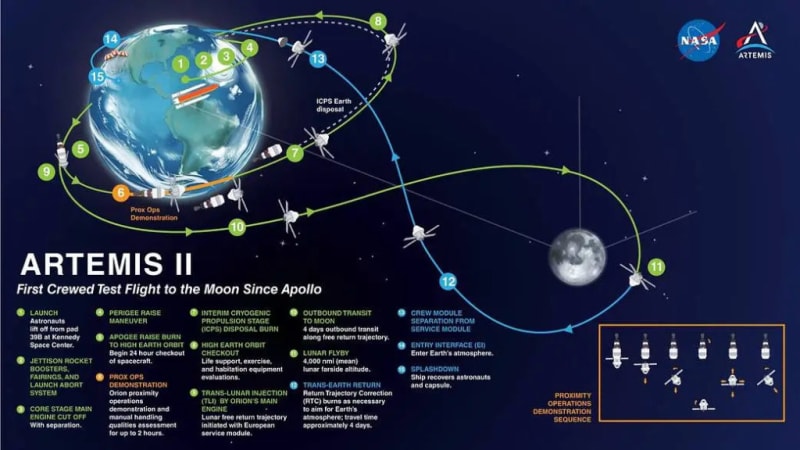
Artemis II won't land on the Moon. The crew will test life support systems, navigate around the lunar far side, and return home safely. Yet this seemingly modest mission carries enormous strategic weight because it proves the U.S. can sustain the political will and funding stability needed for long-term human spaceflight.
The mission serves as a bridge to Artemis III, planned for 2028, when astronauts will land near the Moon's south pole. Each step demonstrates that NASA is moving beyond one-time achievements toward permanent operations in space.
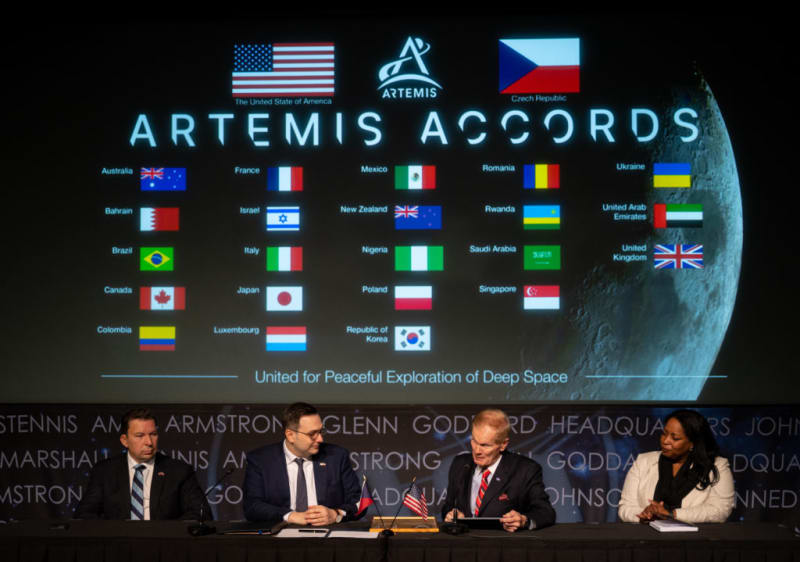
What makes Artemis stand out is its intentional openness. The program welcomes international partners and commercial companies to operate within a shared framework. This approach expands capabilities while establishing norms for how countries should behave when landing spacecraft, operating equipment, and using lunar resources.
The Ripple Effect
This collaborative model creates something more valuable than any single mission: it shapes expectations for responsible behavior beyond Earth. When multiple countries and companies work together repeatedly, they establish practical rules through their actions, not just treaties.
The 1967 Outer Space Treaty already requires countries to show "due regard" for others and avoid harmful interference. As lunar activity increases, these vague principles need practical interpretation. Countries that show up consistently and demonstrate safe operations get to influence how those standards develop.
By choosing partnership over isolation, the U.S. is building a coalition that can operate sustainably on the Moon while setting precedents for peaceful, coordinated space activity.
The race to the Moon isn't about planting flags anymore—it's about proving who can build a future there worth staying for.
More Images

Based on reporting by Google News - Science
This story was written by BrightWire based on verified news reports.
Spread the positivity!
Share this good news with someone who needs it