NASA's Artemis II Success Sparks New Moon Base Era
Four astronauts just completed a historic loop around the Moon, reigniting dreams of lunar living. NASA plans annual Moon landings starting in 2028, with a permanent base on the horizon.
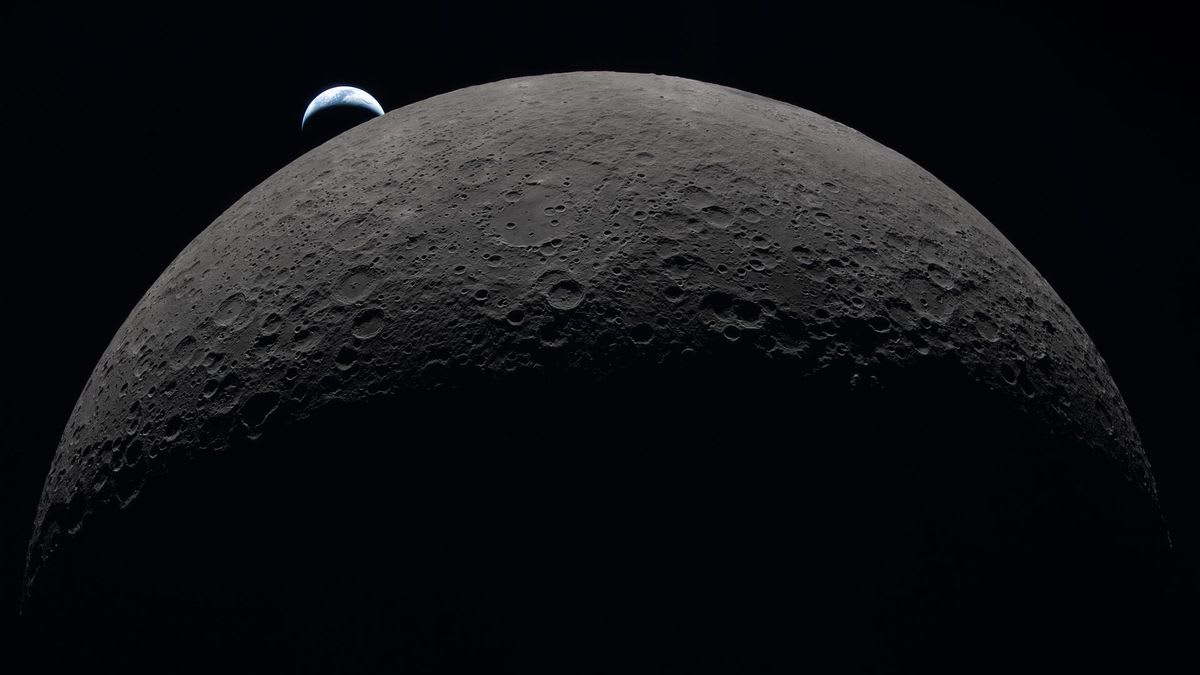
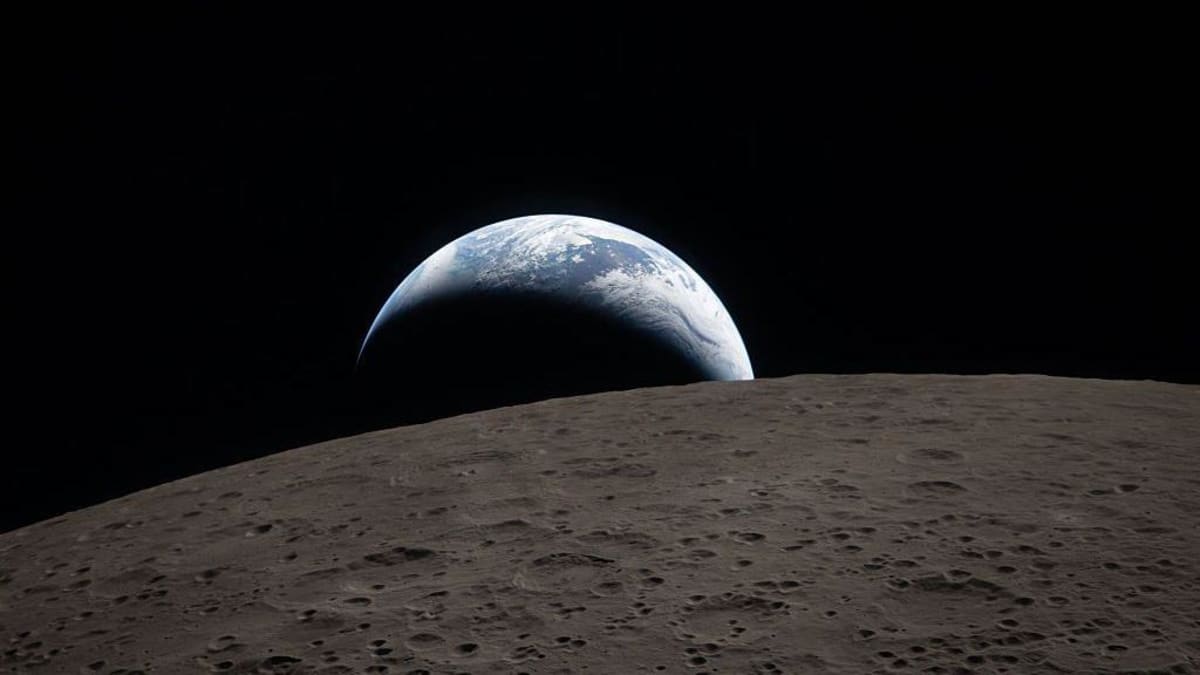
The images are breathtaking, and the mission was flawless. NASA's Artemis II just brought four astronauts safely home from the Moon's far side, thrilling a new generation about humanity's future in space.
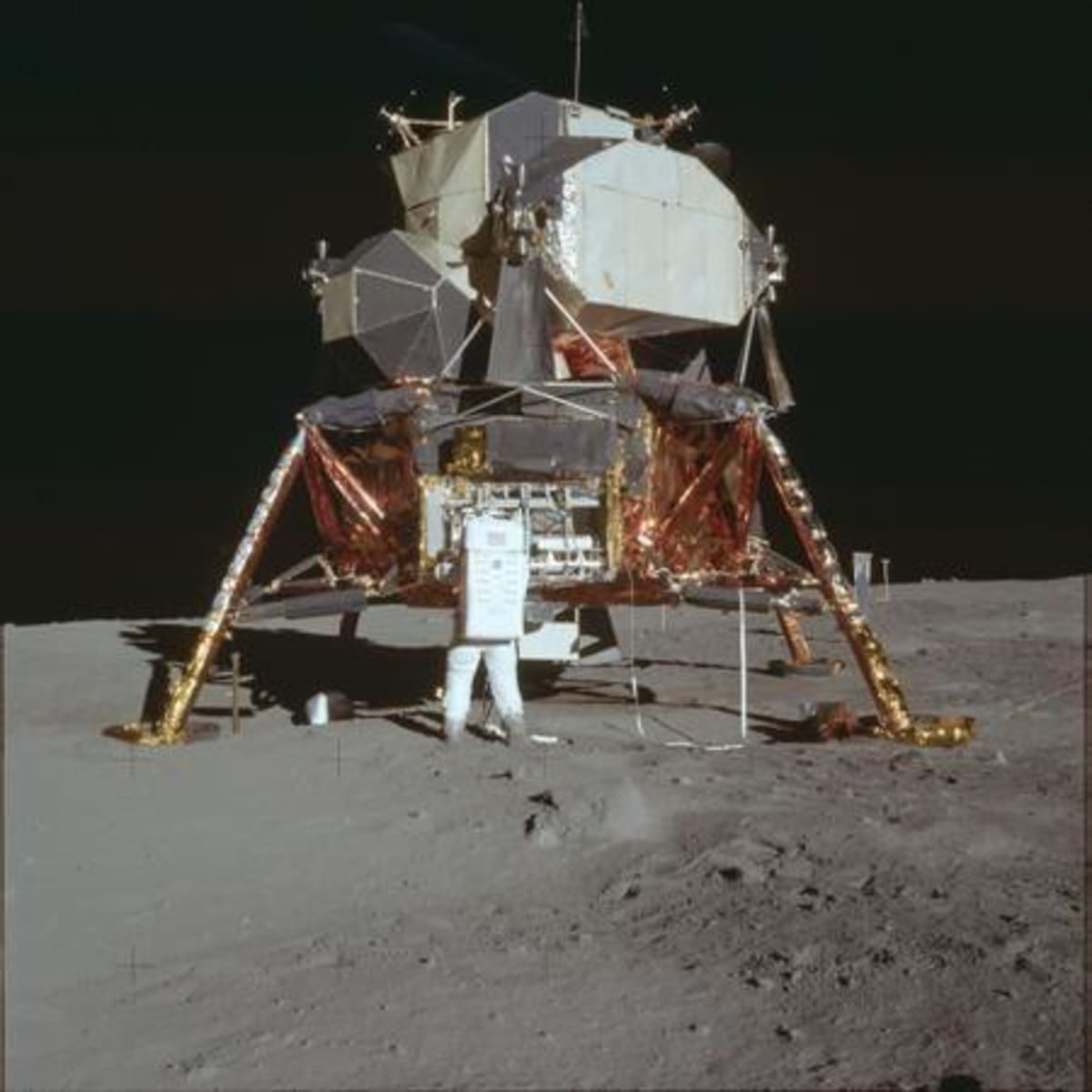
The Orion spacecraft performed beautifully during its historic flight, capturing stunning photos that remind us why space exploration matters. Unlike the Apollo missions of the 1960s, which were born from Cold War competition and quickly abandoned, Artemis represents something different: a sustained commitment to living and working beyond Earth.
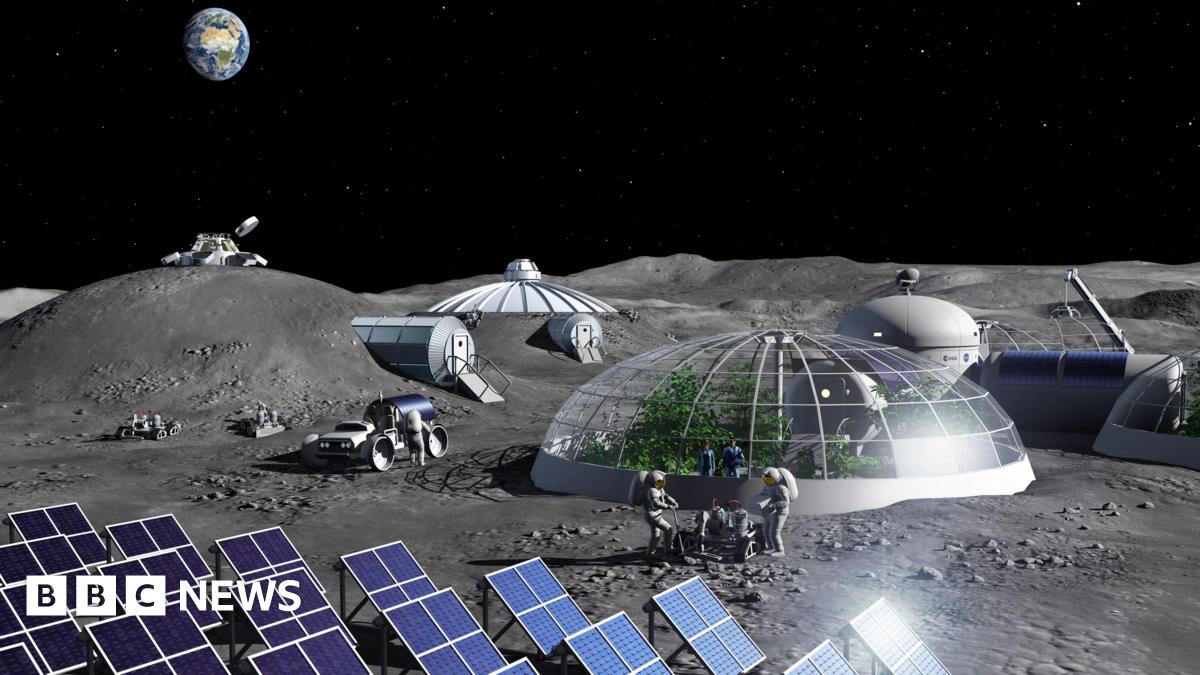
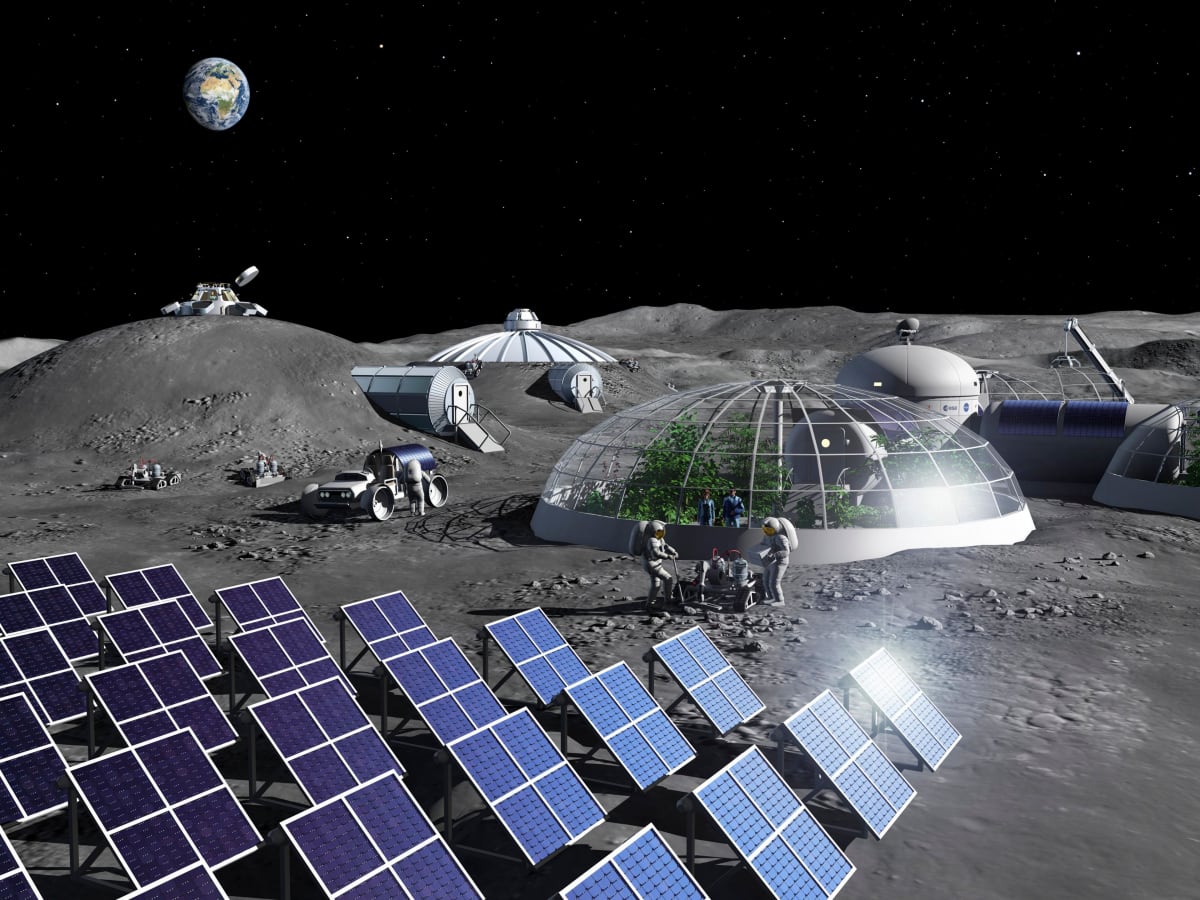
NASA Administrator Jared Isaacman has outlined an ambitious roadmap. The plan calls for one crewed lunar landing every year beginning in 2028, with the fifth Artemis mission that same year marking the start of an actual Moon base.
"The Moon economy will develop," says Josef Aschbacher, Director General of the European Space Agency. "It will take time to set up the various elements, but it will develop."
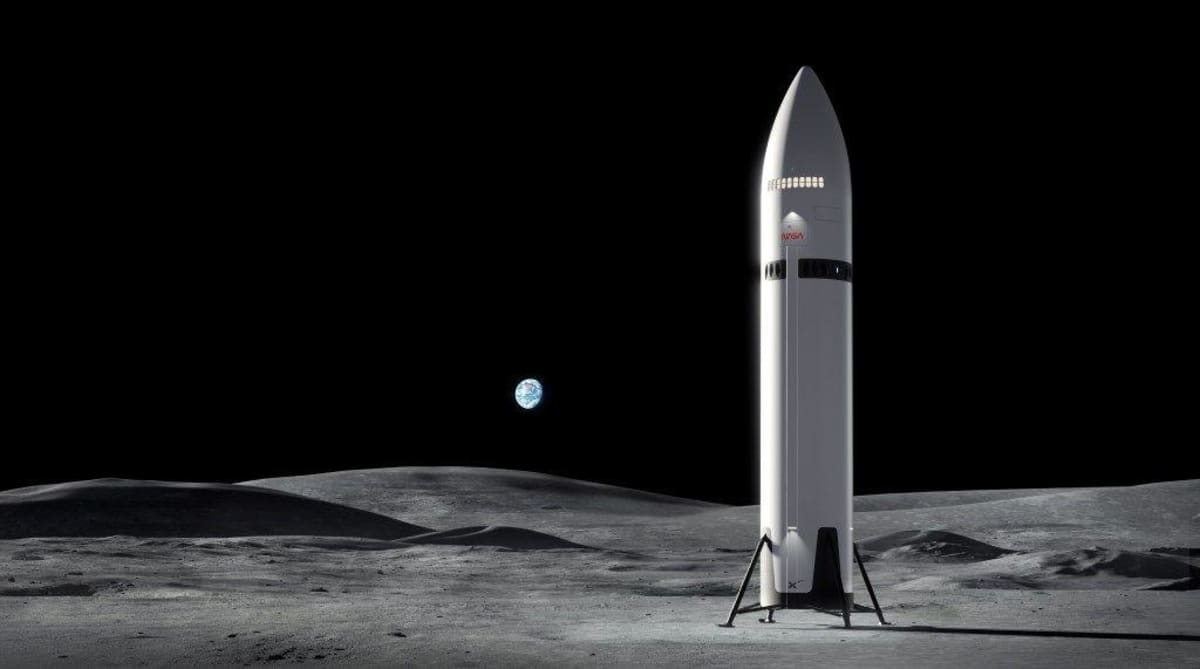
The next steps are massive. Building a lunar base requires huge landers capable of carrying pressurized rovers, equipment, and infrastructure, not just two astronauts collecting rocks. SpaceX and Blue Origin are both developing these next generation landers, though they're running behind schedule.
These enormous spacecraft need propellant depots orbiting Earth, topped up by more than 10 separate tanker flights. Engineers are working to perfect the delicate process of transferring super cold liquid oxygen and methane between spacecraft in the vacuum of space.
Why This Inspires
This mission proves we haven't lost our ability to reach beyond our planet. The children watching astronauts circle the Moon today could genuinely become the adults working in lunar laboratories, mining facilities, or research stations.
The timeline faces real challenges, but the commitment is different this time. Congress is backing the 2028 deadline with billions in funding, and China's parallel plan to land astronauts around 2030 has created renewed urgency.
Dr. Simeon Barber from the Open University acknowledges the technical hurdles are steep, but the physics makes sense. Each challenge solved brings humanity closer to becoming a multi world civilization.
The hard work lies ahead, but Artemis II proved we can do hard things when we decide they matter.
More Images
Based on reporting by BBC Science
This story was written by BrightWire based on verified news reports.
Spread the positivity!
Share this good news with someone who needs it