NASA's Curiosity Rover May Have Found a Mars Meteorite
After nearly 5,000 days exploring Mars, NASA's Curiosity rover just spotted something that might not even be from the Red Planet. A mysterious dark rock nicknamed "Thola" could actually be a visitor from deep space. #
After nearly 5,000 days exploring Mars, NASA's Curiosity rover just spotted something that might not even be from the Red Planet.
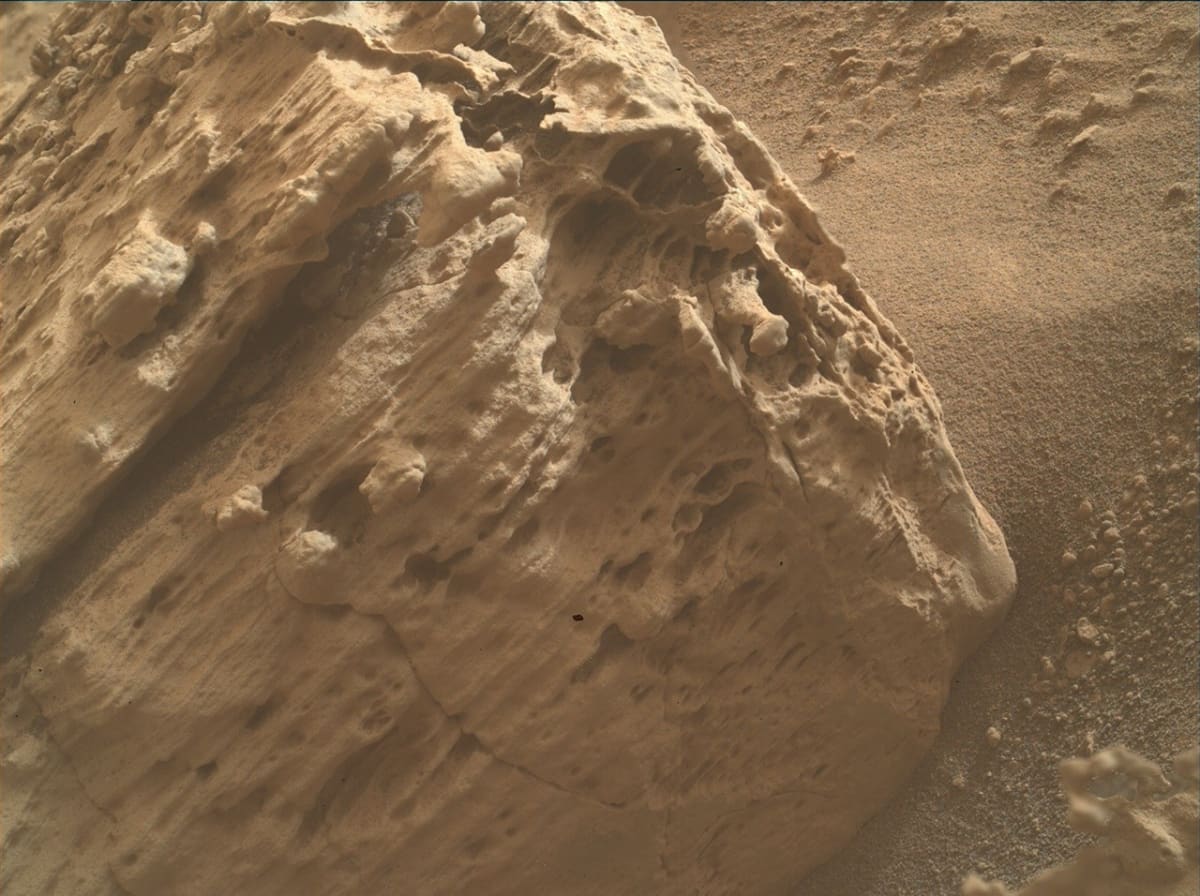
During its latest mission in early March 2026, Curiosity discovered a dark rock that scientists believe could be a meteorite from beyond Mars. The rover is now using its suite of scientific instruments to determine whether the stone, playfully named "Thola," is native Martian rock or an ancient visitor from the asteroid belt.
The discovery happened as Curiosity explored the edge of a fascinating geological feature called the "boxwork unit." This spiderweb-like terrain has kept scientists intrigued for weeks, and the rover is now examining where this unusual landscape meets neighboring rock formations.
Dr. William Farrand and his team at the Space Science Institute are running chemical tests and imaging the mysterious rock up close. The rover's specialized cameras captured detailed images of its pitted surface, while other instruments measured its reflective properties and chemical makeup.
This isn't the first time Curiosity has encountered potential space rocks on Mars. Over the past year, the rover has spotted several dark stones that scientists suspect are stony meteorites called chondrites. Finding and studying these cosmic travelers helps scientists understand both Mars and the broader solar system.
Why This Inspires
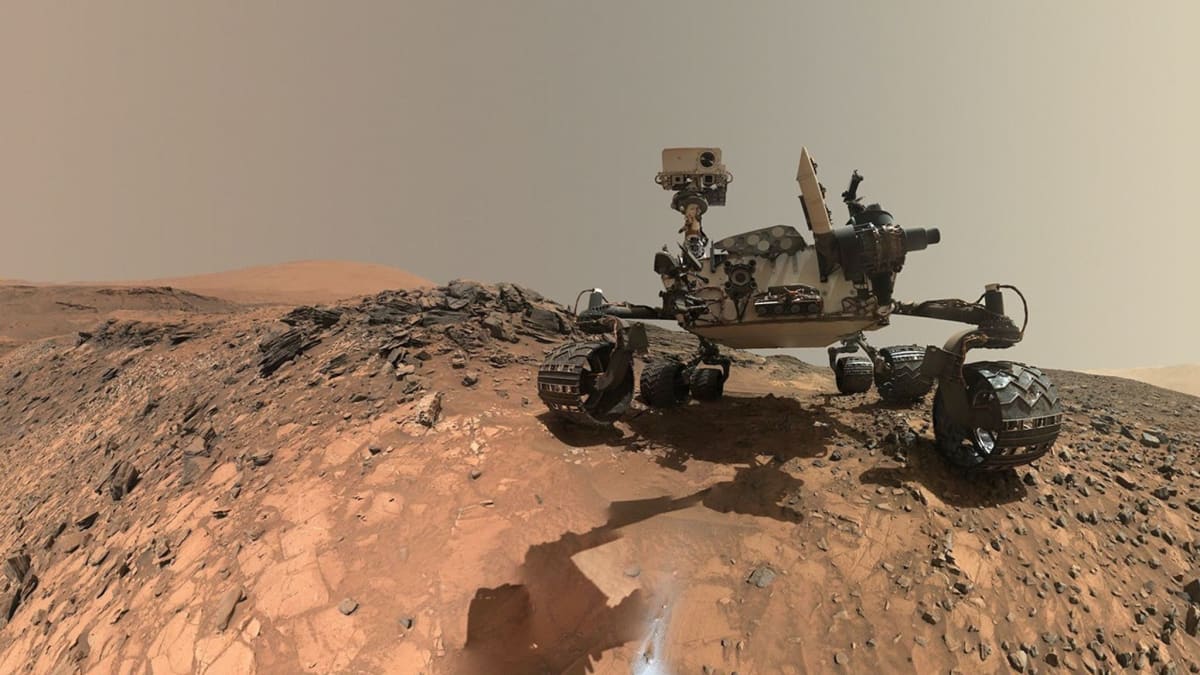
Curiosity landed on Mars back in 2012, and it's still making discoveries that excite scientists. The rover has traveled thousands of meters across the Martian surface, analyzing rocks, taking thousands of photos, and helping us understand whether the Red Planet could have ever supported life.
The fact that a robot millions of miles from Earth can still surprise us with unexpected finds speaks to both human ingenuity and the endless mysteries waiting to be uncovered. Every image Curiosity sends back represents years of engineering, planning, and the collaborative work of hundreds of scientists who refuse to stop exploring.
Whether Thola turns out to be a meteorite or just an unusual Martian rock, the discovery reminds us that exploration always brings surprises. Curiosity is now driving toward the southern edge of the boxwork terrain, ready for whatever comes next.
The rover that was only supposed to last two years is still going strong after 14, proving that sometimes the best stories come from simply refusing to give up.
#
More Images



Based on reporting by NASA
This story was written by BrightWire based on verified news reports.
Spread the positivity!
Share this good news with someone who needs it
%2Fhttps%3A%2F%2Ftf-cmsv2-smithsonianmag-media.s3.amazonaws.com%2Ffiler_public%2Ff0%2Ffe%2Ff0fe19e4-e68b-474d-b0a4-19c5beb9d19d%2Fspeedy-star.webp)