NASA's Daring Plan Saves 22-Year-Old Space Telescope
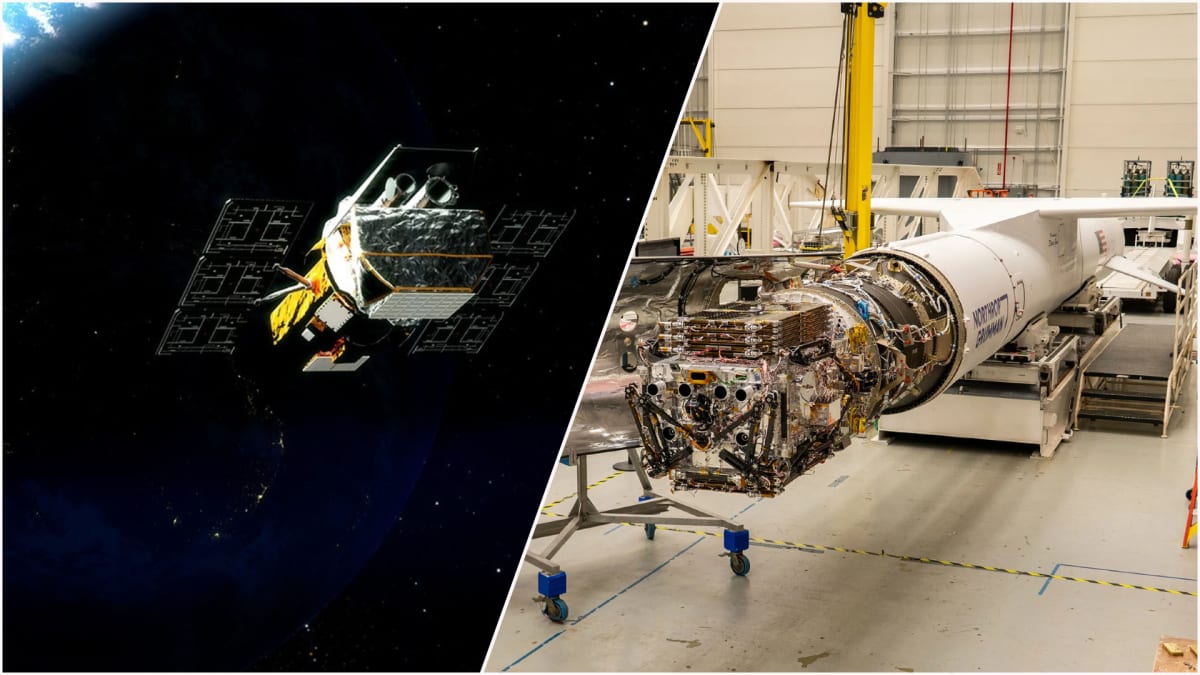
NASA's Swift space observatory was doomed to crash to Earth by summer's end, but a startup built a rescue spacecraft in just nine months. The mission launches June 27 to catch and boost the falling telescope back into safe orbit. #
A space telescope that has been hunting the universe's most powerful explosions for over two decades was falling to Earth, destined to burn up in the atmosphere by summer's end. NASA just built an unprecedented rescue mission in record time to save it.
The Swift Observatory, launched in 2004 to study gamma-ray bursts (the most energetic explosions in the cosmos), has been slowly falling from its orbit 375 miles above Earth. Without thrusters of its own, the telescope couldn't fight back against increased drag from solar activity puffing up Earth's atmosphere.
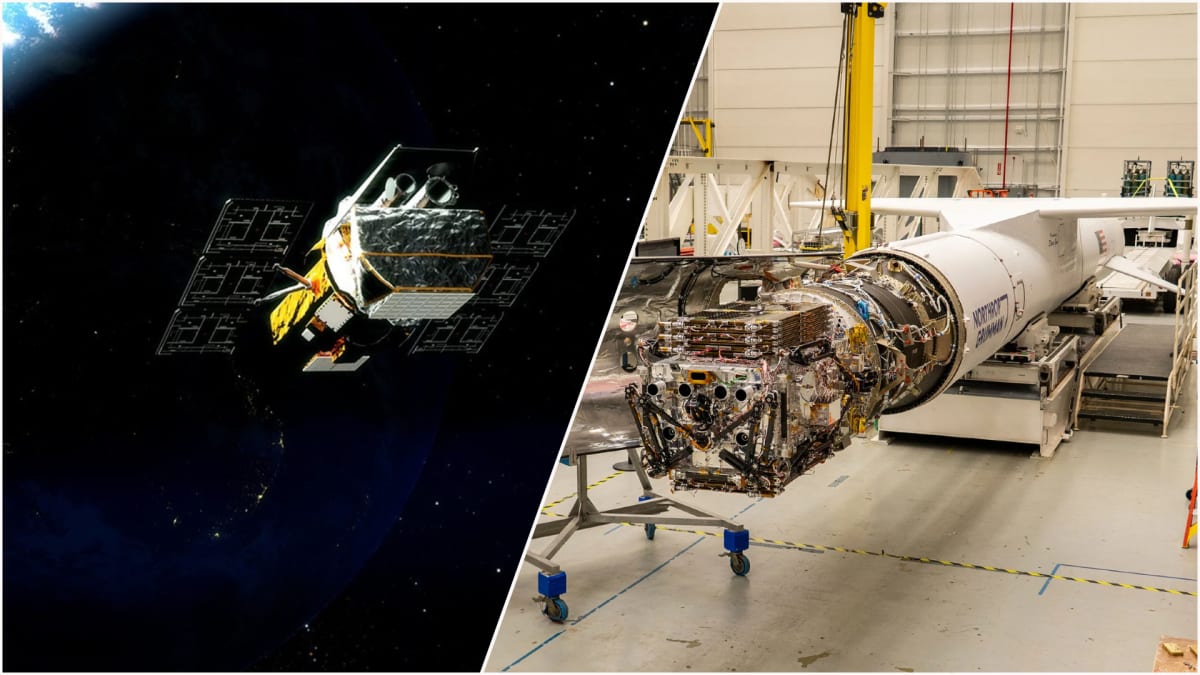
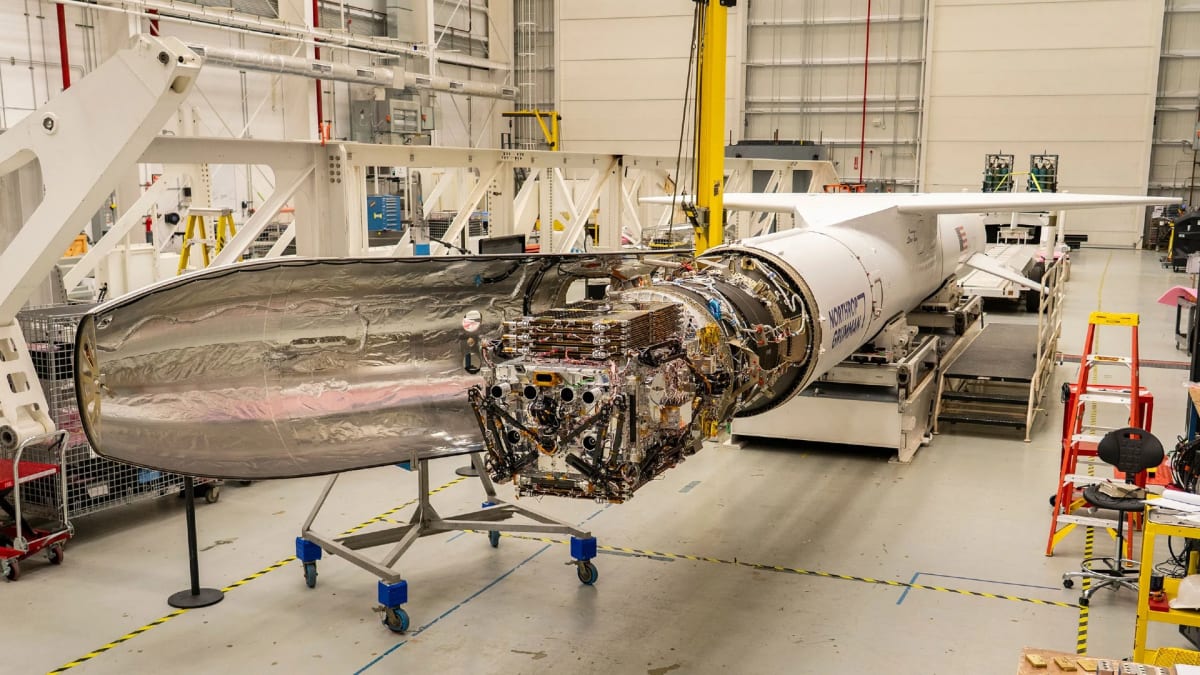
Enter Katalyst Space Technologies, an Arizona startup that did what many thought impossible. In just nine months, they built Link, a robotic spacecraft designed to catch Swift, dock with it, and push it back to safety. The price tag? Just $30 million.
"Frankly, I have to be honest: No one thought it was going to be possible," said Shawn Domagal Goldman, NASA's Astrophysics Division director. Link is now packed aboard its rocket, ready for a June 27 launch from the South Pacific's Kwajalein Atoll.
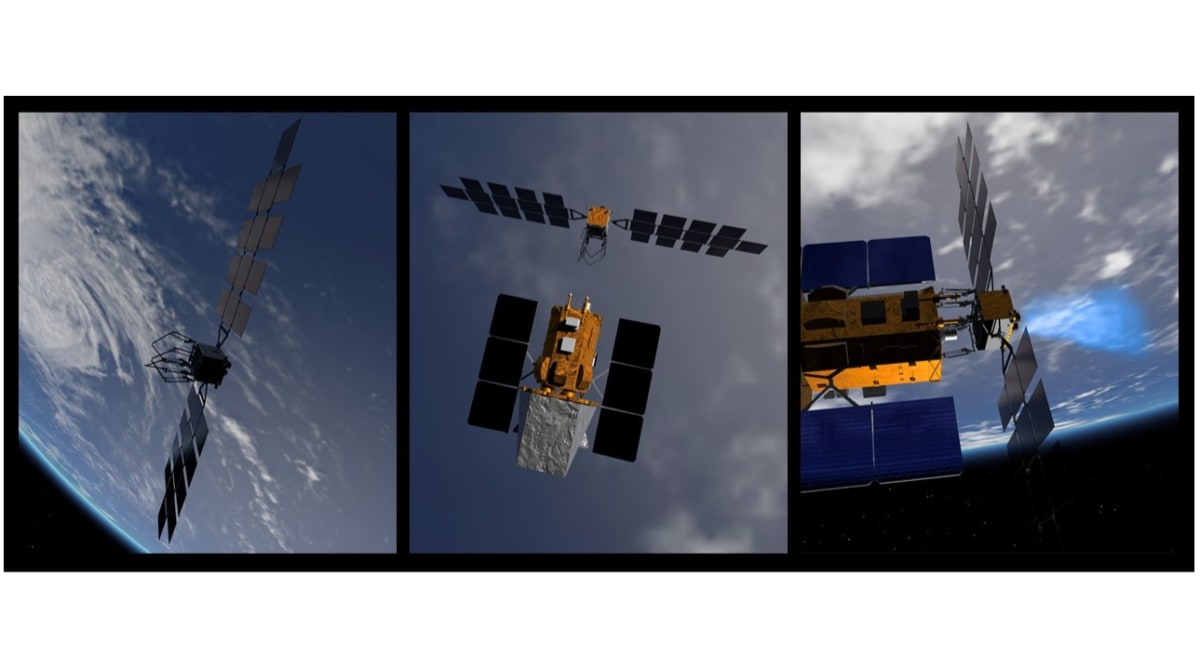
The spacecraft comes equipped with three robotic arms and advanced thrusters specifically designed for this delicate dance. After launch, Link will spend a few weeks testing its systems before carefully approaching Swift for the historic docking maneuver with a telescope never designed to be caught.
Swift was meant to last just two years in orbit. Instead, it's flourished for over 20 years, detecting more than 2,000 gamma-ray bursts from across the visible universe. The telescope helped scientists prove that the heaviest elements we know, including gold and platinum, were forged by these cosmic explosions.
"It is a swift observatory that can quickly pivot across the night sky to find things that go boom in the night," Domagal Goldman explained. "So we decided, yeah, we want to go save this one this time because of how special it is."
Once Link reaches Swift's orbit later this summer, it will perform proximity operations, dock with the telescope, and gradually boost it back to its original safe orbit over several months. The maneuver will add years of productive life to Swift's groundbreaking mission.
Why This Inspires
This rescue represents more than just saving one telescope. It proves that commercial companies can move at unprecedented speeds when the stakes are high, completing in nine months what typically takes years. It also shows NASA's commitment to preserving scientific instruments that still have valuable work to do, even when they weren't designed to be saved.
If successful, this mission opens the door for future rescues of aging satellites and demonstrates how innovative partnerships between government and private space companies can accomplish the seemingly impossible on tight budgets and tighter timelines.
The universe's most powerful explosions will keep their watchful observer in the sky.
#
More Images

Based on reporting by Space.com
This story was written by BrightWire based on verified news reports.
Spread the positivity!
Share this good news with someone who needs it