NASA's $30M Gamble: Saving a 21-Year-Old Satellite in Space
A tiny startup has nine months to rescue a falling NASA telescope before it crashes to Earth. If it works, this scrappy mission could change how we save spacecraft forever.
When a 21-year-old NASA satellite started falling from the sky, the agency didn't send astronauts or spend billions on a rescue. Instead, they gave a small Colorado company $30 million and nine months to pull off something never done before.
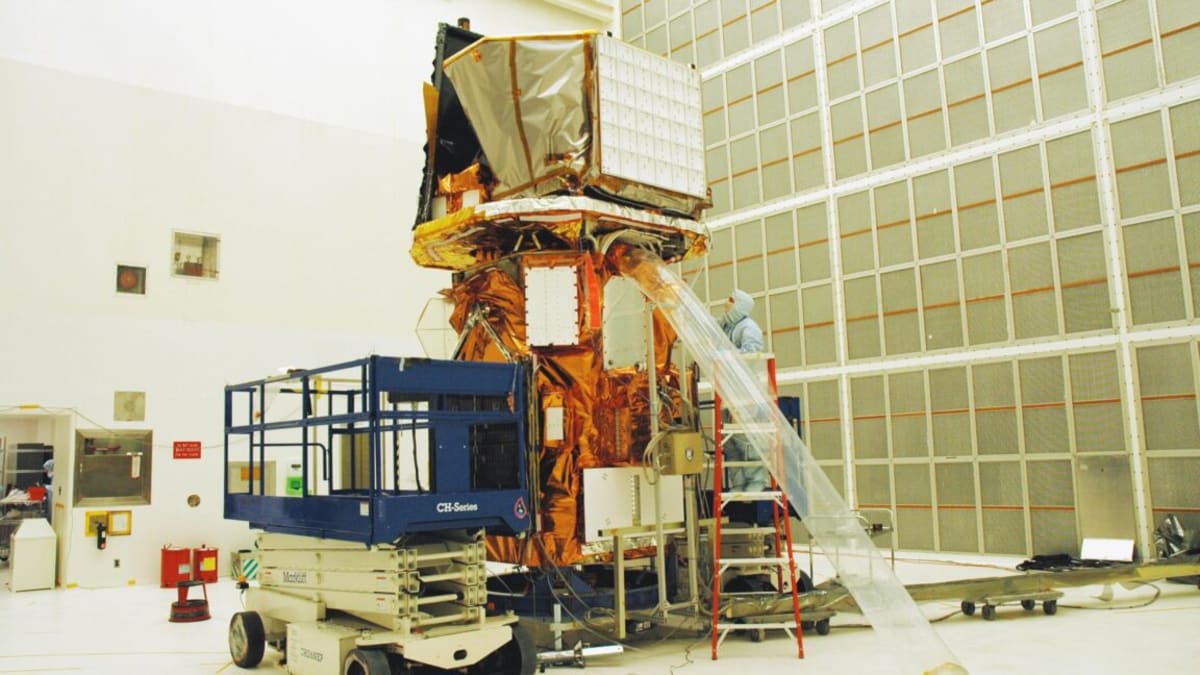
The Neil Gehrels Swift Observatory has been hunting the most powerful explosions in the universe since 2004. Despite its age, scientists still depend on Swift to detect gamma-ray bursts that happen without warning when massive stars collapse into black holes.
But Swift is slowly tumbling toward Earth, dragged down by the outer atmosphere. Without help, it will crash by year's end, taking its unique abilities with it. No other U.S. satellite can fully replace what Swift does.
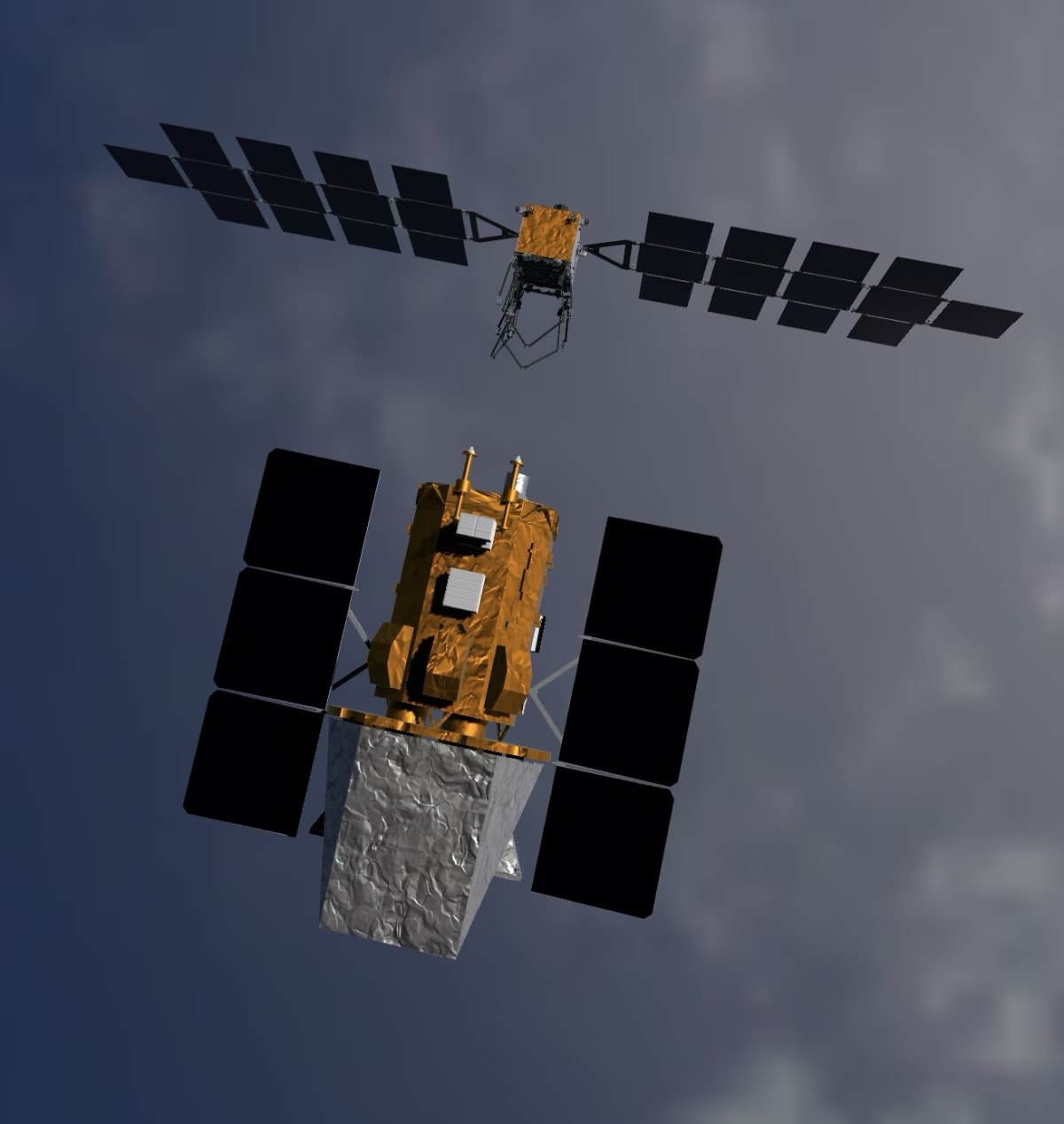
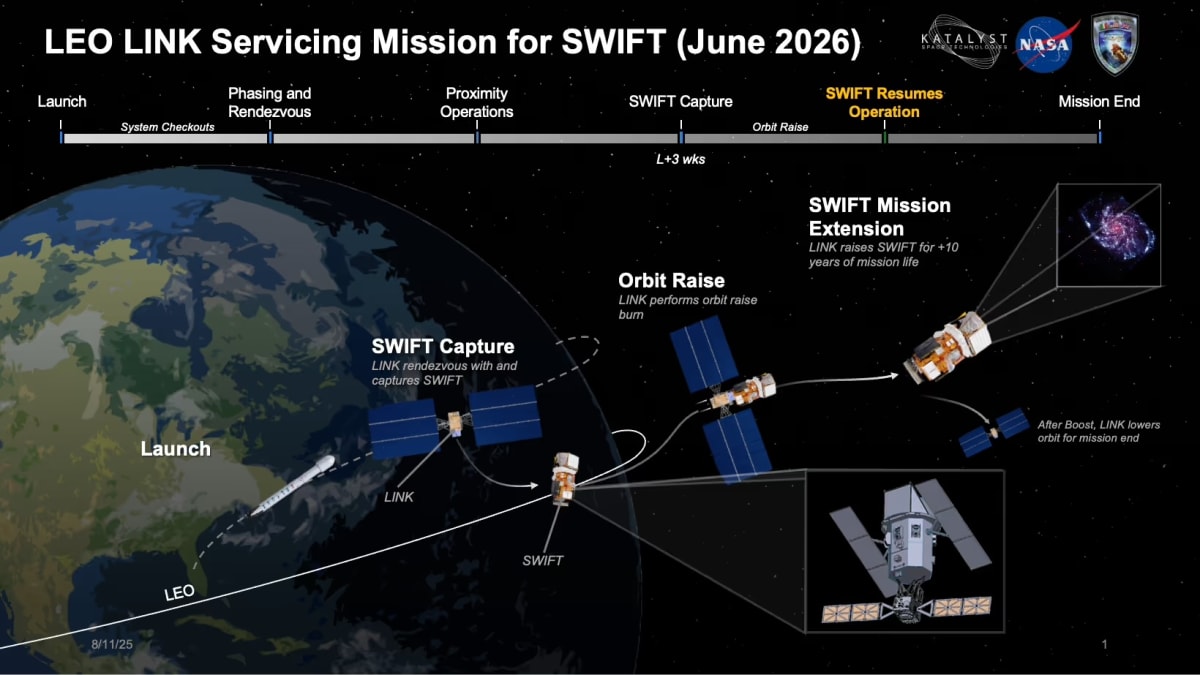
Enter Katalyst Space Technologies, a startup racing against gravity itself. Their rescue spacecraft, named Link, will attempt to dock with Swift and boost it back to a safe orbit. The catch? Swift was never designed to be captured in space.
When reporters visited Katalyst's factory in late February, the scene looked nothing like a typical NASA mission. Technicians were soldering parts and assembling solar panels just three months before launch. On traditional government projects, spacecraft might be at this stage years before liftoff.
"This is really technically ambitious," said Ghonhee Lee, Katalyst's founder. The company is working nights and weekends with about 40 employees, all within yelling distance on the factory floor. When suppliers couldn't deliver parts fast enough, Katalyst simply built them in-house.
The deadline is brutal. Launch is scheduled for June 1st, and by late summer, Swift will drop below 200 miles altitude. At that point, the risk becomes too high to attempt docking two large spacecraft in the thickening atmosphere.
Why This Inspires
NASA spent $1.5 billion on a previous satellite servicing project that never left the ground. Now they're trying something radically different: trusting a small company to move fast and accept risk. It's the same approach that revolutionized cargo delivery to the International Space Station.
The mission isn't guaranteed to succeed. But that's precisely the point. By accepting uncertainty and embracing speed, NASA is betting that innovation happens when you give talented teams tight budgets and tighter deadlines.
If Katalyst pulls this off, it proves we don't need billion-dollar budgets to rescue aging satellites. Dozens of valuable spacecraft could get second lives, extending their scientific missions and reducing space junk.
The Swift observatory has already delivered 21 years of groundbreaking discoveries, but its best work might still be ahead if this audacious rescue succeeds.
More Images

Based on reporting by Ars Technica Science
This story was written by BrightWire based on verified news reports.
Spread the positivity!
Share this good news with someone who needs it