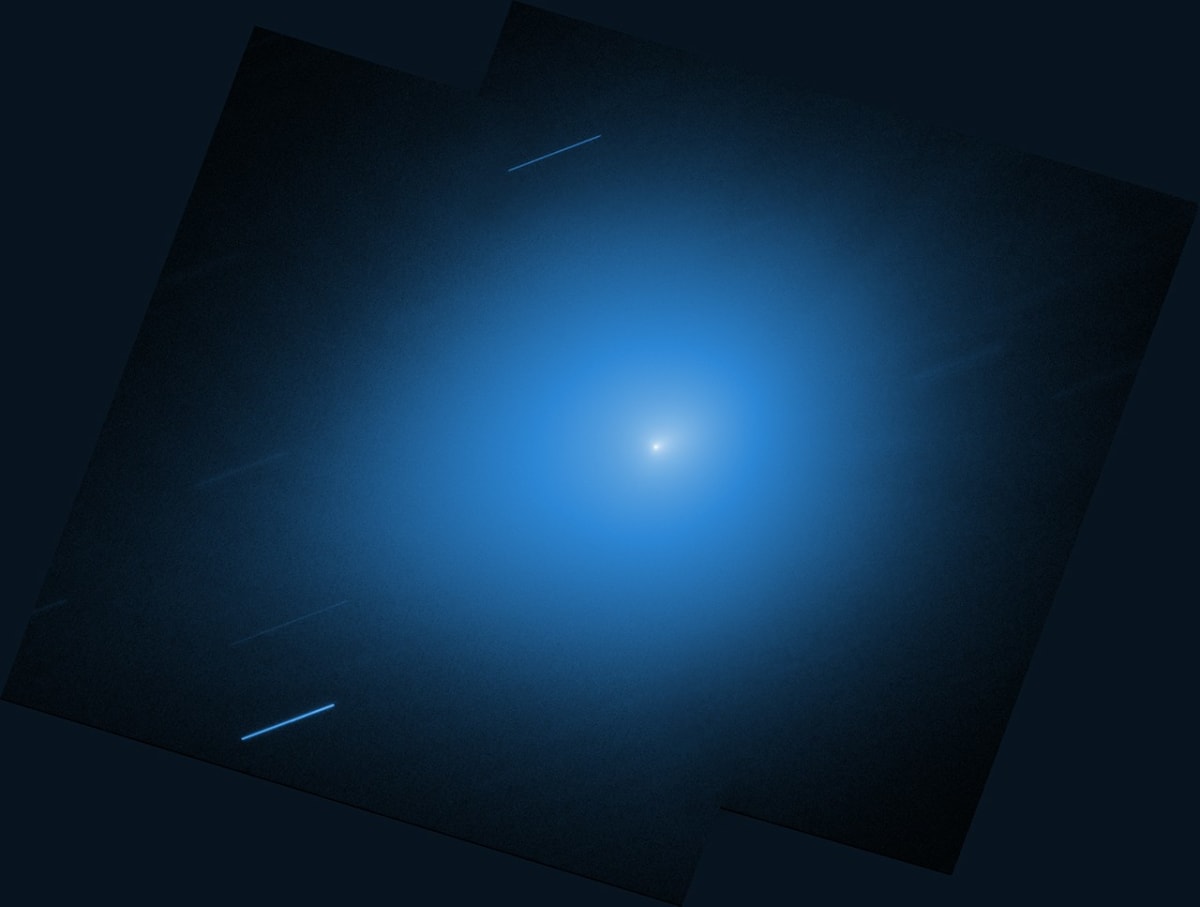
NASA's Free Comet Data Opens New Window to the Universe
A visitor from beyond our solar system is leaving behind a treasure trove of scientific data that anyone can access for free. NASA tracked interstellar comet 3I/ATLAS with more than a dozen missions, and every observation is now publicly available to power tomorrow's discoveries.
An icy traveler from another star system just gave humanity an unprecedented gift: the most detailed dataset ever collected of an interstellar visitor passing through our cosmic neighborhood.
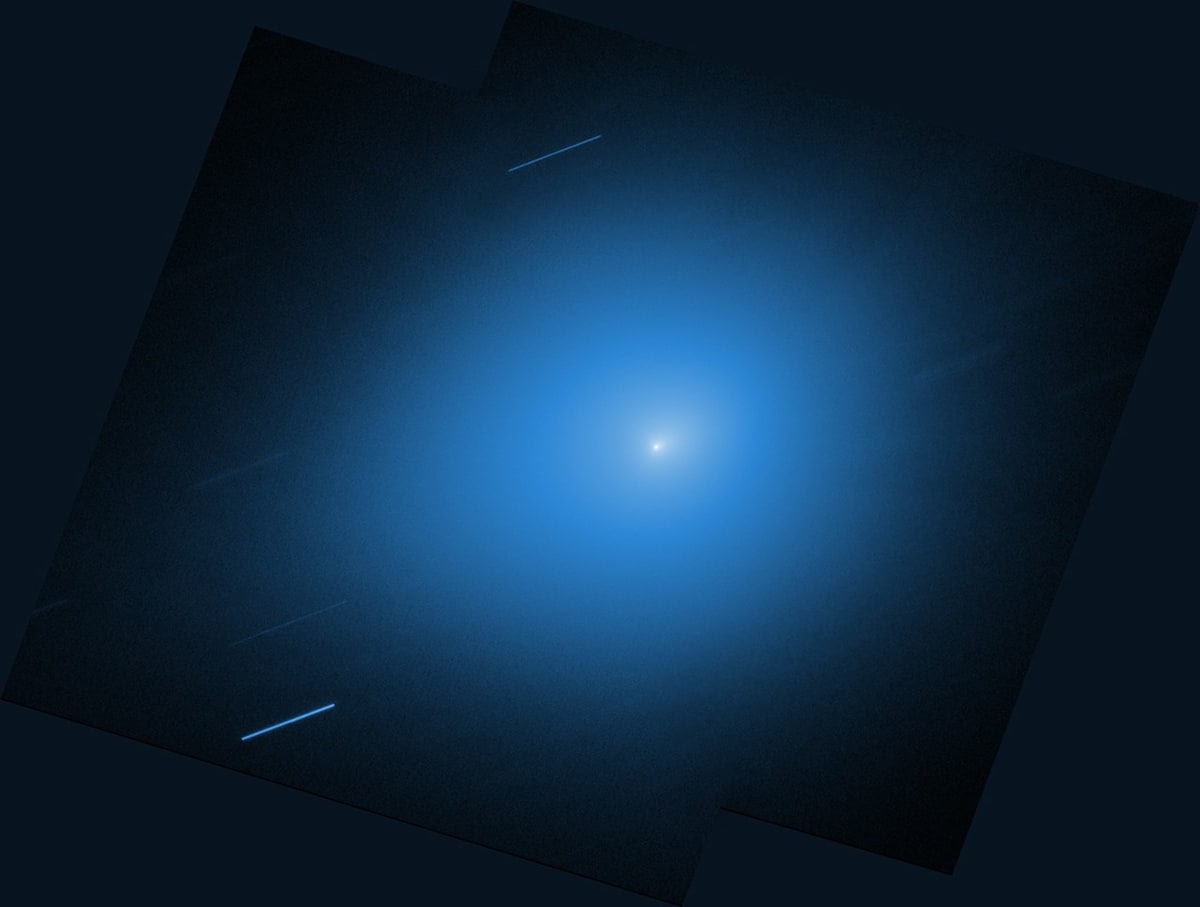
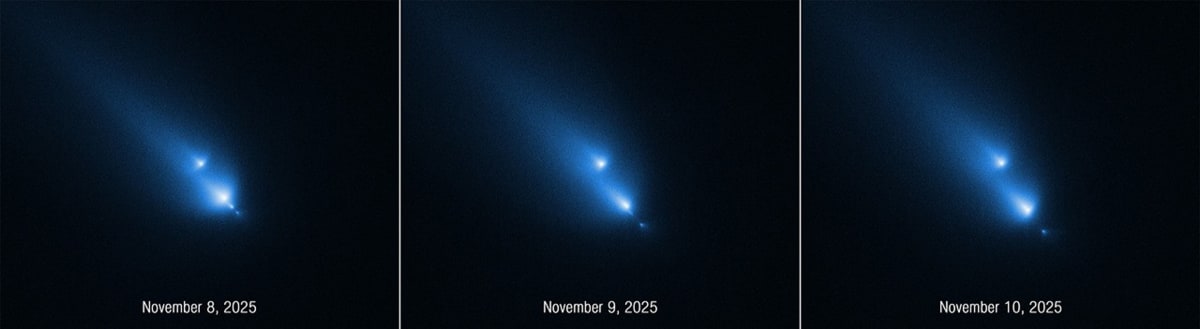
Comet 3I/ATLAS, only the third known object to visit us from beyond the solar system, was spotted by a NASA-funded telescope in Chile on July 1, 2025. But here's the exciting part: more than a dozen NASA missions turned their instruments toward this rare visitor, and every bit of data they collected is now free for anyone to explore.
The comet has already left our solar system, never to return. But the observations will live on forever in NASA's public archives, ready to fuel discoveries we haven't even imagined yet.
Scientists got a head start thanks to NASA's open data approach. Researchers searching through archived images from TESS, a planet-hunting satellite, discovered the comet had actually been photographed back in May 2025, two months before its official discovery. That early sighting helped astronomers better understand where the comet came from and where it was headed.
The real magic happened when researchers started combining data from different missions. By merging observations from the MAVEN Mars orbiter, the James Webb Space Telescope, and the SPHEREx mission, scientists discovered something surprising: this interstellar comet produces water, carbon dioxide, and carbon monoxide at different rates than comets born in our own solar system.
That finding hints at different conditions in the distant star system where 3I/ATLAS formed billions of years ago. It's like getting a postcard from another corner of the galaxy.
The Ripple Effect
NASA's commitment to open science means the impact of these observations extends far beyond one comet. The agency structures all its planetary data in the same format and develops tools that work across multiple missions, making it easier for researchers anywhere in the world to make connections others might miss.
"NASA's scientific data archives are a gold mine of discoveries waiting to be made," said Kevin Murphy, the agency's chief science data officer. The early TESS observations represent just one example of insights hiding in plain sight, waiting for curious minds to find them.
Students, amateur astronomers, and professional researchers now have access to the same data that revealed the comet's unique chemistry. Anyone with internet access can explore images from Hubble, spectral readings from Webb, or trajectory data from TESS.
Future researchers will use this dataset to learn even more about how comets form in other star systems. But the bigger win is what this represents: a new era where groundbreaking space science isn't locked behind institutional walls.
The comet may be gone, but it left behind something more valuable than a fleeting glimpse: proof that when we share knowledge freely, everyone gets to be part of the next great discovery.
More Images


Based on reporting by NASA
This story was written by BrightWire based on verified news reports.
Spread the positivity!
Share this good news with someone who needs it

%3Amax_bytes(150000)%3Astrip_icc()%3Afocal(999x0%3A1001x2)%2Fmars-rover-field-073126-1e9056218dc842cdb53565a4df6cf847.jpg)