NASA's Ingenuity Helicopter Made History on Mars 5 Years Ago
Five years ago, a tiny solar-powered helicopter became the first aircraft to fly on another planet, opening new possibilities for space exploration. The little rotorcraft has now completed 25 flights, proving that aerial reconnaissance on Mars isn't just possible—it's practical.
On April 19, 2021, humanity achieved something extraordinary: controlled flight on another world.
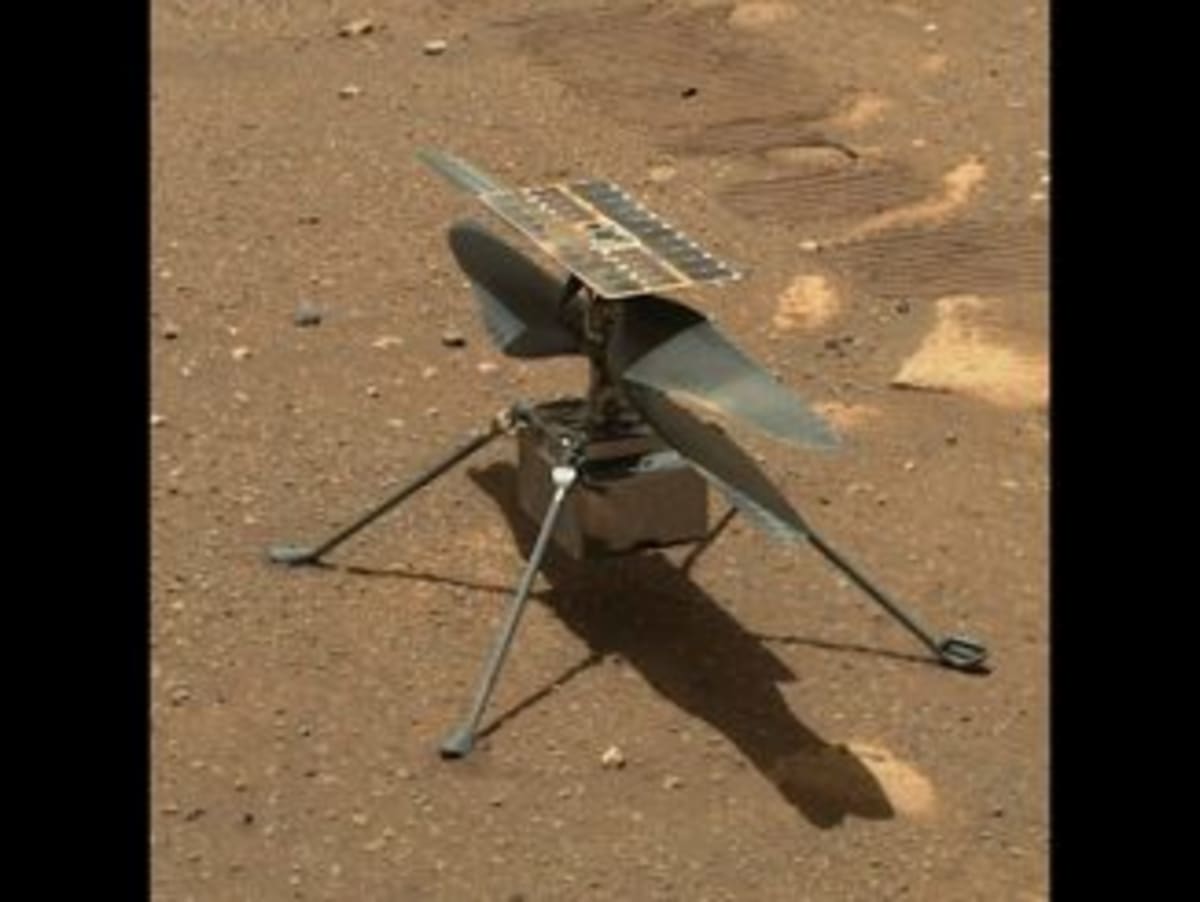
NASA's Ingenuity helicopter lifted off from the Martian surface for just 39 seconds, but that brief hover changed everything we thought possible about exploring other planets. The solar-powered aircraft, no bigger than a tissue box, proved that despite Mars' thin atmosphere and harsh conditions, we could fly there.
Ingenuity arrived on Mars tucked under the belly of the Perseverance rover. After separating from its protective housing, the little helicopter had to survive freezing nights that dropped to minus 130 degrees Fahrenheit. Engineers back on Earth held their breath as they waited for the first flight data to arrive.
The success was even sweeter because it happened during one of Earth's darkest moments—the height of the Delta-variant COVID wave. Suddenly, people had something hopeful to celebrate together.
But Ingenuity didn't stop at one historic flight. Originally designed for just five test flights over 30 days, the helicopter has now completed 25 missions. It's been scouting terrain for Perseverance, gathering crucial data on wind speeds and air density, and sending back stunning photographs from 33 feet above the Red Planet.
The data Ingenuity collected is already shaping the future. Engineers now have real-world information about how to design aircraft for Mars' unique conditions. Future missions could include larger helicopters or drones that scout ahead for rovers, explore steep terrain, or even help astronauts navigate the surface.
Why This Inspires
Just like drones have become essential tools for exploration and rescue missions on Earth, aerial vehicles will be critical for Mars exploration. What seemed impossible just five years ago is now routine. Ingenuity proved that with creativity and persistence, we can adapt Earth technology to work on completely alien worlds.
The little helicopter that could is still flying today, far exceeding every expectation set for it. Each flight brings us one step closer to becoming a species that calls multiple worlds home.
More Images


Based on reporting by Good News Network
This story was written by BrightWire based on verified news reports.
Spread the positivity!
Share this good news with someone who needs it