NASA's Juno Discovers Jupiter Lightning 100x Earth's Power
While NASA weighs budget cuts, the Juno spacecraft continues making stunning discoveries at Jupiter, including lightning storms 100 times more powerful than anything on Earth. The mission's uncertain future highlights a growing challenge in space exploration.
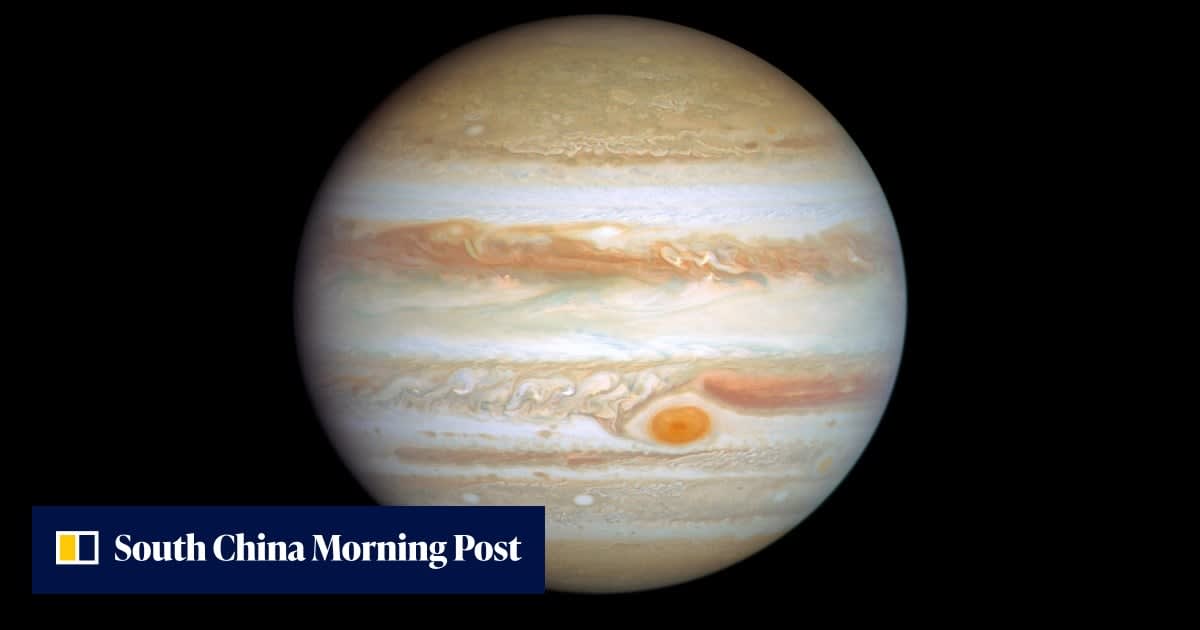
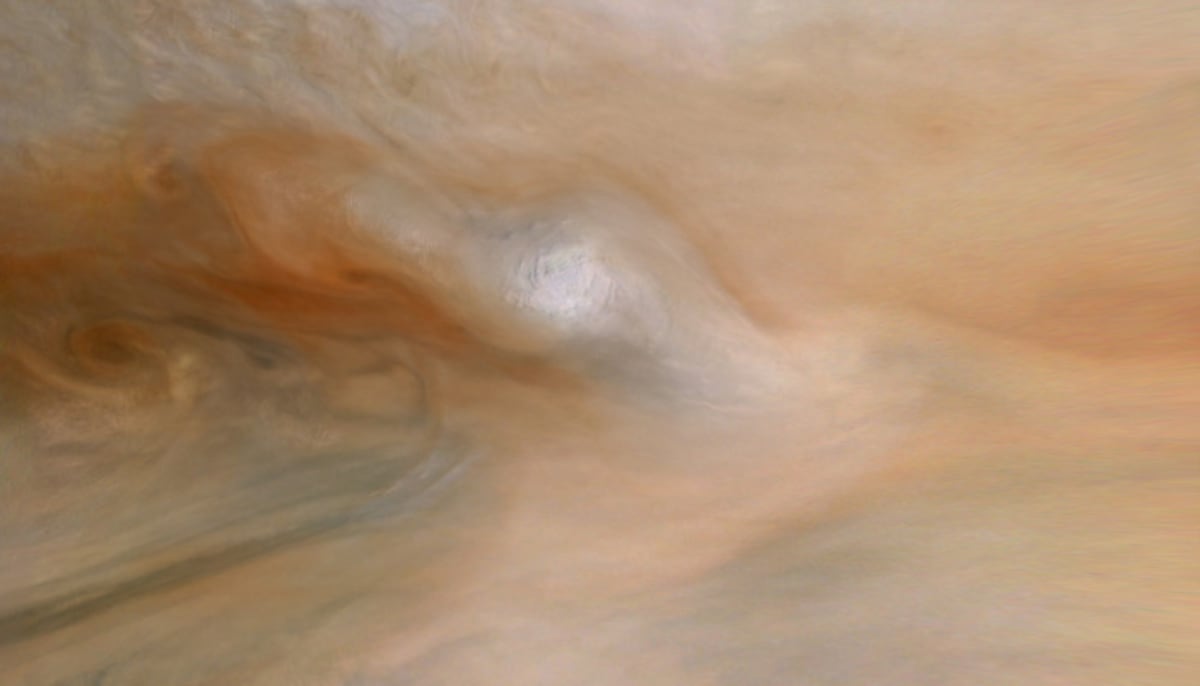
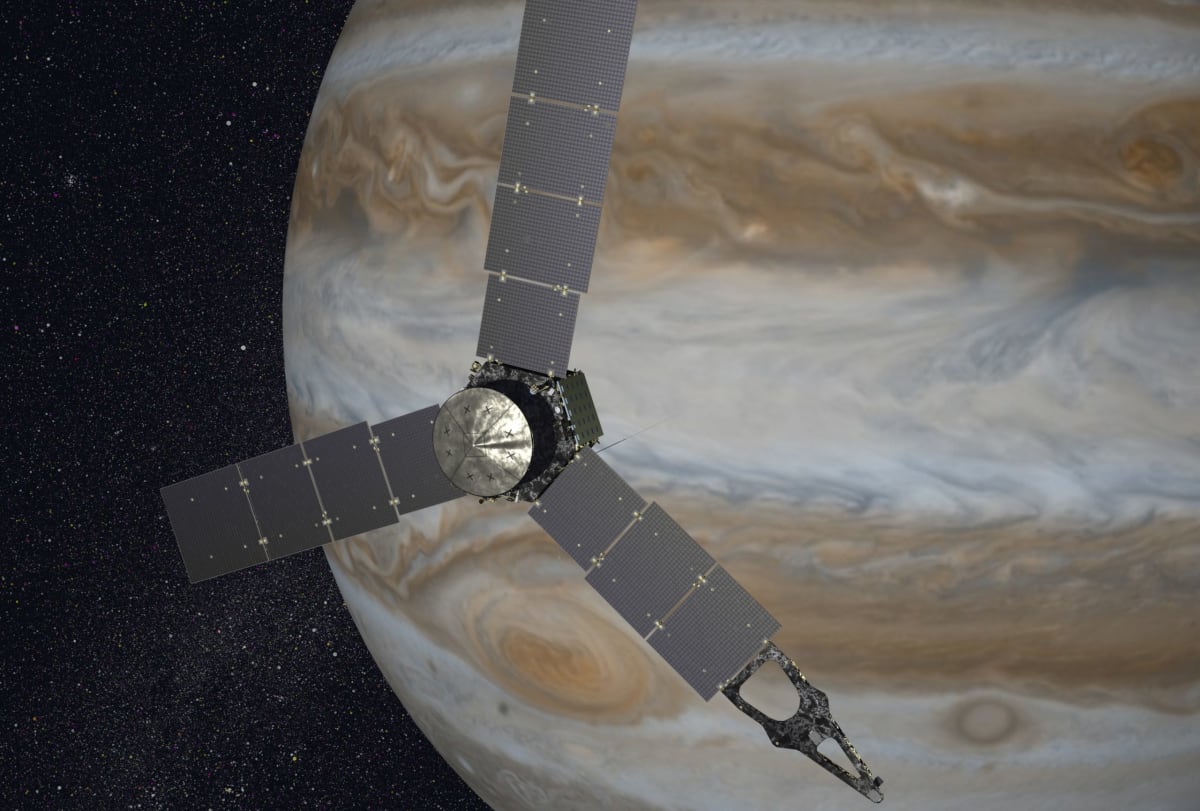
Jupiter just showed us something incredible. NASA's Juno spacecraft has discovered that lightning in the giant planet's colossal storms flashes with at least 100 times more power than any lightning bolt on Earth.
Scientists published these findings in March after analyzing data Juno collected in 2021 and 2022. The spacecraft remains in excellent health and continues sending back fascinating observations from humanity's largest planetary neighbor.
But here's the twist: Juno's future hangs in the balance. NASA officials haven't decided whether to fund another mission extension, even though the probe keeps delivering groundbreaking science.
The issue comes down to money. Last year, the Trump administration asked leaders of Juno and more than a dozen other robotic missions to submit plans for shutting down their spacecraft. Congress rejected most of the proposed cuts, but NASA's planetary science budget still dropped by $220 million this year.
"We can't quite afford to support everything that we have done in the past," said Louise Prockter, director of NASA's planetary science division, during a meeting this week. The agency now faces tough choices about which missions to keep running.
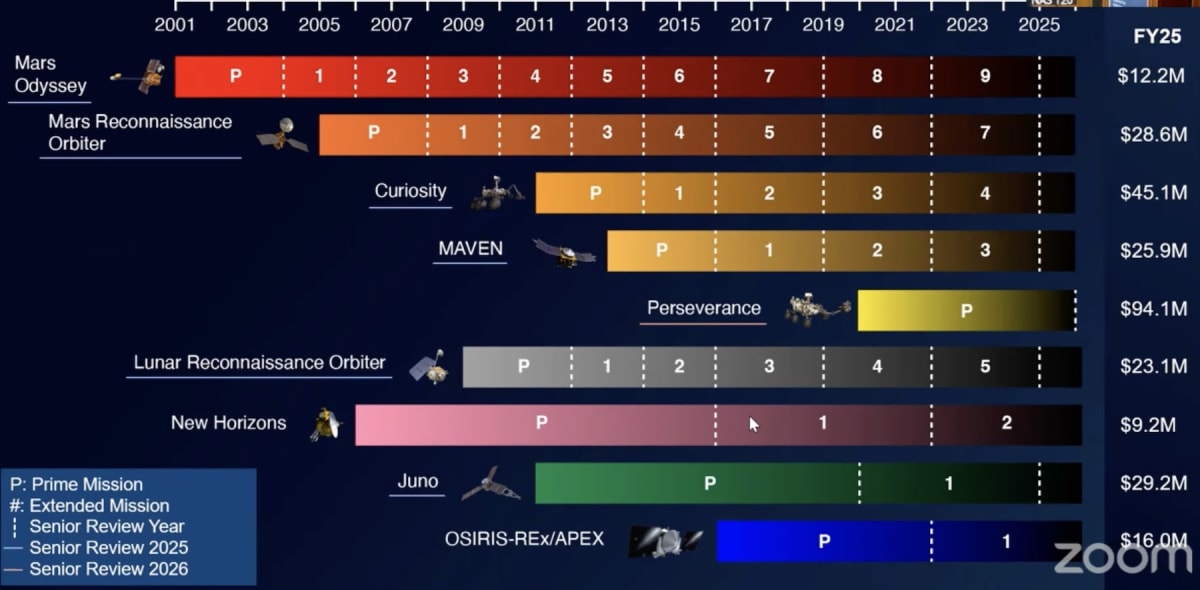
Juno isn't alone in limbo. Four Mars missions also await decisions, including the Mars Reconnaissance Orbiter and the beloved Curiosity rover. These aging spacecraft still rank highly for science but cost about $260 million annually to operate, roughly 10 percent of NASA's planetary science budget.
It's unusual for NASA to turn off a healthy spacecraft that still has fuel and produces valuable data. All of these missions passed independent scientific review with flying colors.
Why This Inspires
Despite the uncertainty, Juno's latest discovery reminds us why space exploration matters. Every day this spacecraft spends at Jupiter reveals secrets about how giant planets work, including storms that dwarf anything we experience on Earth.
The good news? Several missions have already received approval to continue. NASA's OSIRIS-APEX probe, which delivered asteroid samples to Earth in 2023, will chase down another space rock in 2029. The Lunar Reconnaissance Orbiter secured three more years of funding.
NASA must balance keeping successful missions alive against launching new spacecraft with fresh technologies and scientific goals. When the agency says yes to one mission, it means saying no to something else.
The decision on Juno and the Mars missions will come when NASA submits its annual operating plan to Congress. Scientists and space enthusiasts around the world are watching closely, hoping these productive explorers get to keep doing what they do best.
For now, Juno continues its dance around Jupiter, capturing data on alien lightning storms and proving that sometimes the best discoveries come from missions we've already paid for.
More Images


Based on reporting by Ars Technica Science
This story was written by BrightWire based on verified news reports.
Spread the positivity!
Share this good news with someone who needs it