NASA's Juno Finds Jupiter Lightning 100x Stronger Than Earth's
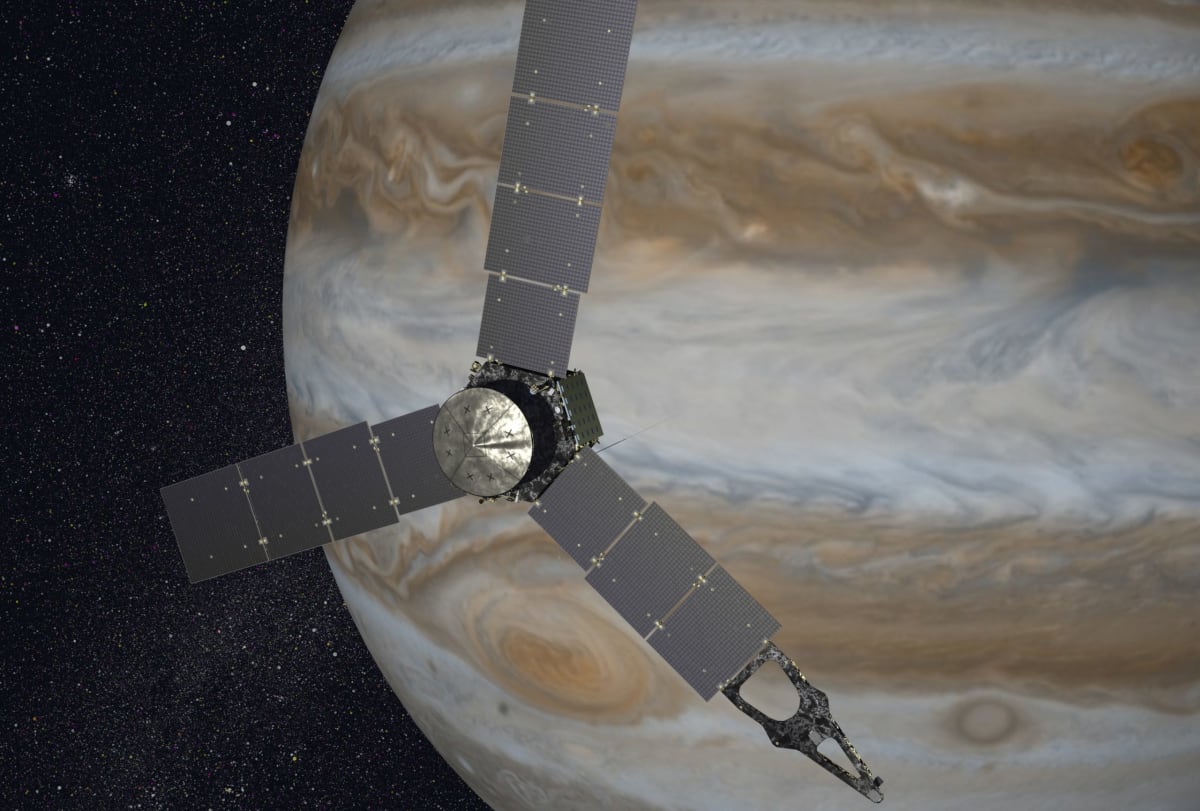
NASA's Juno spacecraft just discovered Jupiter's lightning strikes are at least 100 times more powerful than anything on Earth. The finding proves aging space missions still deliver groundbreaking science worth celebrating.
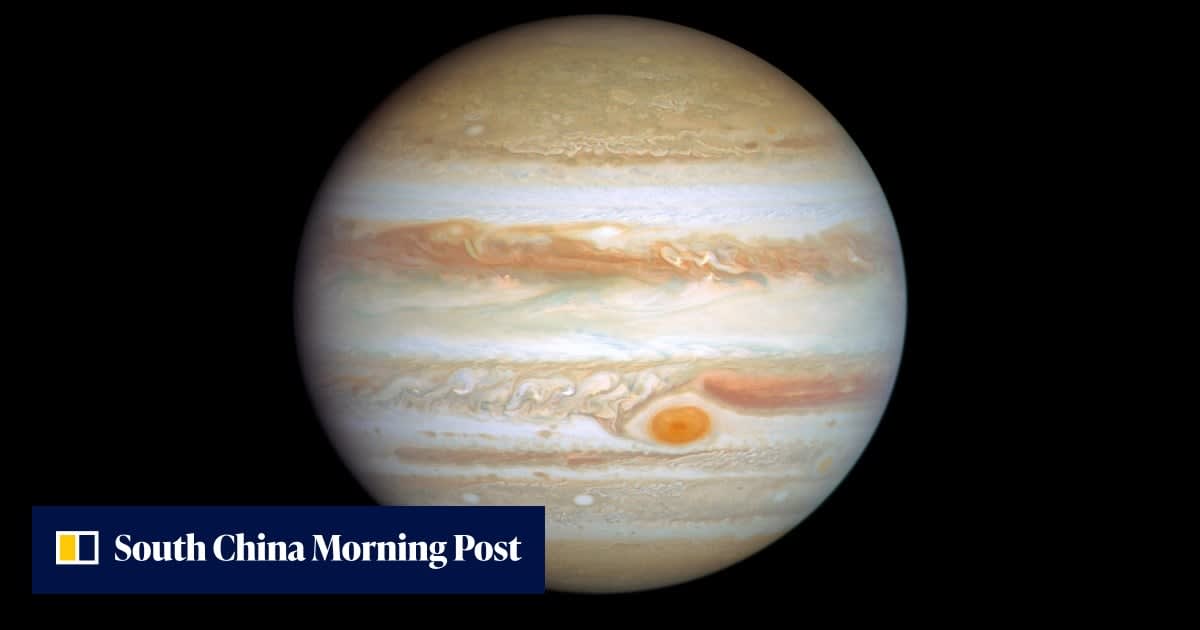
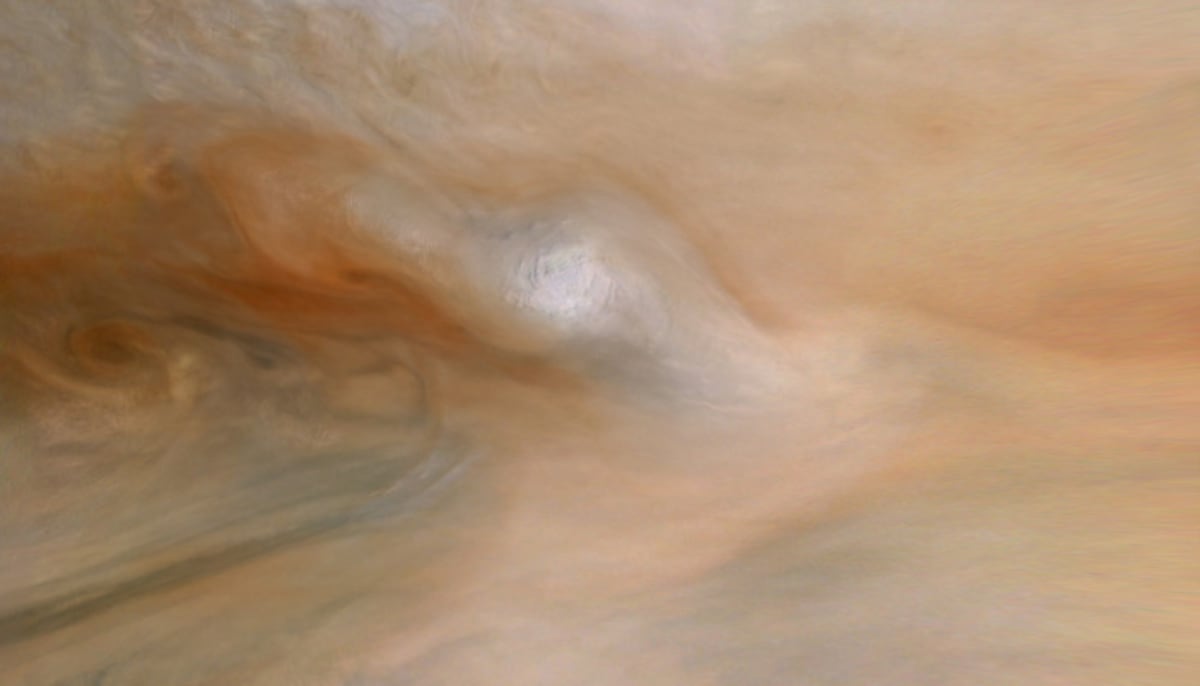
Scientists analyzing data from NASA's Juno spacecraft just confirmed something incredible: Jupiter's massive storms generate lightning flashes at least 100 times more powerful than any bolt on Earth.
The discovery, published in March in AGU Advances journal, came from data Juno recorded in 2021 and 2022 during an extended mission. The spacecraft completed its original five-year science campaign and has kept going strong ever since.
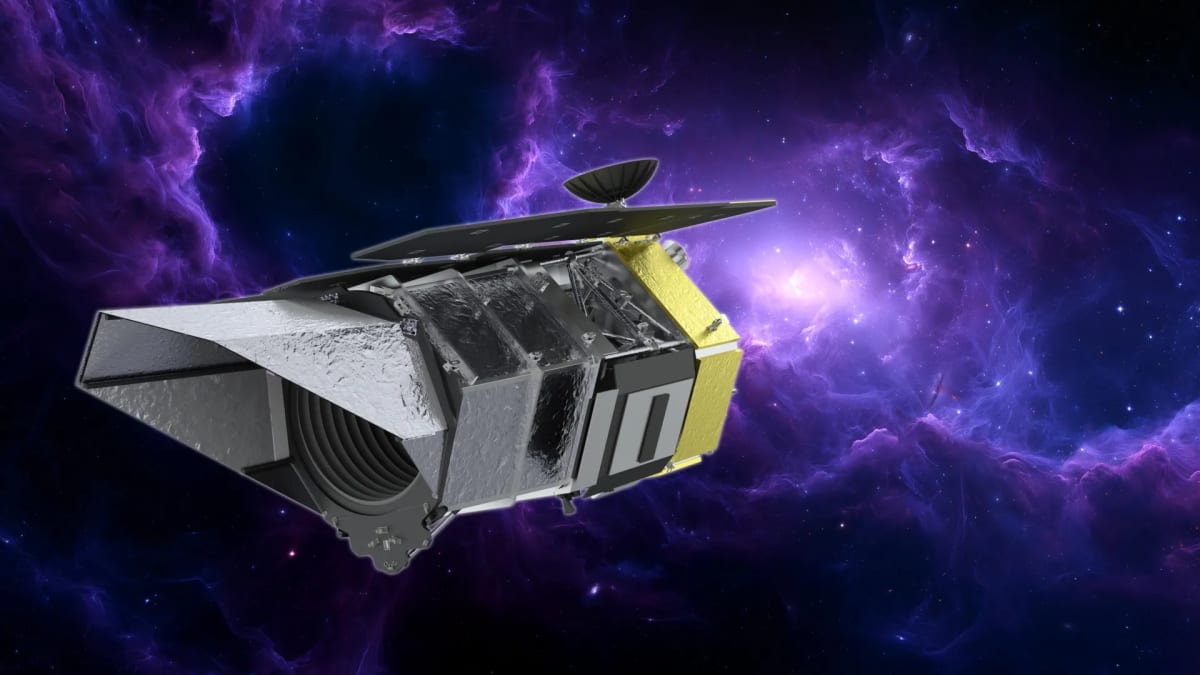
Juno remains humanity's only active spacecraft operating between Jupiter and Pluto right now. It's healthy, functional, and clearly still making major scientific discoveries about our solar system's largest planet.
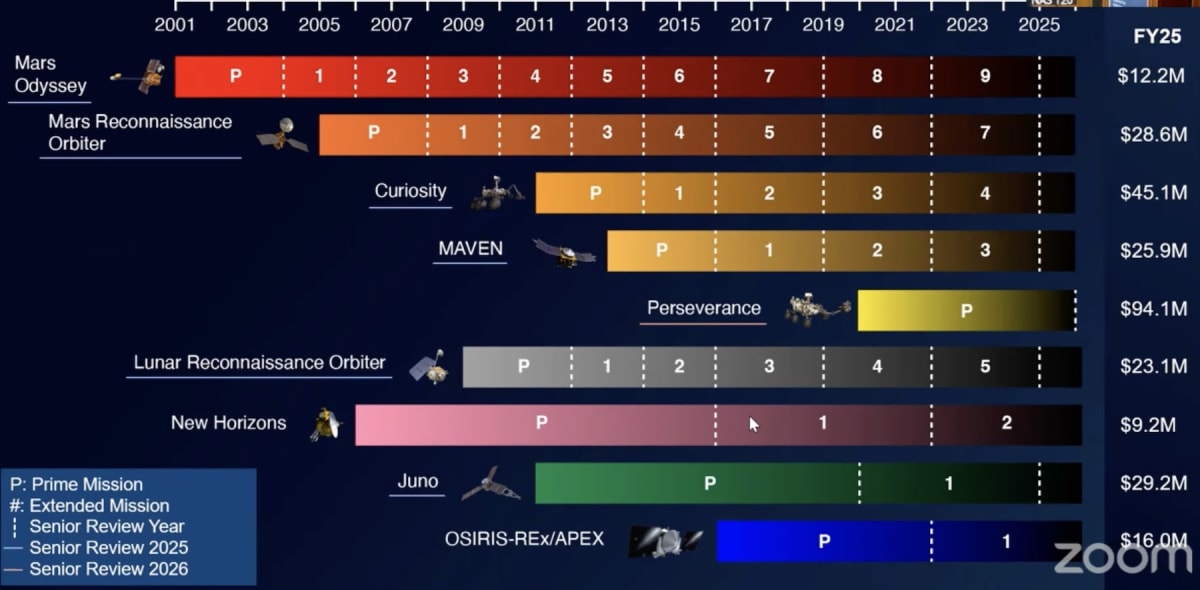
The spacecraft's future hung in the balance for nearly a year after budget discussions threatened its operations. NASA asked mission leaders to submit plans for shutting down Juno and more than a dozen other robotic science missions.
Congress ultimately rejected most of the proposed cuts. Lawmakers approved $2.54 billion for NASA's planetary science division for 2026, far above initial White House requests, though slightly less than last year's funding.
The Bright Side
The budget situation sparked an important conversation about balancing aging missions with new exploration. Some extended missions have already received approval to continue their groundbreaking work.
OSIRIS-APEX, which brought asteroid samples back to Earth in 2023, got the green light to chase down another asteroid in 2029. NASA's Lunar Reconnaissance Orbiter, the agency's only active spacecraft at the Moon, received funding for at least three more years.
Louise Prockter, director of NASA's planetary science division, confirmed that all missions awaiting decisions "ranked highly for science" by independent reviewers. These aging spacecraft still deliver exceptional value, even as NASA balances funding between proven missions and exciting new projects.
The extended missions cost about 10 percent of NASA's planetary science budget, roughly $260 million in 2025. That investment continues yielding discoveries like Juno's stunning lightning findings that reshape our understanding of planetary weather systems.
While NASA hasn't announced Juno's final fate yet, the spacecraft keeps proving its worth with every data transmission from Jupiter's orbit.
More Images


Based on reporting by Google News - Science
This story was written by BrightWire based on verified news reports.
Spread the positivity!
Share this good news with someone who needs it