NASA's Moon Mission Gets Powerful New Communication Networks
Four astronauts heading around the Moon in NASA's Artemis II mission will stay connected through two powerful communication networks spanning Earth and deep space. The technology ensures crews can talk to mission control, share images and video, and make calls home from thousands of miles away.
Imagine being thousands of miles from Earth and still being able to video call your family or send back stunning photos of the Moon.
NASA's Artemis II mission is making that possible for four astronauts who will soon journey around the Moon. The mission marks a major step toward eventually sending humans to Mars, and it relies on two sophisticated communication systems to keep the crew connected every moment of their journey.
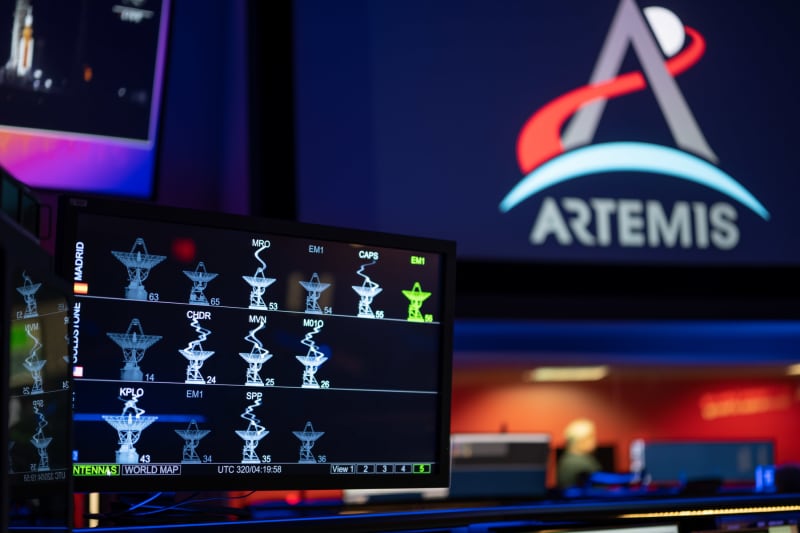
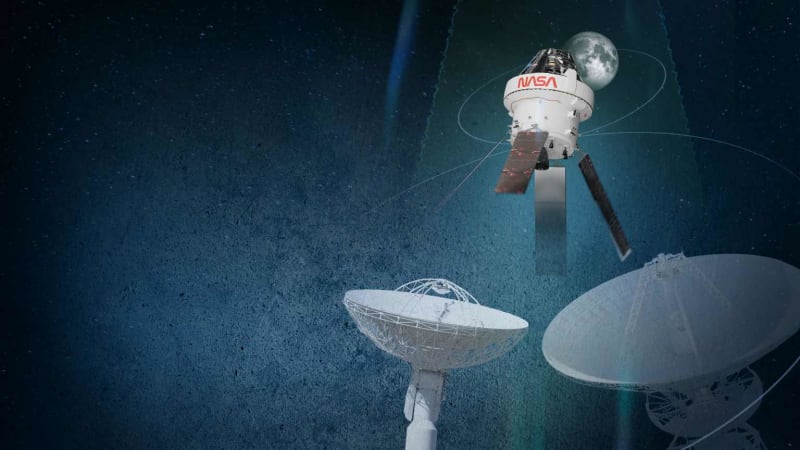
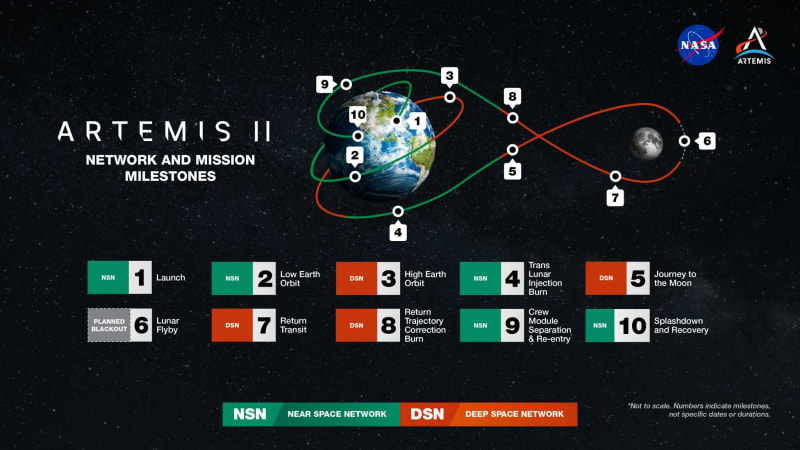
The Near Space Network and Deep Space Network work together like a cosmic relay team. Ground stations around the globe and a fleet of satellites track the Orion spacecraft from launch through its return home, ensuring seamless handoffs as the crew travels farther from Earth.
"Robust space communications aren't optional," said Ken Bowersox, associate administrator for NASA's Space Operations Mission Directorate. He learned this firsthand living aboard the International Space Station, where communication systems enabled everything from technical conversations to emotional calls with loved ones.
The Near Space Network handles communications during launch and near-Earth operations, managed by NASA's Goddard Space Flight Center in Maryland. Once the spacecraft completes its translunar injection burn and heads toward the Moon, the Deep Space Network takes over with giant radio antennas in California, Spain, and Australia providing nearly continuous connection.
Mission Control in Houston will receive vital information including astronaut communications, health and safety data, images, and video. The spacecraft will also test the Orion Artemis II Optical Communications System, a new laser communication technology that could revolutionize how we send data from deep space.
The Ripple Effect
This communication infrastructure does more than connect four astronauts to Earth. It sets the foundation for humanity's long-term presence in space, enabling future missions to Mars and beyond.
The technology developed for Artemis builds on decades of NASA experience supporting human spaceflight. Commercial partners are also contributing to these advances, expanding capabilities and making space communications more resilient for generations of explorers to come.
As missions push farther into deep space, these reliable communication links will make increasingly ambitious exploration possible. They transform space travel from isolated ventures into shared human experiences, letting everyone on Earth participate in the excitement of discovery.
The networks ensure that no matter how far astronauts travel, they're never truly alone in the darkness of space.
More Images

Based on reporting by NASA
This story was written by BrightWire based on verified news reports.
Spread the positivity!
Share this good news with someone who needs it