NASA's Moon Missions Powered by German Camera Lenses
A German optics company's specialized lenses are helping NASA navigate back to the Moon, capturing stunning images of Earth and the lunar far side. The technology proves that precision engineering is turning decades-old dreams of lunar exploration into reality.
When NASA's Orion spacecraft photographs the Moon, it's seeing through lenses originally designed in a German workshop known for over a century of optical precision.
Schneider-Kreuznach, a German optics manufacturer, created custom camera lenses that help guide NASA's Artemis missions to the Moon and back. The specially adapted Tourmaline 2.0/35 C lenses sit inside Orion's optical navigation camera system, where they've already proven themselves on multiple missions.
These aren't ordinary camera lenses. Engineers modified them to survive the brutal conditions of spaceflight: violent vibrations during launch, extreme temperature swings, and the complete vacuum of space. Paired with a high-resolution monochrome sensor, the lenses capture images that help the spacecraft navigate through the darkness between Earth and the Moon.
The lenses first flew on Artemis I, an uncrewed test flight that circled the Moon in 2022. They performed so well that NASA kept them for Artemis II and the upcoming Artemis III mission, which will put astronauts back on the lunar surface for the first time in over 50 years.
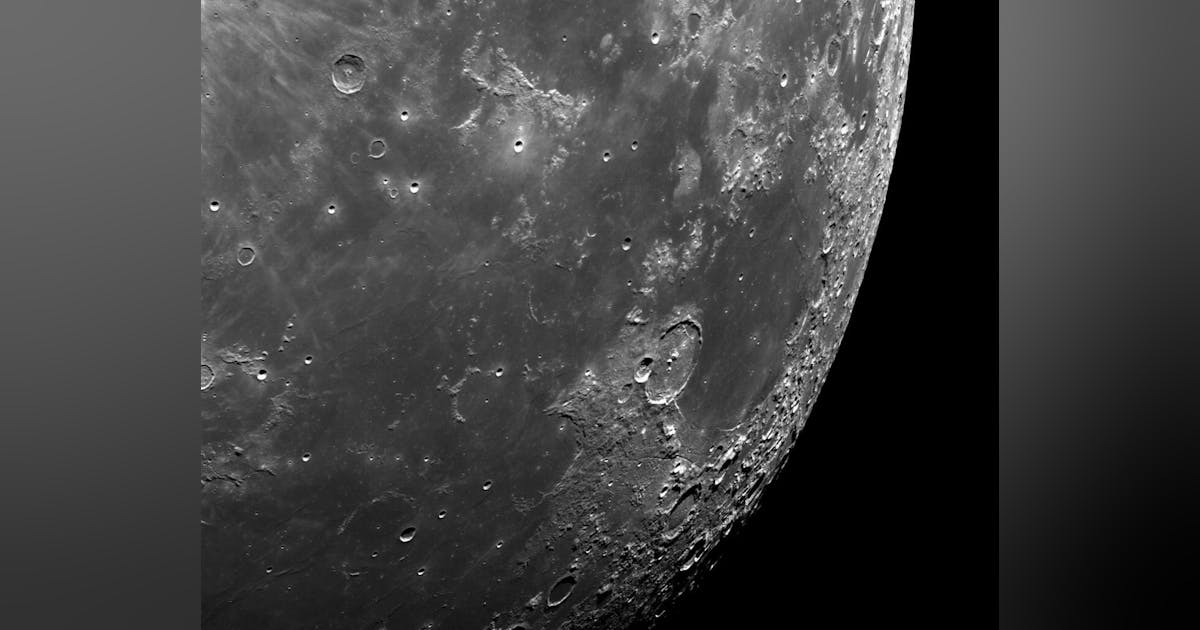
Beyond navigation, the cameras have delivered something unexpected: breathtaking views. The lenses have captured detailed images of Earth from deep space and rare photographs of the Moon's far side, the hemisphere we never see from our planet. These images aren't just beautiful; they provide critical data for mission analysis and planning.
The Ripple Effect
This collaboration shows how commercial partnerships are accelerating space exploration. By adapting existing high-performance technology rather than building everything from scratch, NASA can focus resources on the bigger challenges of returning humans to the Moon.
The success also demonstrates how seemingly earthbound industries contribute to humanity's biggest adventures. The same optical precision that goes into professional camera lenses now helps navigate spacecraft a quarter million miles from home.
Stuart Singer, CEO of Schneider Optics, said the entire company feels thrilled to contribute to this historic mission. The selection of their lenses reflects both durability and exceptional image quality, two factors that matter whether you're photographing a wedding or piloting a spacecraft.
As the Artemis program continues, these rugged lenses will keep watching over astronauts on their journey to establish a permanent human presence on the Moon. Sometimes the path to the stars is paved with the kind of meticulous craftsmanship that's been perfected right here on Earth.
Based on reporting by Google: space mission success
This story was written by BrightWire based on verified news reports.
Spread the positivity!
Share this good news with someone who needs it