NASA's Moon Return Could Solve 5 Ancient Lunar Mysteries
After 50 years, astronauts are heading back to the Moon with better tools and bigger questions. The Artemis missions could finally crack mysteries about our closest cosmic neighbor that have puzzled scientists since the Apollo era.
For half a century, scientists thought they had the Moon figured out. Then modern instruments revealed our nearest neighbor is far stranger and more complex than anyone imagined.
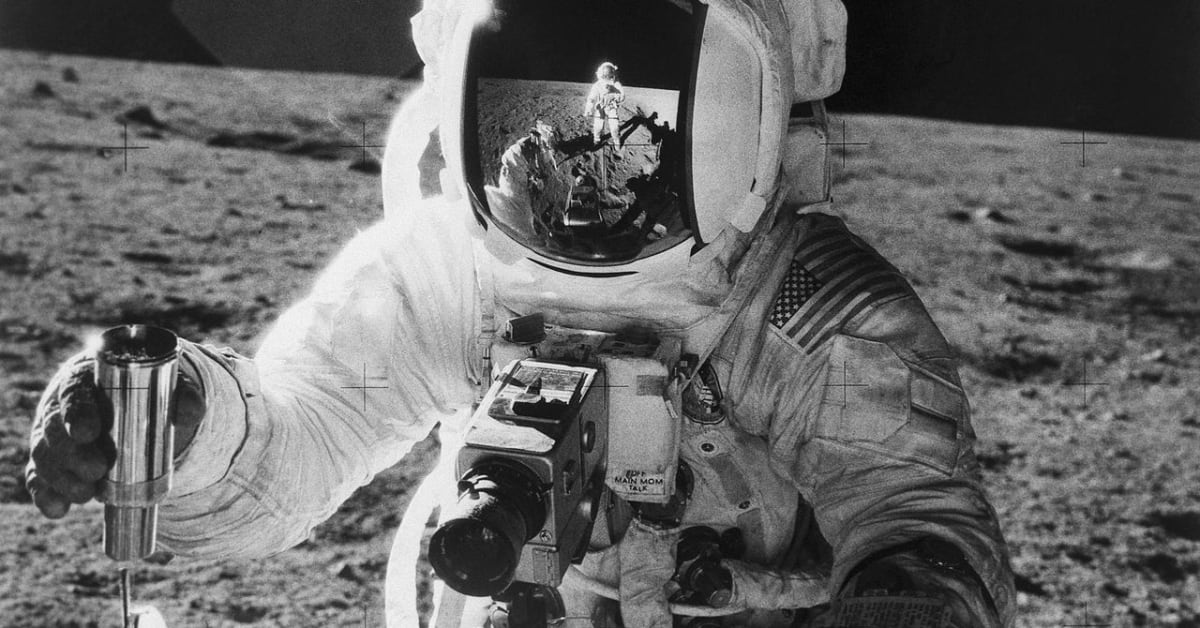
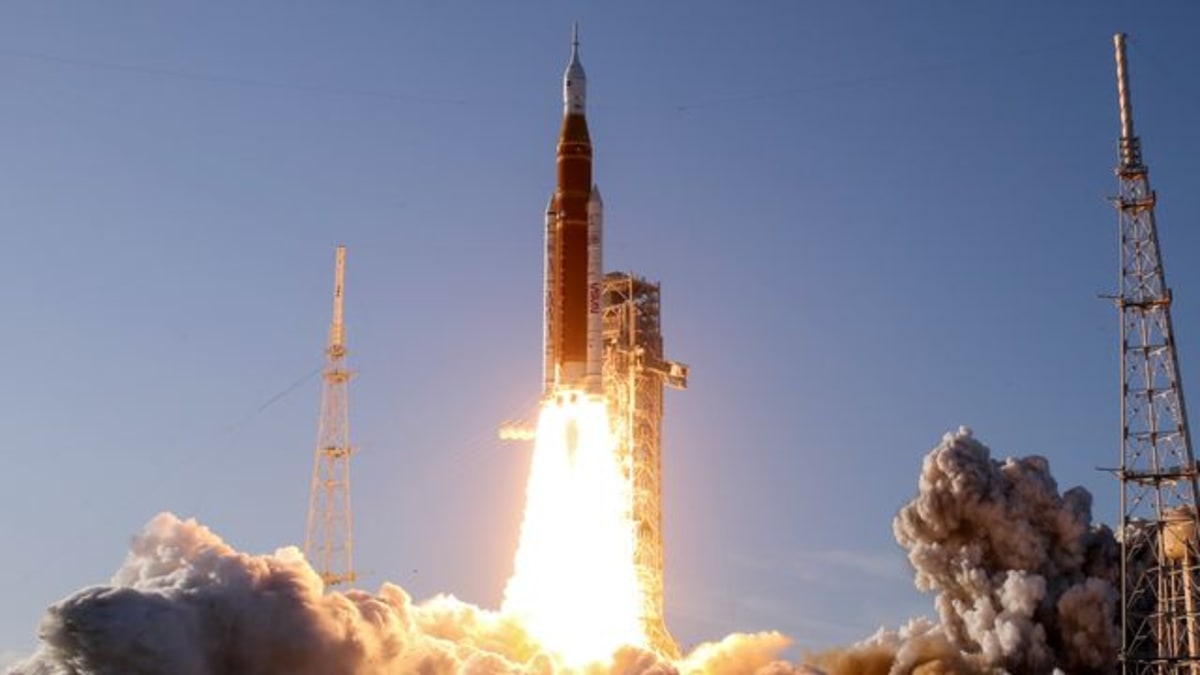
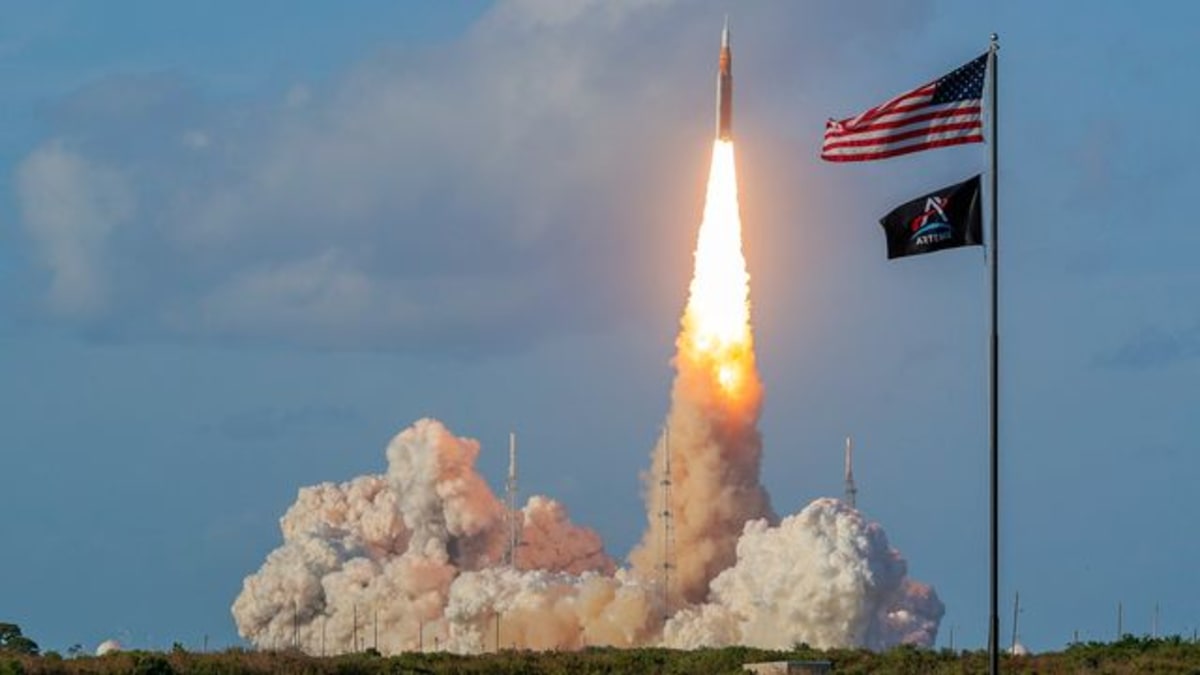
NASA's Artemis program is about to change everything. Starting with Artemis IV, astronauts will return to the lunar surface for the first time since Apollo, but this time they're staying long enough to find real answers.
The biggest mystery on the list is one we take for granted: how did the Moon even get here? Scientists believe a Mars-sized planet crashed into early Earth 4.5 billion years ago, and the debris clumped together to form our satellite. Fresh samples from deep craters could finally prove whether that wild theory is right.
Then there's water. Fifty years ago, everyone assumed the Moon was bone dry. Now we know there's ice hiding in shadowed craters at the south pole and water trapped inside surface minerals, but nobody knows how much or whether it's usable for future Moon bases.
Artemis astronauts will explore these dark craters firsthand. If they find abundant, pure ice deposits, it could be processed into oxygen and fuel for deep space missions.
The Moon's interior remains mostly unknown too. Apollo's seismometers only covered one small region, leaving scientists guessing about what's beneath the surface. A network of modern instruments across different lunar regions would reveal the size of the core, the structure of the mantle, and where residual heat still lingers.
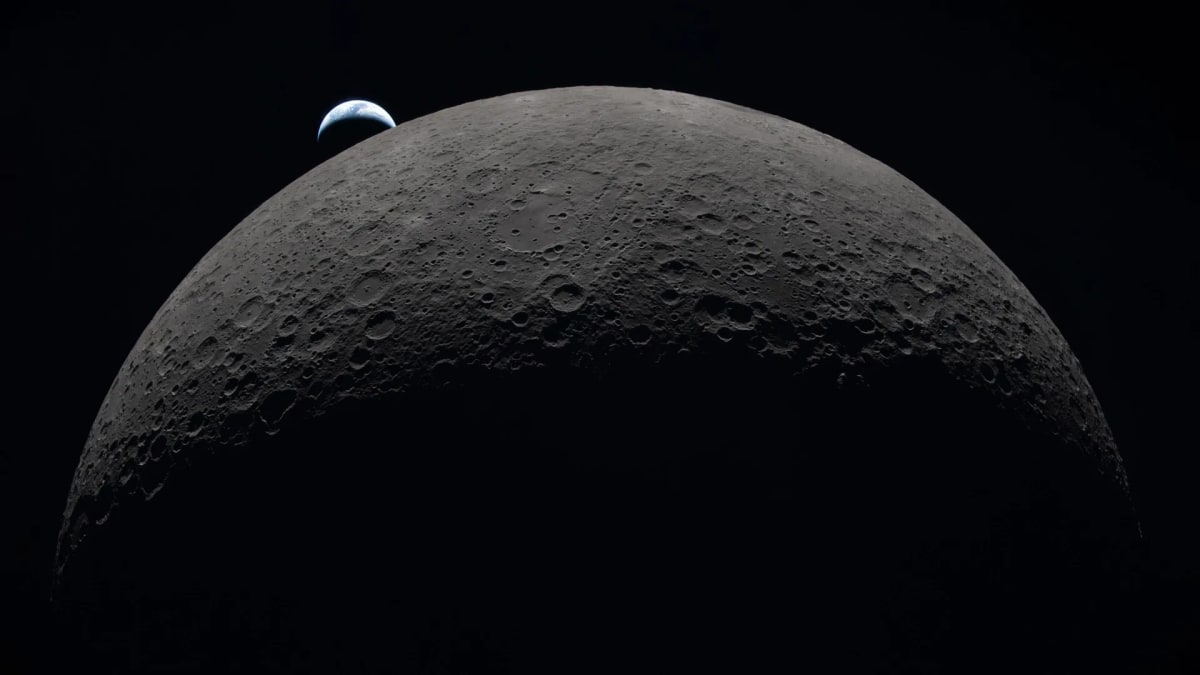
Here's a puzzler: why does the Moon's far side look so different from the near side? One half is smooth and covered in dark basaltic seas while the other is jagged and cratered. The first human expeditions to the far side could collect samples that explain this bizarre asymmetry.
Finally, there's the magnetic mystery. Apollo samples came back magnetized, suggesting the Moon once had a powerful magnetic field like Earth's. But the Moon seems too small and cold to have sustained one. New samples from diverse regions could reveal when this dynamo existed and how it worked.
The Ripple Effect
These aren't just academic puzzles. Understanding how the Moon formed helps scientists figure out how all rocky planets come together. Mapping its interior reveals how small worlds evolve over billions of years. And solving the water question determines whether the Moon becomes humanity's launchpad to Mars and beyond.
Unlike Apollo, the Moon isn't the finish line anymore. It's the training ground for everything that comes next, from deep space exploration to understanding Earth's own violent birth.
The answers won't arrive overnight, but for the first time in 50 years, we're asking the right questions in the right place with the right tools to find them.
More Images

Based on reporting by Wired
This story was written by BrightWire based on verified news reports.
Spread the positivity!
Share this good news with someone who needs it