NASA's Moon Return Could Solve Ancient Space Mysteries
The Artemis missions are turning our closest neighbor into a scientific laboratory that could reveal secrets about Earth's earliest days. With new seismometers and sensors arriving soon, scientists are finally getting the tools to answer questions that have puzzled them for decades.
After five decades away, astronauts are returning to the moon with something Apollo never had: the technology to unlock our solar system's deepest secrets.
NASA's Artemis II just sent astronauts around the moon for the first time since the 1970s. But this is only the opening act of something much bigger.
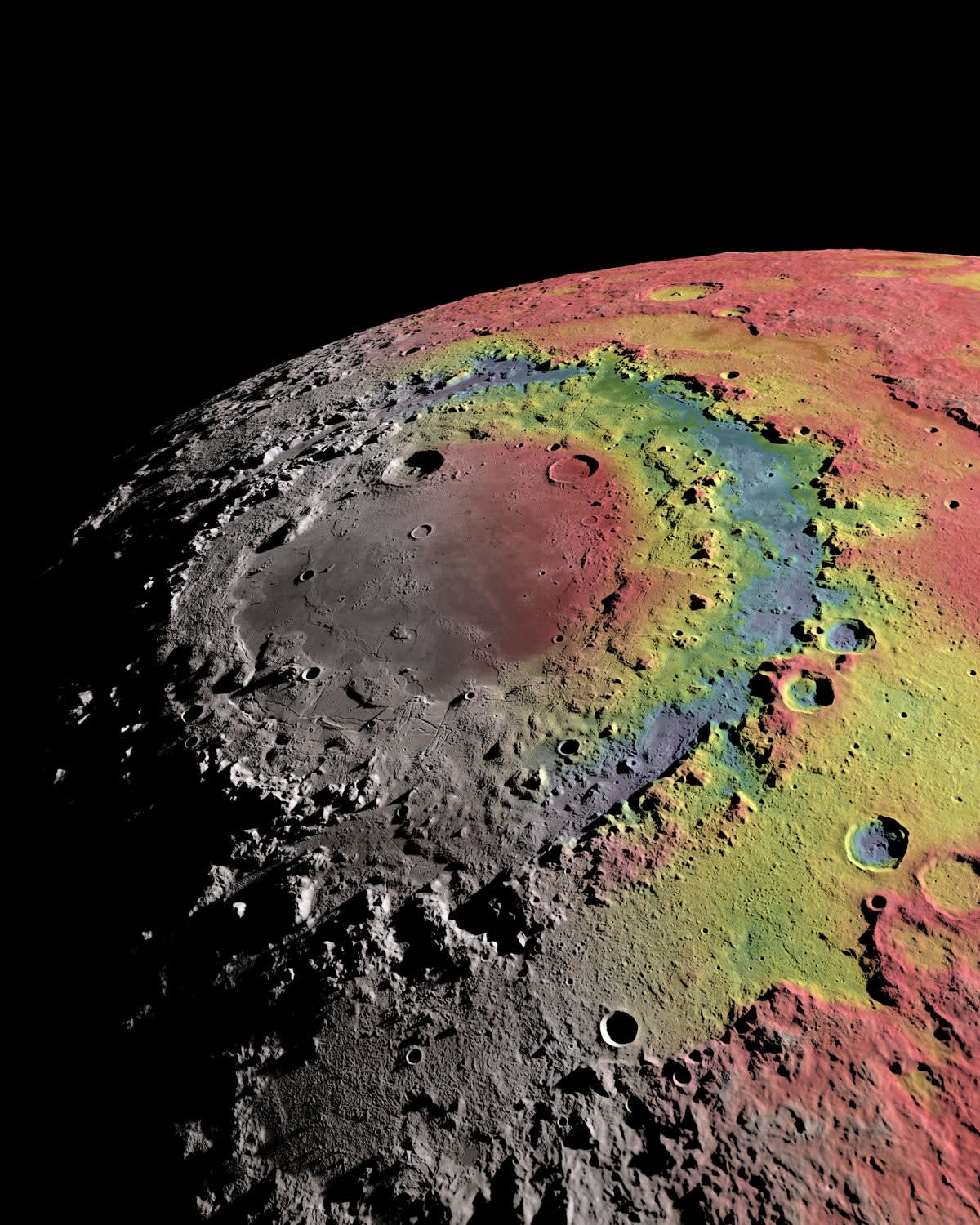
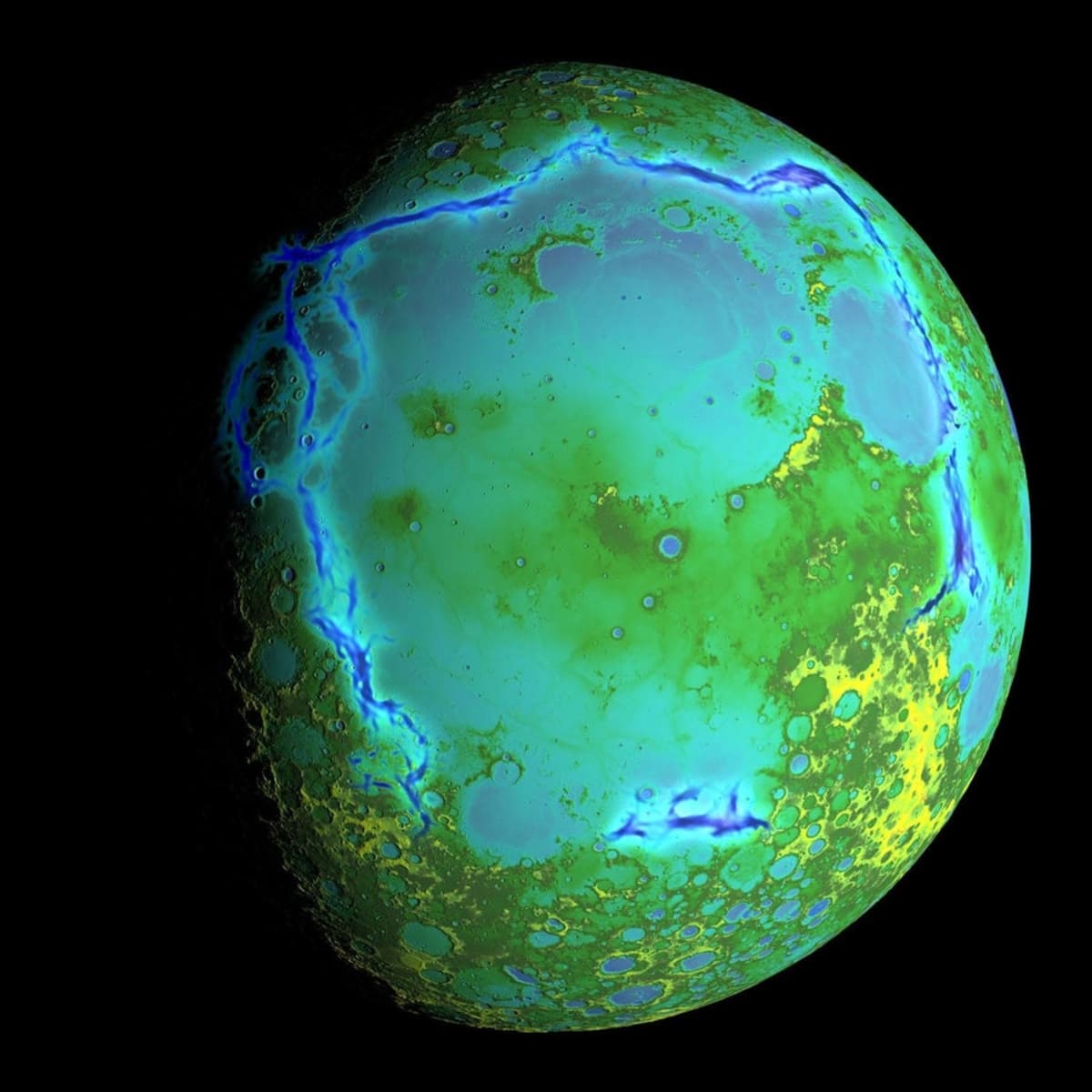
The moon holds answers that Earth can't provide anymore. Our planet's volcanoes, shifting continents, and weathering oceans have erased the geological records of its earliest days. The moon, quiet and unchanging, has preserved them perfectly.
"It's a perfect geological laboratory," says Sara Russell, a planetary scientist at London's Natural History Museum. And scientists are about to fill that laboratory with state-of-the-art equipment.
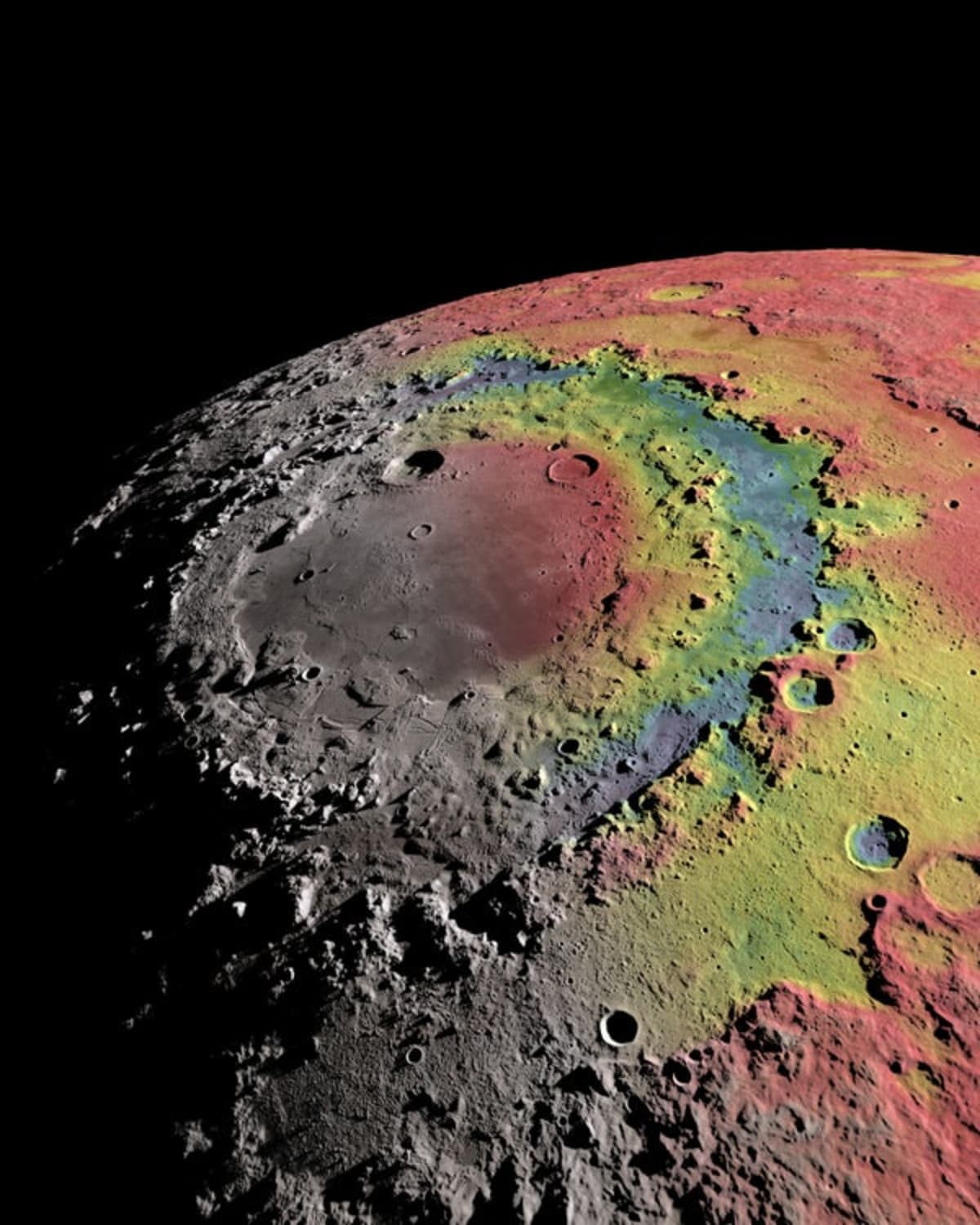
The biggest puzzle? The moon should be geologically dead by now. It's too small to hold onto the heat from its formation, and Earth's gravity shouldn't be warming it enough to keep it active. Yet shallow moonquakes still rattle its surface, and some volcanic regions may be just 100 million years old in geological terms.
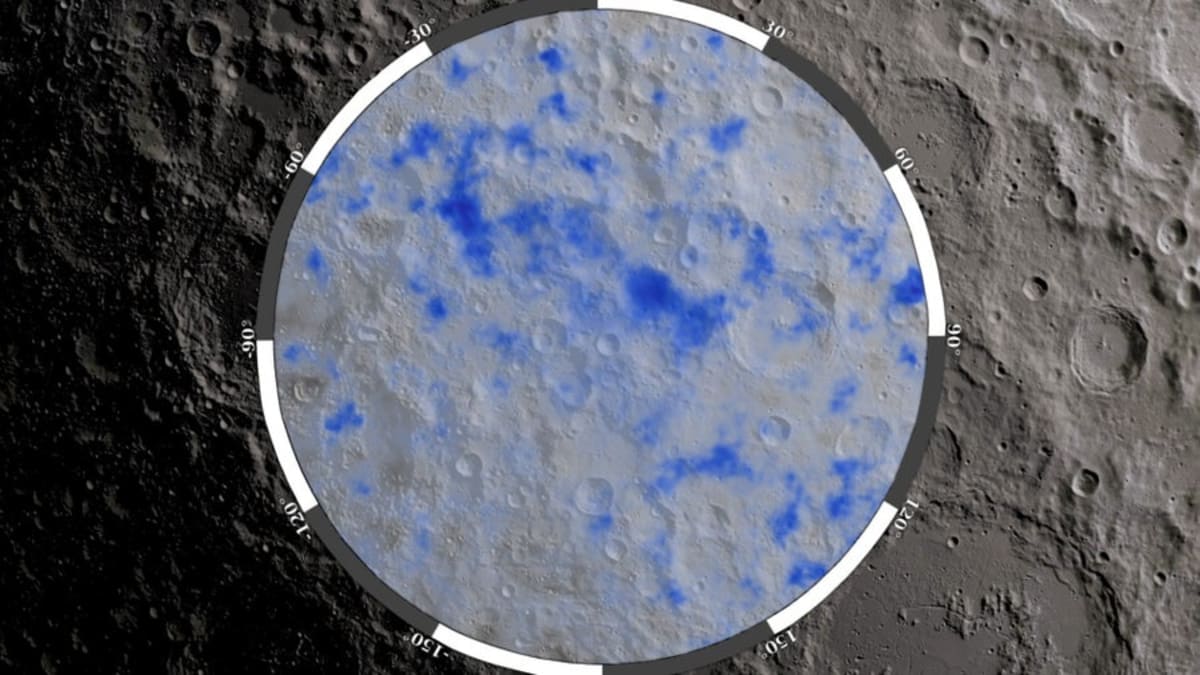
In 2028, Artemis IV astronauts will deploy advanced seismometers near the moon's south pole. These instruments will work like a medical CT scan, using moonquakes to peek deep inside our celestial neighbor. For the first time, scientists might finally learn whether the moon has a liquid or solid core.
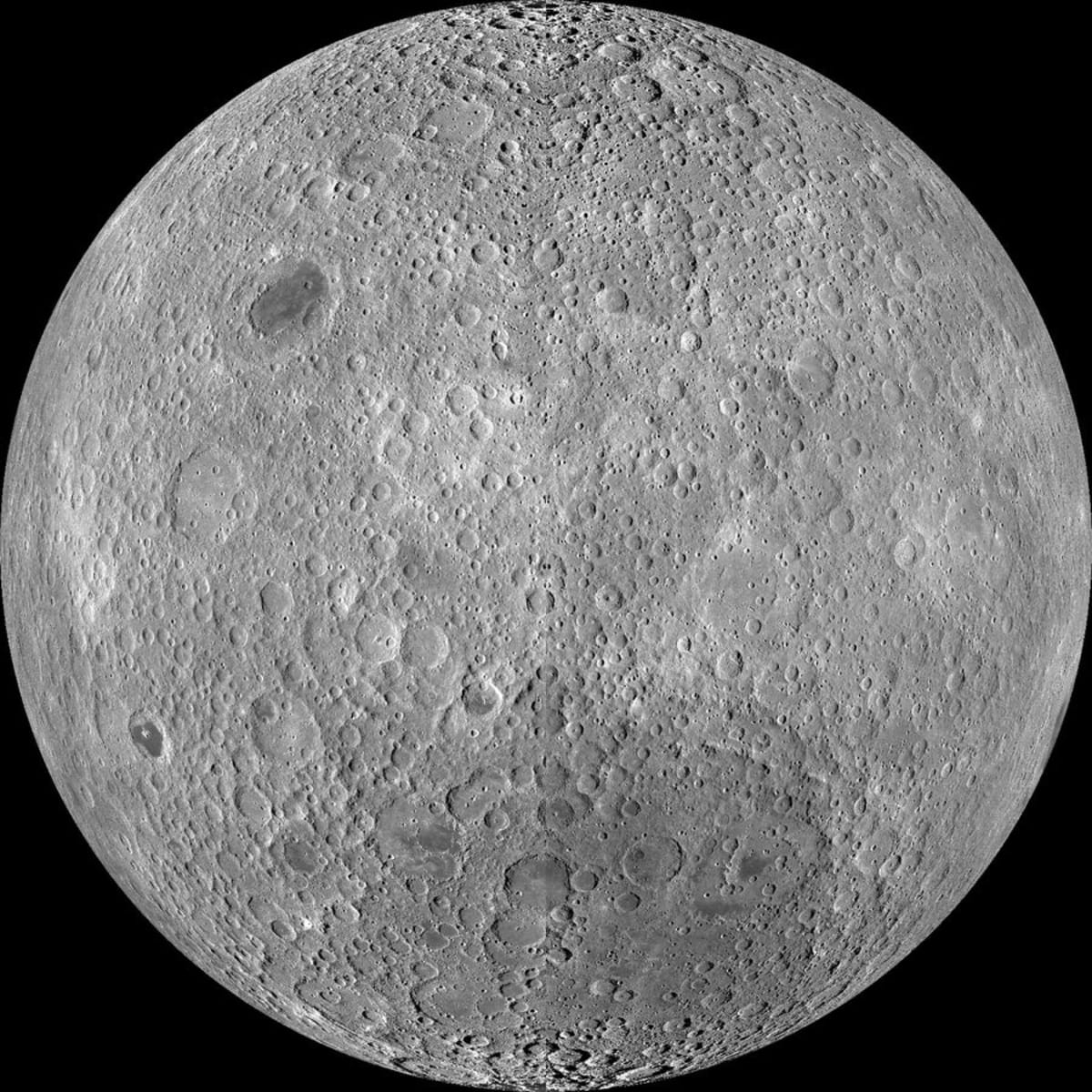
The current problem is embarrassingly simple: we only have data from one small patch of the moon's nearside. The Apollo-era seismometers stopped working in 1977, and none were ever placed on the farside.
Why This Inspires
This isn't just about satisfying scientific curiosity. Understanding the moon's geological history helps us understand Earth's story too. The answers locked in lunar rocks and deep structures tell us about the violent early solar system that shaped our home planet.
Private companies and space agencies worldwide are joining the effort. China plans its own crewed missions, and NASA's commercial partnerships will scatter sensors across previously unexplored regions. The moon is about to become the most studied object beyond Earth.
What took five decades to restart is now moving at breakneck speed. The wait is finally over, and the answers are coming.
More Images
Based on reporting by Scientific American
This story was written by BrightWire based on verified news reports.
Spread the positivity!
Share this good news with someone who needs it