NASA's Moon Return Opens Door for New Radio Telescopes
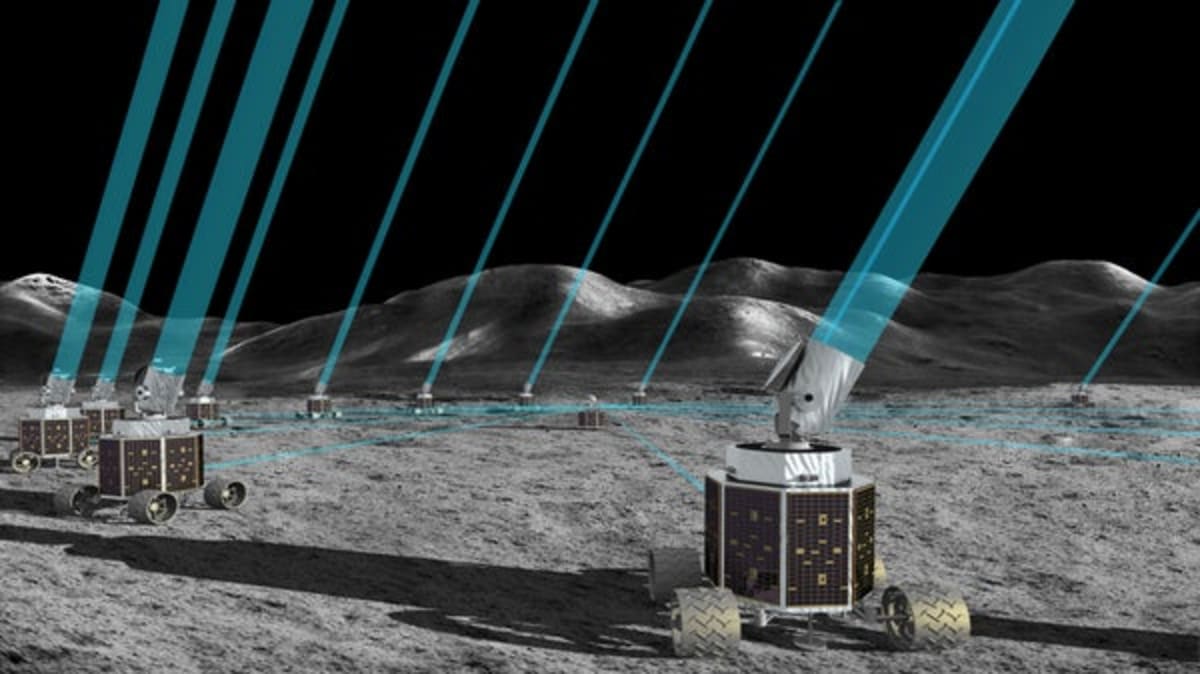
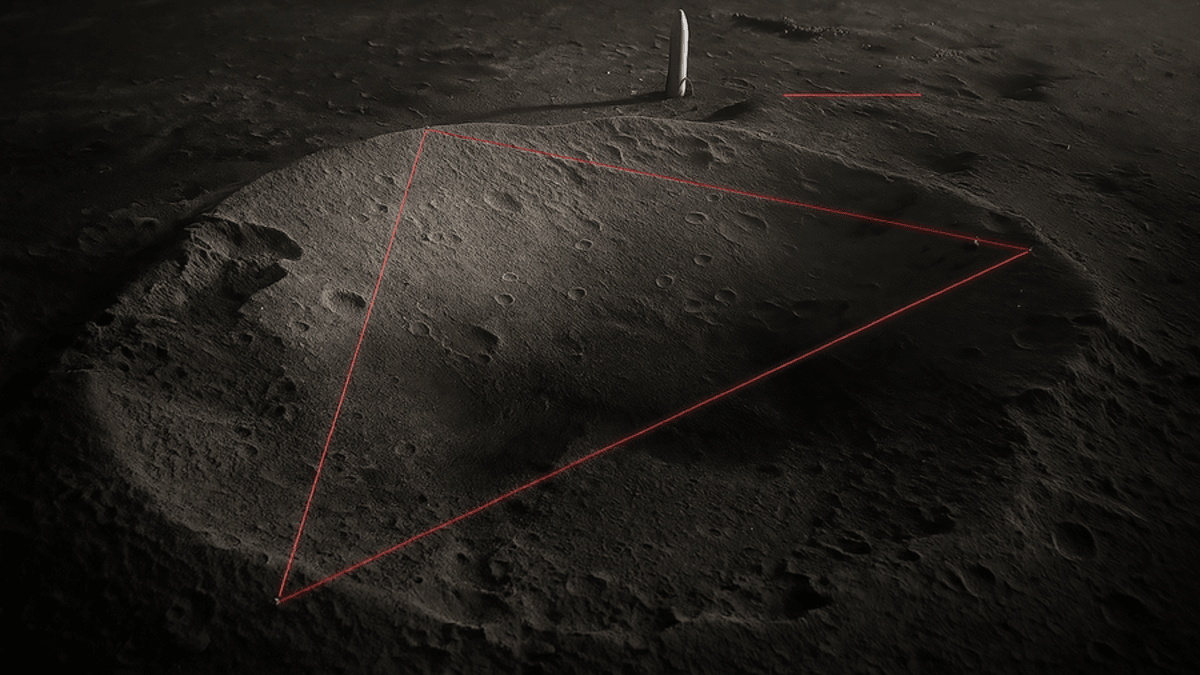
Scientists are getting an unexpected second chance to build dream telescopes on the moon's far side, thanks to renewed lunar missions. A radio observatory there could reveal secrets from the universe's mysterious "dark ages."
After years of abandoned dreams, physicist Anže Slosar got an email that changed everything: Would he like to build a radio telescope on the moon after all?
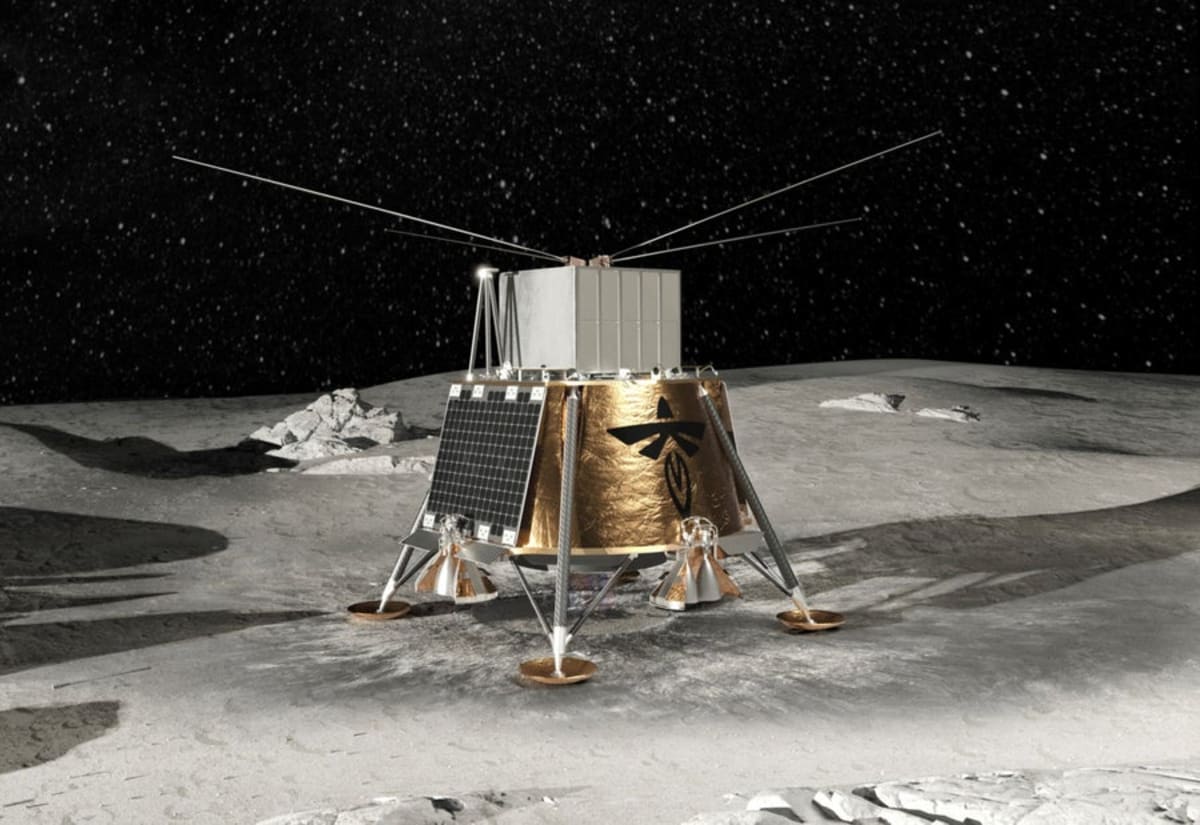
The unexpected funding came through, and now Slosar's once-impossible project is becoming reality. NASA's return to the moon through the Artemis program is giving astronomers a rare opportunity to conduct groundbreaking research that's impossible anywhere on Earth.
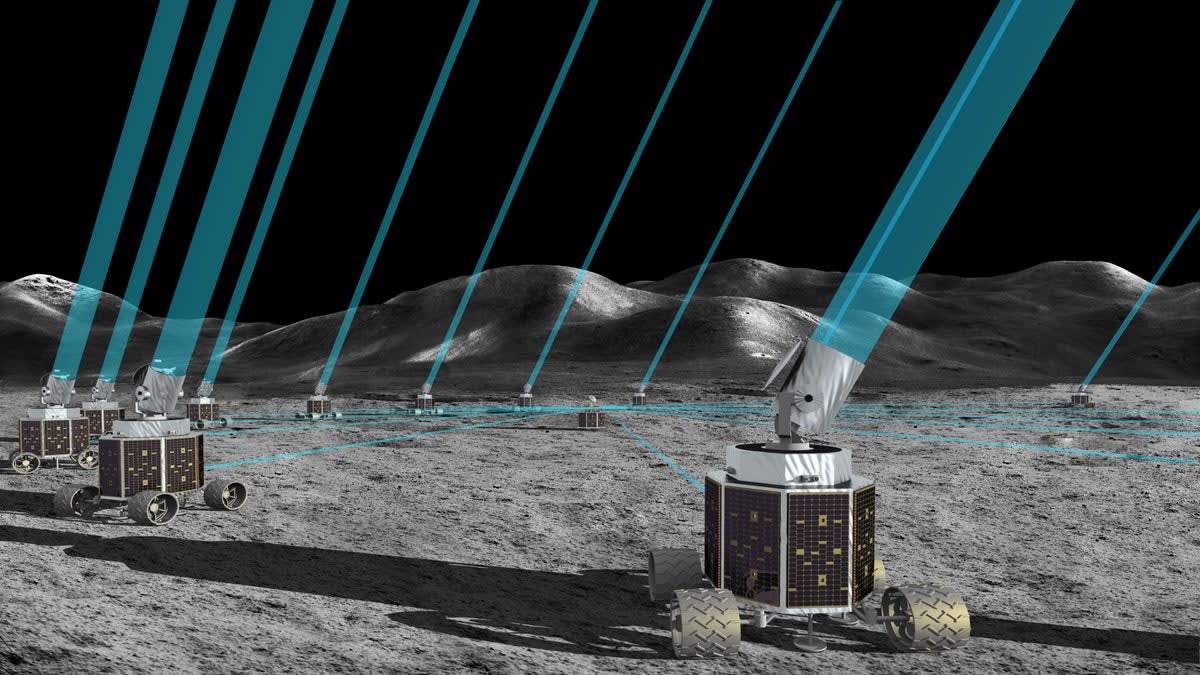
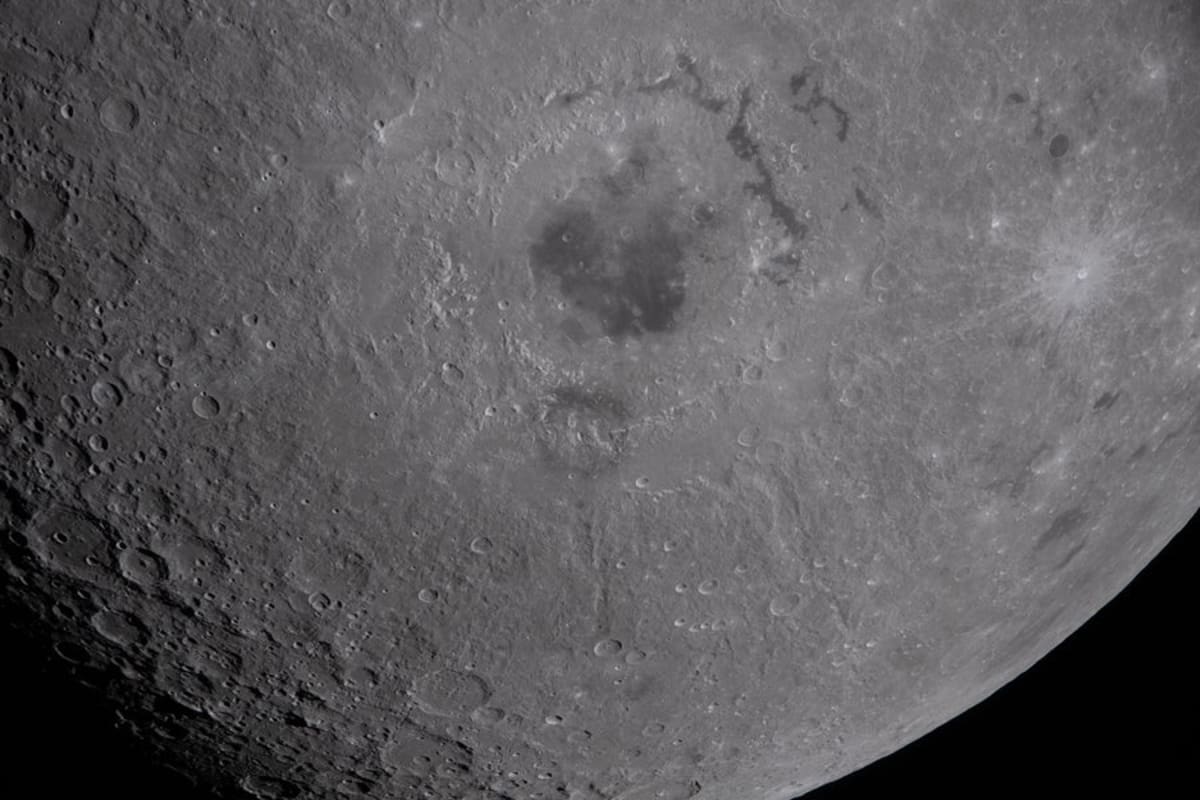
The moon's far side offers something no other nearby location can provide. It's the only place in our solar system completely shielded from Earth's constant radio chatter while also having no atmosphere to block cosmic signals.
Here's why that matters: Earth's ionosphere acts like a giant mirror, bouncing back most radio waves from deep space before they ever reach our telescopes. Space-based observatories don't help much either because Earth's telecommunications signals drown out the faint cosmic whispers scientists want to hear.
But on the far side of the moon, with Earth's bulk blocking all that noise, astronomers can finally tune in to frequencies that reveal the universe's biggest mysteries. They're particularly excited about detecting 21-centimeter radio waves from the cosmic "dark ages," a period spanning hundreds of millions of years after the Big Bang.
During this era, the universe was filled with cool hydrogen that emitted almost no visible light. Scientists have only patchy data from this time, leaving fundamental questions unanswered about how the first stars and galaxies formed.
The Ripple Effect
The renewed interest in lunar science isn't just helping radio astronomers. Other researchers are proposing experiments that could only work on the moon, from studying the sun's atmosphere to capturing detailed images of distant stars at every stage of their life cycle.
For Slosar, the project called LuSEE-Night (Lunar Surface Electromagnetics Experiment-Night) represents the first step toward a full-scale lunar radio observatory. "It became one of the quietest places in our solar system for observing these radio frequencies," he says.
The timing couldn't be better. As government funding for Earth-based astronomy projects faces cuts, the moon is emerging as an unexpected scientific haven. The Artemis missions, already funded for lunar exploration, can carry research equipment along for the ride.
What seemed like science fiction just a few years ago is now on the horizon, giving a new generation of astronomers their moonshot.
More Images
Based on reporting by Scientific American
This story was written by BrightWire based on verified news reports.
Spread the positivity!
Share this good news with someone who needs it