NASA's New Device Makes IV Fluid On Demand in Space
Astronauts on deep space missions can now create medical-grade IV fluid whenever they need it, thanks to a coffee-maker-sized device heading to the International Space Station. The breakthrough solves a critical problem: IV bags expire in 16 months, but Mars missions could last three years.
Imagine being millions of miles from Earth when a medical emergency strikes and your IV supplies have expired. NASA just solved that problem with a device that turns drinking water into life-saving fluid on demand.
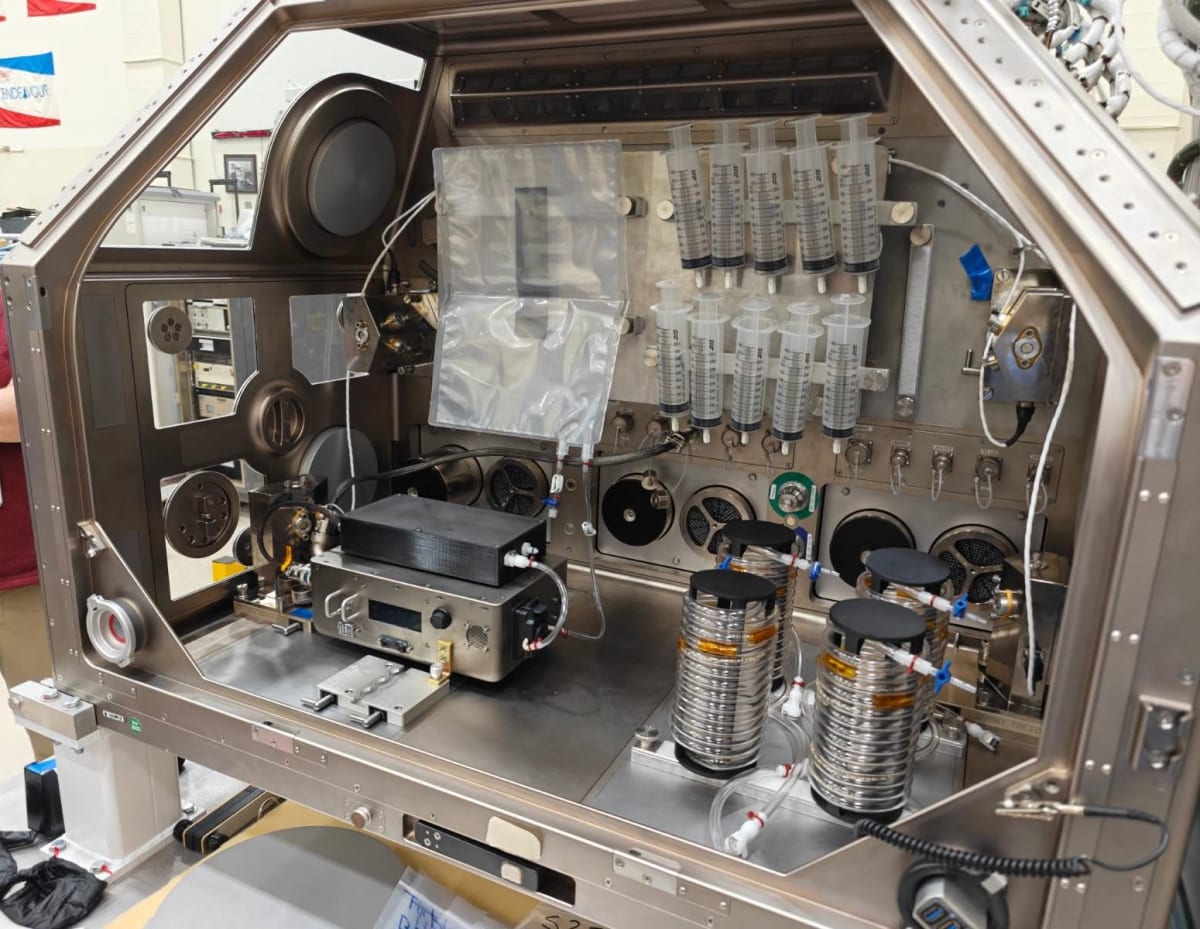
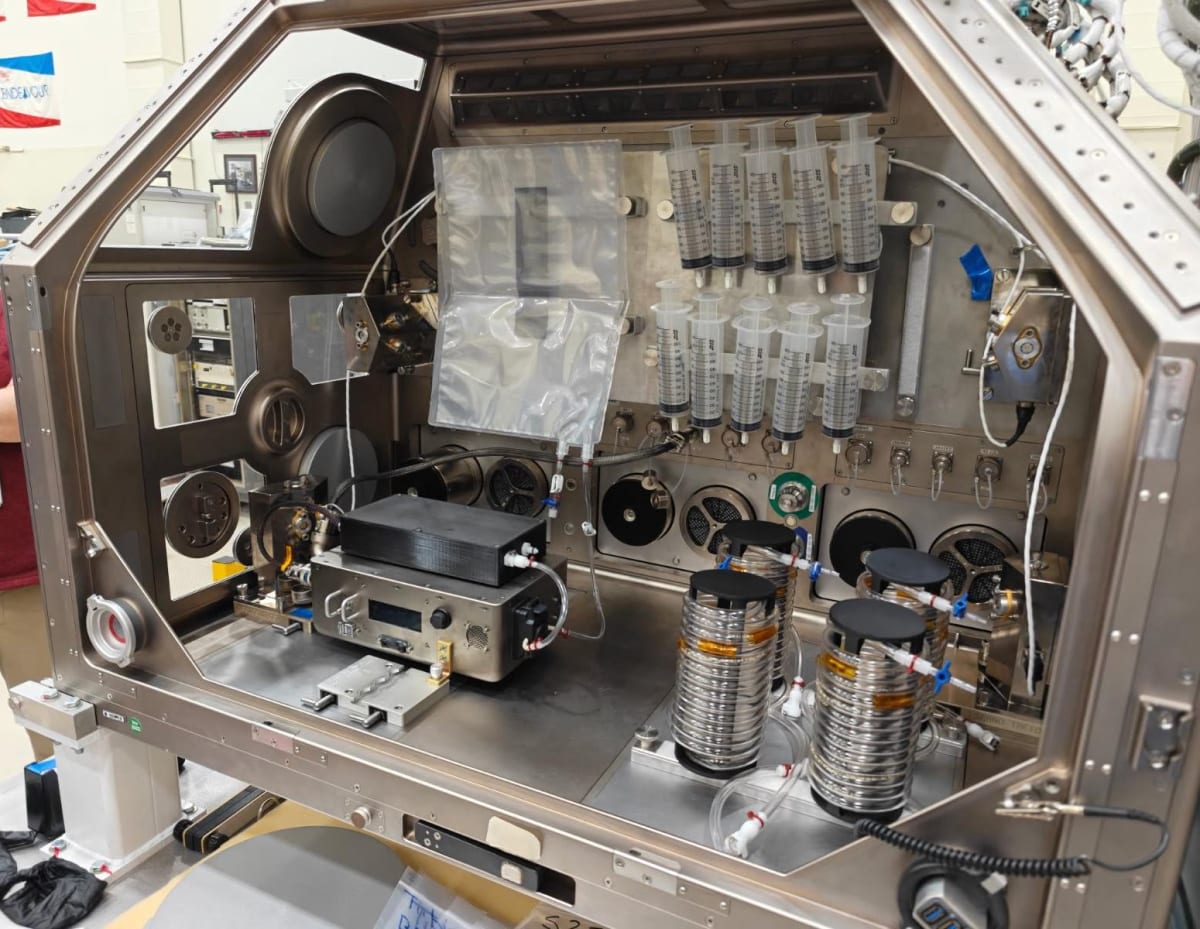
The IVGEN Mini system launched to the International Space Station on April 11 and will begin producing IV fluid this spring. The compact device filters station drinking water, removes impurities, and mixes it with premeasured sodium chloride to create sterile medical-grade IV fluid in about an hour.
This matters because IV fluid treats nearly a third of all medical conditions in space, from dehydration to burns. But current IV bags only last 16 months, creating a serious risk for missions to Mars that could span three years.
"It's that trade between packing IV fluid bags that are likely to expire during the mission or taking a small device and making it as you go," said Courtney Schkurko, engineering project manager at NASA's Glenn Research Center in Cleveland. With IVGEN Mini, the fluid will always be fresh and ready when astronauts need it most.
The technology isn't entirely new. NASA first tested a larger version aboard the space station back in 2010, but it was bulky and relied on gaseous nitrogen to pump fluid through the system. The new model uses miniaturized pumps and takes up a fraction of the space.
During May demonstrations, astronauts will operate IVGEN Mini over two days to produce 10 liters of fluid. Those samples will return to Earth for testing to confirm they meet United States Pharmacopeia standards for pH, salinity, and sterility. None of the fluid will be used on crew members yet.
The Ripple Effect
Beyond solving the expiration problem, IVGEN Mini transforms how NASA thinks about deep space cargo. A three-year Mars mission might need 100 liters of IV fluid, and those one-liter bags would consume precious cargo space and weight. The compact device weighs far less and produces fluid as needed, freeing up room for other critical supplies.
The system can currently produce 1.2 liters per hour, enough to handle expected medical events during deep space missions. Future testing will focus on how long the produced IV fluid can be stored, potentially giving crews even more flexibility in managing medical supplies.
This technology represents one piece of NASA's broader effort to make human exploration of the Moon and Mars safer and more sustainable. When astronauts finally set foot on Mars, they'll carry solutions like IVGEN Mini that ensure they can handle medical emergencies with fresh supplies, no matter how far from home they travel.
The era of deep space medicine is getting a little less risky, one liter at a time.
More Images

Based on reporting by NASA
This story was written by BrightWire based on verified news reports.
Spread the positivity!
Share this good news with someone who needs it