NASA's New Moon Mission Control: Diverse Teams, Same Dream
When Artemis II launches in 2026, it won't just be a historic return to the Moon. The Houston mission control running the show looks nothing like the all-male Apollo teams that came before.
The room where humans will return to the Moon has gotten a major upgrade, and we're not just talking about the technology.
NASA's Mission Control Center in Houston is preparing to guide Artemis II, the first crewed lunar mission since 1972. Four astronauts will loop beyond the Moon in April 2026, traveling farther than any human has gone before. The same concrete building that brought Apollo astronauts home safely will once again become the nerve center for humanity's next giant leap.
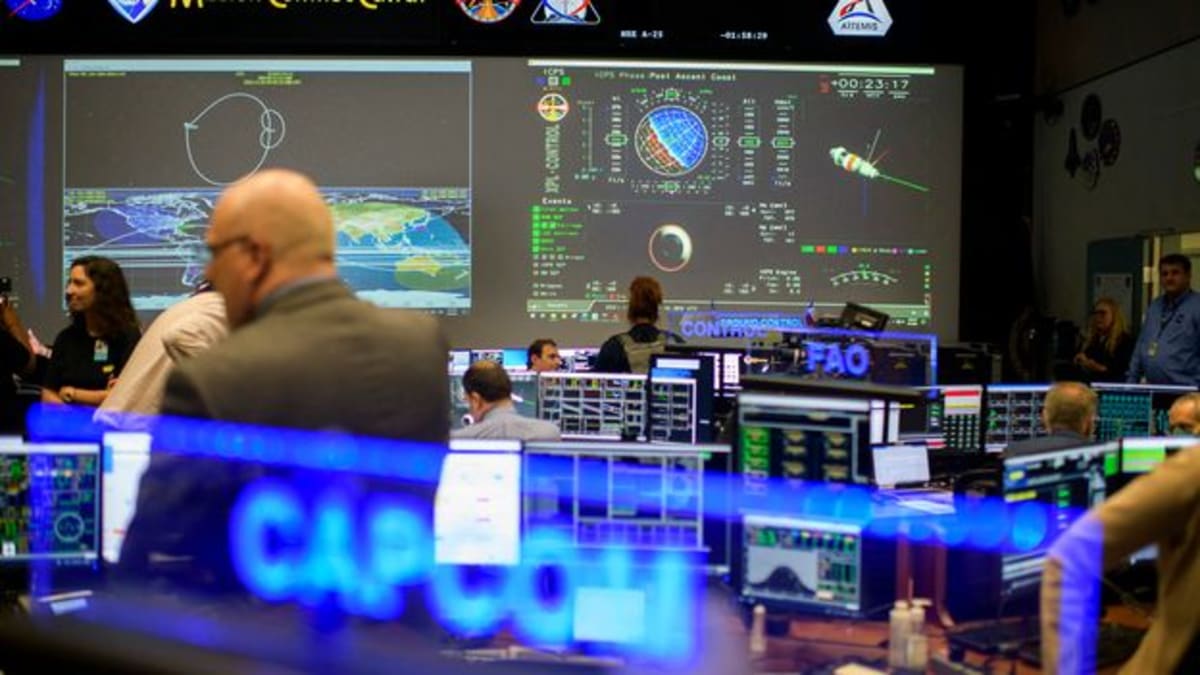
Flight director Fiona Antkowiak is one of nine directors assigned to keep the mission on track. She leads a diverse team working 24-hour shifts to monitor everything from the spacecraft's trajectory to the astronauts' heartbeats. "The role of mission control is ultimately to keep the astronauts safe, keep the Orion spacecraft safe and to achieve the mission objectives," she says.
The original Apollo mission control room sits preserved across the hall, complete with ashtrays and coffee cups from 1969. Back then, every controller was a young white man in a white shirt with pockets full of pens. When Poppy Northcutt joined as the first female engineer in the mid-1960s, it was very much a boys' club.
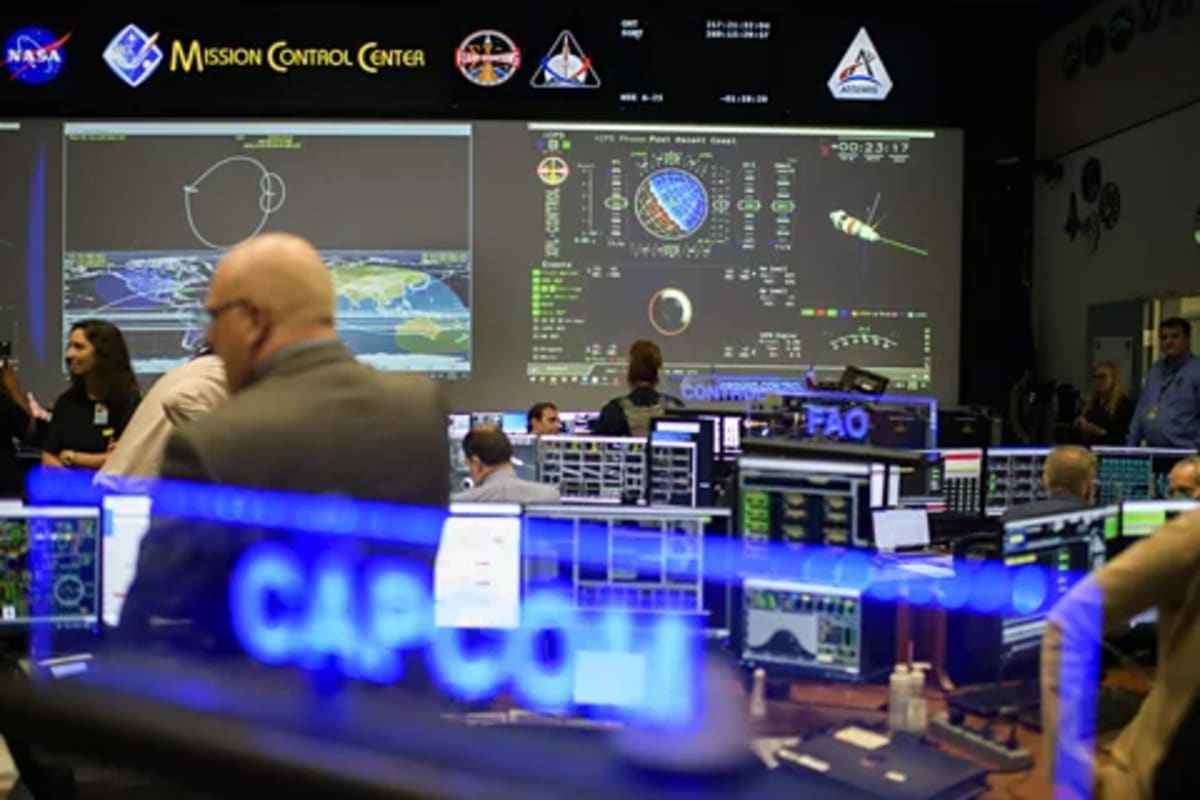
Today's mission control tells a different story. Women frequently lead operations, teams reflect genuine diversity, and the dress code has relaxed considerably. The air is cleaner too, now that smoking is banned and plastic travel mugs have replaced china cups.
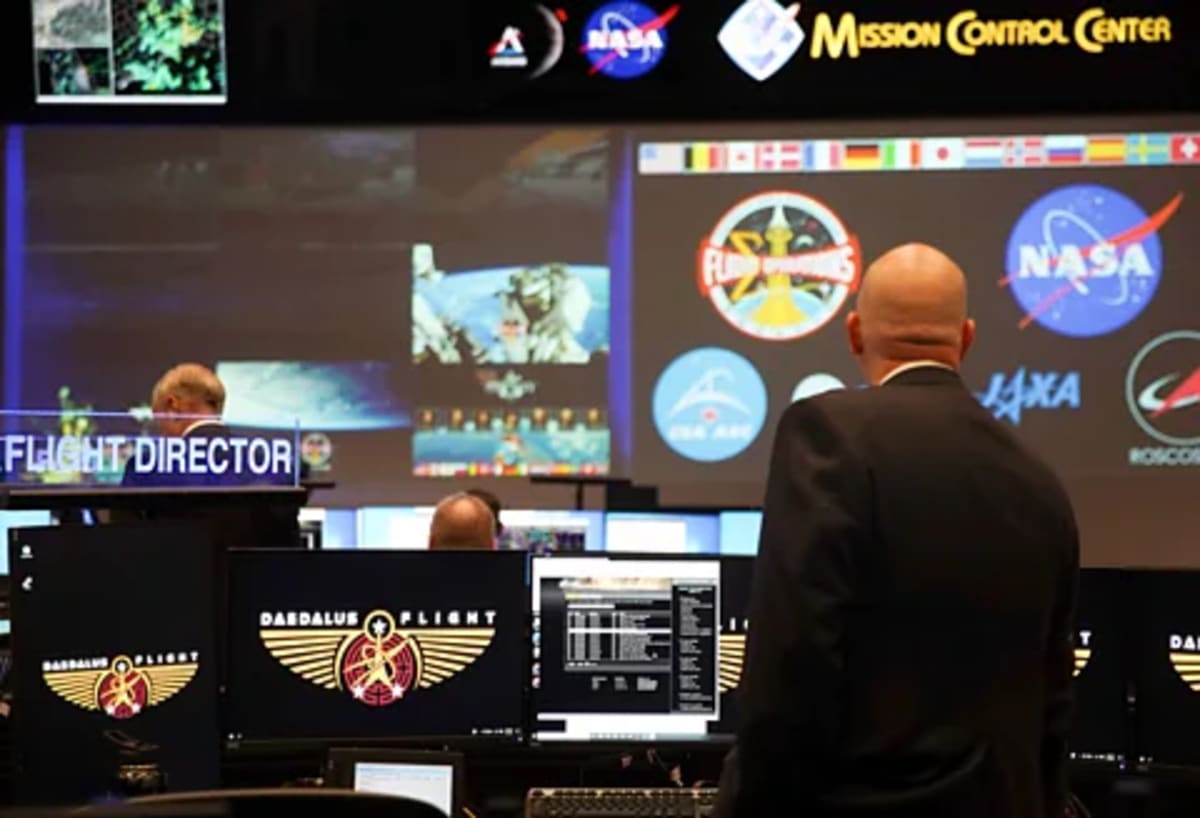
The technology has evolved just as dramatically. Those chunky grey consoles with black and white monitors have given way to keyboards and touchscreens. But the desk names remain the same, like "Eecom" for life support, a reminder of the Apollo 13 rescue mission that proved failure truly isn't an option.
Behind the main control room, engineers in the Orion Mission Evaluation Room provide deep technical support. Many of them actually designed and built the spacecraft, so they know every bolt and circuit. A European team monitors the service module built by Airbus in Germany, which provides the main engine, fuel, water and air the astronauts need to survive.
Why This Inspires
The original mission control structure created by Chris Kraft in the early space age has stood the test of time for good reason. It brought astronauts home safely through triumphs and near-disasters alike. But the faces running those same systems today show how far we've come as a society, not just as space explorers.
When Artemis II launches, a new generation will prove that the dream of space exploration belongs to everyone.
More Images

Based on reporting by BBC Future
This story was written by BrightWire based on verified news reports.
Spread the positivity!
Share this good news with someone who needs it