NASA's New Telescope to Survey a Billion Galaxies by 2026
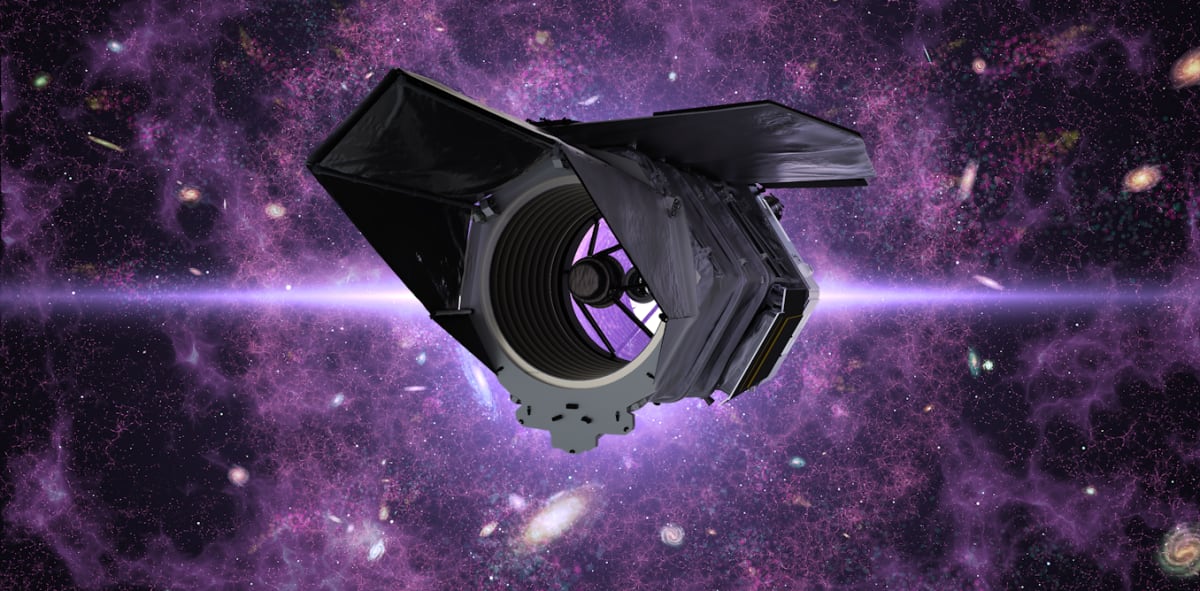
A repurposed spy telescope is getting a second life as NASA's newest space observatory, set to launch in August 2026. The Nancy Grace Roman Space Telescope will help solve cosmic mysteries while searching for distant planets.
📺 Watch the full story above
America's spy program just gave astronomers the gift of a lifetime, and it's about to unlock secrets about a billion galaxies across the universe.
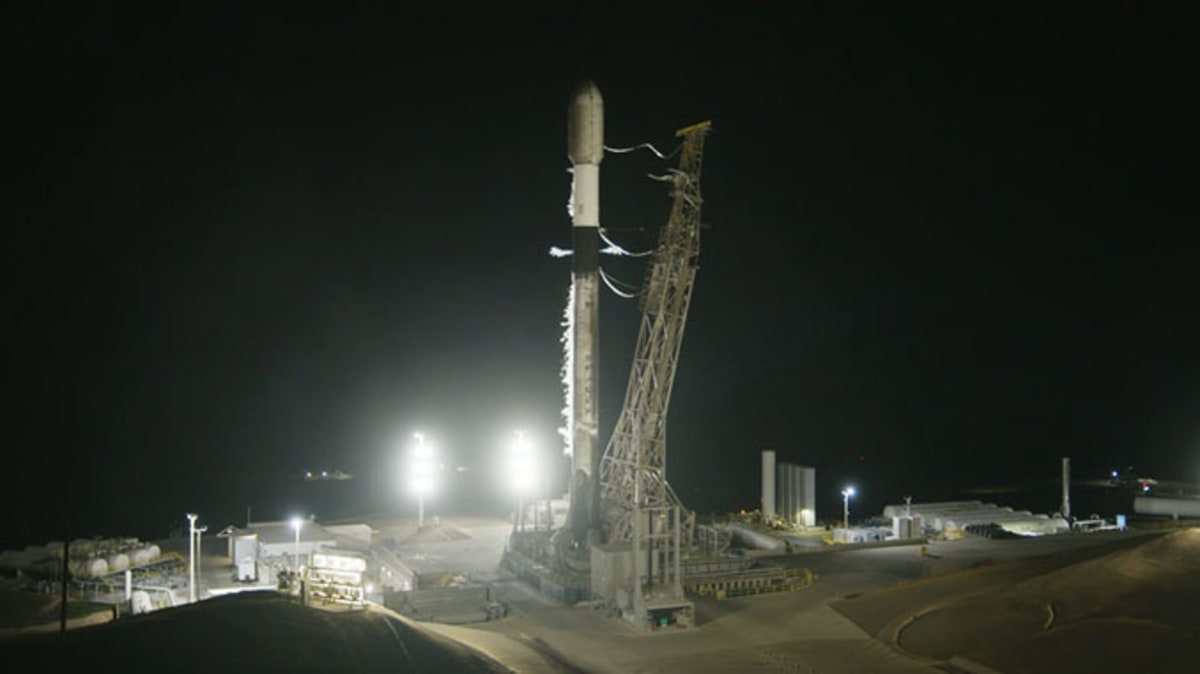
NASA is preparing to launch the Nancy Grace Roman Space Telescope in August 2026, a powerful observatory that started its life as intelligence hardware. When the National Reconnaissance Office no longer needed the telescope in 2012, they donated it to NASA instead of letting it gather dust.
The space agency spent over a decade transforming this spy tool into a cosmic detective. The telescope will tackle some of astronomy's biggest puzzles, from tracking dark matter across the universe to discovering rogue planets drifting between stars in our own Milky Way galaxy.
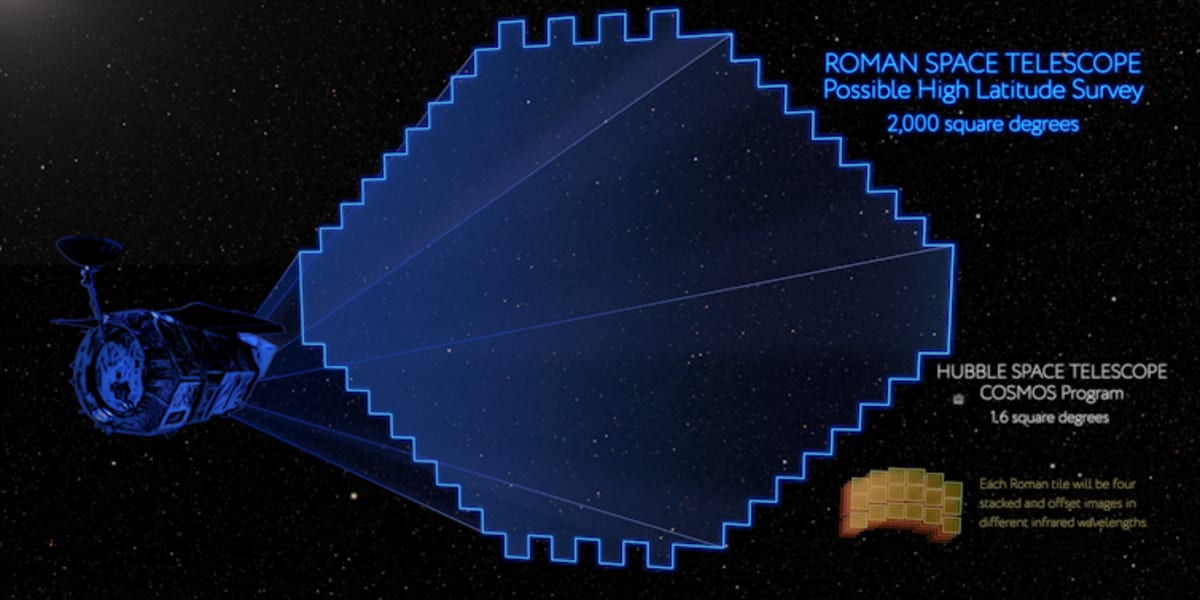
What makes Roman special is its unusually wide field of view. While telescopes like Hubble peer deeply into narrow slices of space, Roman can photograph areas about a hundred times larger in a single shot. Its mirror matches Hubble's size, but its spy telescope origins give it a much shorter focal length, letting it capture vast swaths of sky at once.
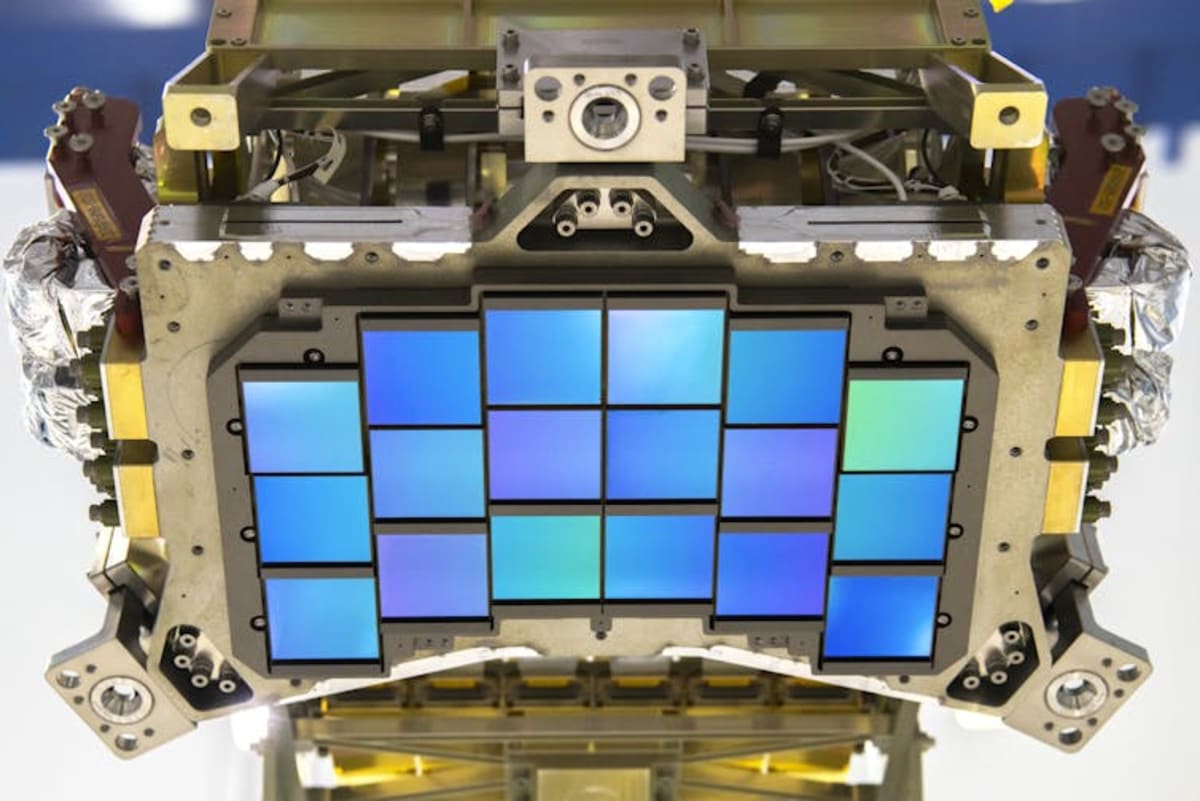
NASA equipped Roman with 18 cutting-edge infrared detectors totaling around 300 megapixels. These sensors represent decades of technological progress, built on the same foundation as the detectors in the James Webb Space Telescope but with four times the pixels. They're sensitive enough to detect incredibly faint light from distant galaxies and planets.
The telescope will watch exploding stars called supernovas to measure how fast the universe has been expanding. It will map the three-dimensional distribution of dark matter, the invisible substance that makes up most of the universe's mass. Scientists have never directly observed dark matter or dark energy, but Roman's data could finally reveal their physical nature.
The Ripple Effect
Roman's innovations extend beyond space exploration. The detector technology powering this telescope has already enabled Nobel Prize-winning discoveries about dark energy and the universe's expansion. Those breakthroughs came from charge-coupled devices invented in the 1970s, proving that today's telescope technology becomes tomorrow's world-changing science.
The telescope also carries a coronagraph instrument that blocks starlight to reveal faint planets orbiting nearby. This technology will pave the way for future missions hunting Earth-like worlds around other stars, where the host star can shine 10 billion times brighter than the planet itself.
Astronomers are already planning research projects for Roman's first years in space. The telescope's combination of wide views and extreme sensitivity means it will spot phenomena that other observatories simply can't see, from the youngest galaxies in the early universe to planets closer to home.
Sometimes the best tools for exploring our future come from unexpected places, and this repurposed spy telescope is proof that great science can have surprising origins.
More Images
Based on reporting by Google News - Science
This story was written by BrightWire based on verified news reports.
Spread the positivity!
Share this good news with someone who needs it