NASA's New Telescope Will Scout the Universe for Webb
NASA's Nancy Grace Roman Space Telescope, launching in August 2026, will scan huge areas of sky 100 times faster than Hubble to find the universe's rarest objects. The mission will act as a cosmic scout, mapping dark matter and dark energy while directing Webb and Hubble to the most intriguing discoveries.
Imagine trying to find the rarest treasures in the universe but only being able to peek through a tiny keyhole at a time.
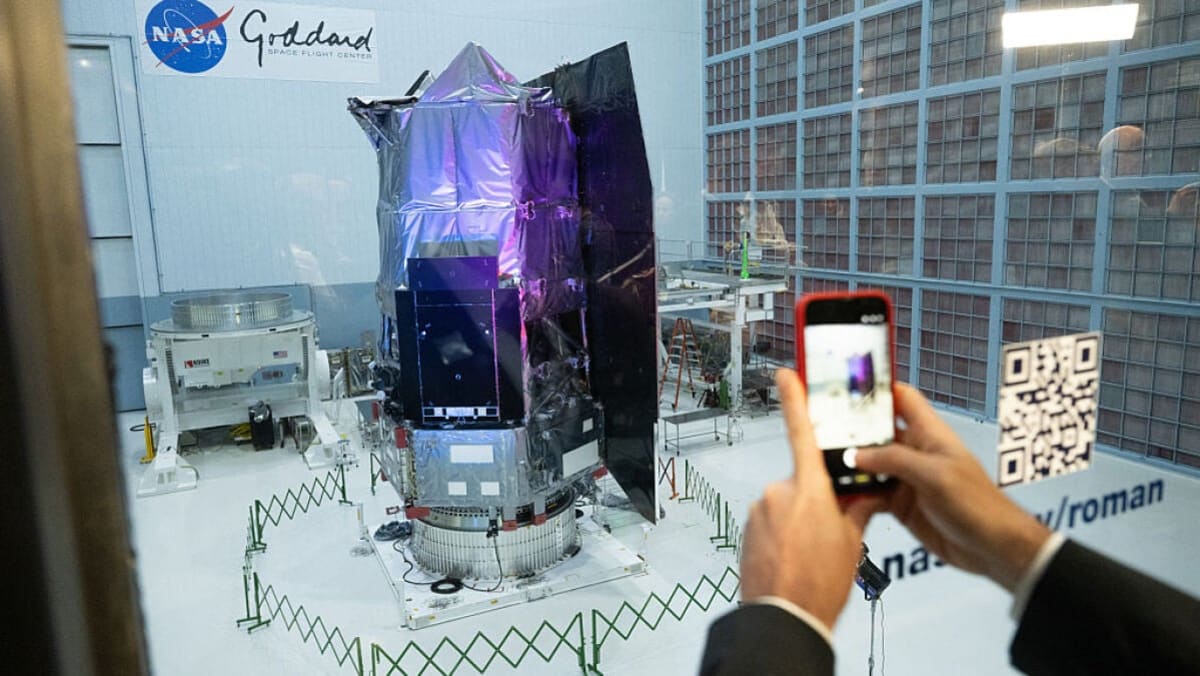
NASA's newest space telescope is about to swing that door wide open. The Nancy Grace Roman Space Telescope, set to launch as early as August 30, 2026, will revolutionize how astronomers explore the cosmos by scanning enormous swaths of sky that other observatories simply can't cover.
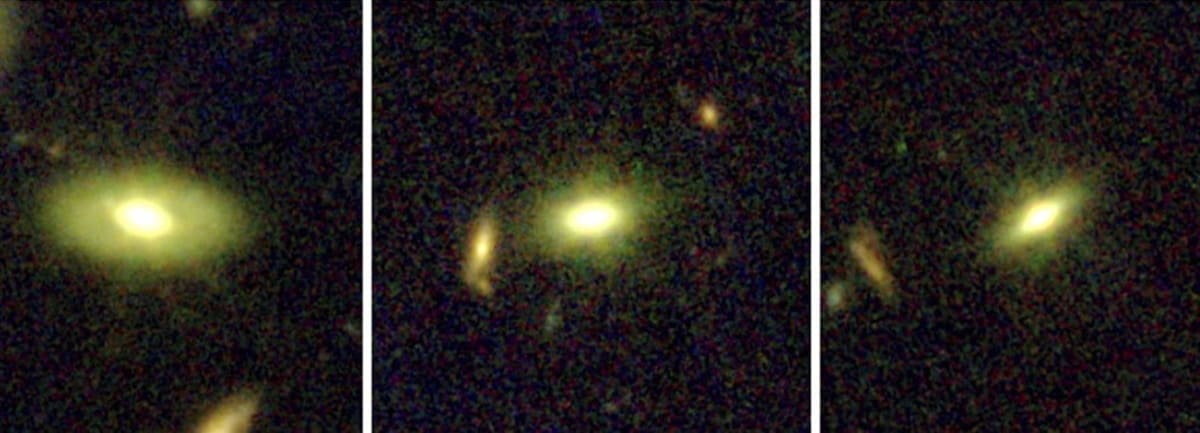
The problem with current technology became clear when Hubble accidentally spotted what appeared to be a black hole racing through space. The discovery was incredible, but it happened purely by luck because Hubble was pointing at exactly the right spot at the right time. Scientists realized they were missing countless cosmic wonders simply because no telescope could search widely enough.
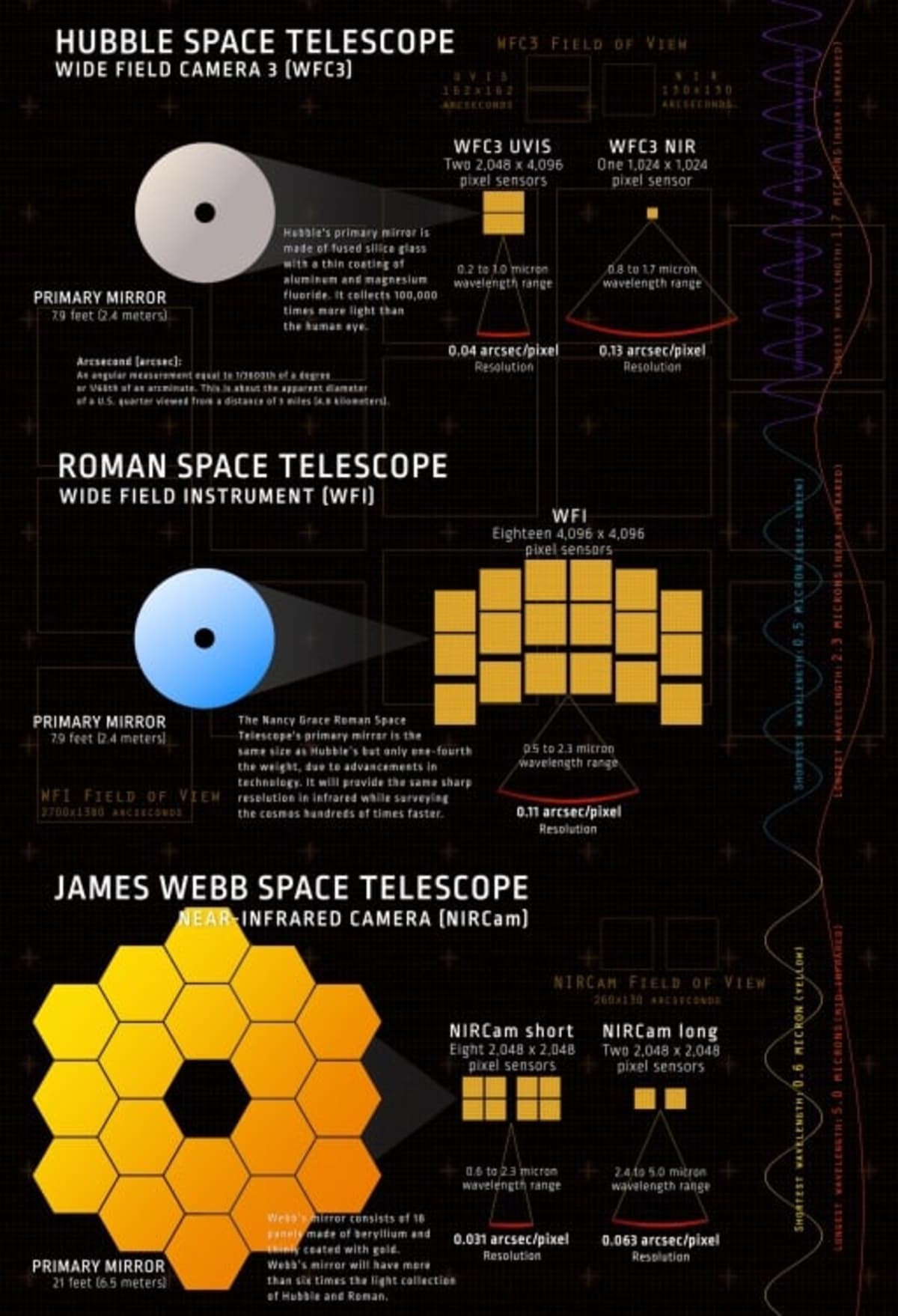
Roman changes that equation completely. While it will capture images with the same sharp resolution as Hubble, each picture will cover at least 100 times more sky. Over its first five years, Roman will photograph more space than Hubble has managed in three decades.
The telescope won't work alone. Roman's role is to act as a cosmic talent scout, finding the universe's most unusual objects and then alerting the James Webb Space Telescope and Hubble to investigate them closely. It's like having a wide-angle lens and a telephoto lens working together on the same camera.
"You could consider one of Roman's roles to be something like a finding chart for the James Webb Space Telescope," said senior project scientist Julie McEnery. Roman shows the big picture, then Webb zooms in for the details.
The Ripple Effect
This collaboration will tackle some of science's biggest mysteries. Roman will map how galaxies and galaxy clusters are distributed throughout space and how their patterns change over time. These cosmic blueprints help test our understanding of dark matter and dark energy, the mysterious forces that make up most of the universe but remain invisible to us.
Every day, Roman will beam back 1.4 terabytes of science data. A single image from its main survey would require more than 500,000 4K televisions to display, enough screens to blanket 45 city blocks.
The telescope will also team up with ground-based observatories like the Vera C. Rubin Observatory in Chile. When Rubin's images get too blurry because objects are crowded together, Roman's sharper infrared vision can separate them, improving the maps both observatories create.
Roman even carries an advanced coronagraph, a tool that blocks a star's light so scientists can photograph planets orbiting nearby. While this feature is primarily a technology demonstration, it's paving the way for future missions that could study Earth-like worlds around other stars.
Together, these three flagship telescopes create something greater than the sum of their parts. Hubble provides detailed multi-color snapshots, Webb peers through cosmic dust to study the universe's earliest moments, and Roman surveys vast territories to show where the most exciting discoveries are hiding.
NASA's investment in Roman isn't just about doing existing science faster; it's about making discoveries that simply weren't possible before.
More Images
Based on reporting by Google News - Science
This story was written by BrightWire based on verified news reports.
Spread the positivity!
Share this good news with someone who needs it