NASA's Nuclear-Powered Mars Mission Set for 2028 Launch
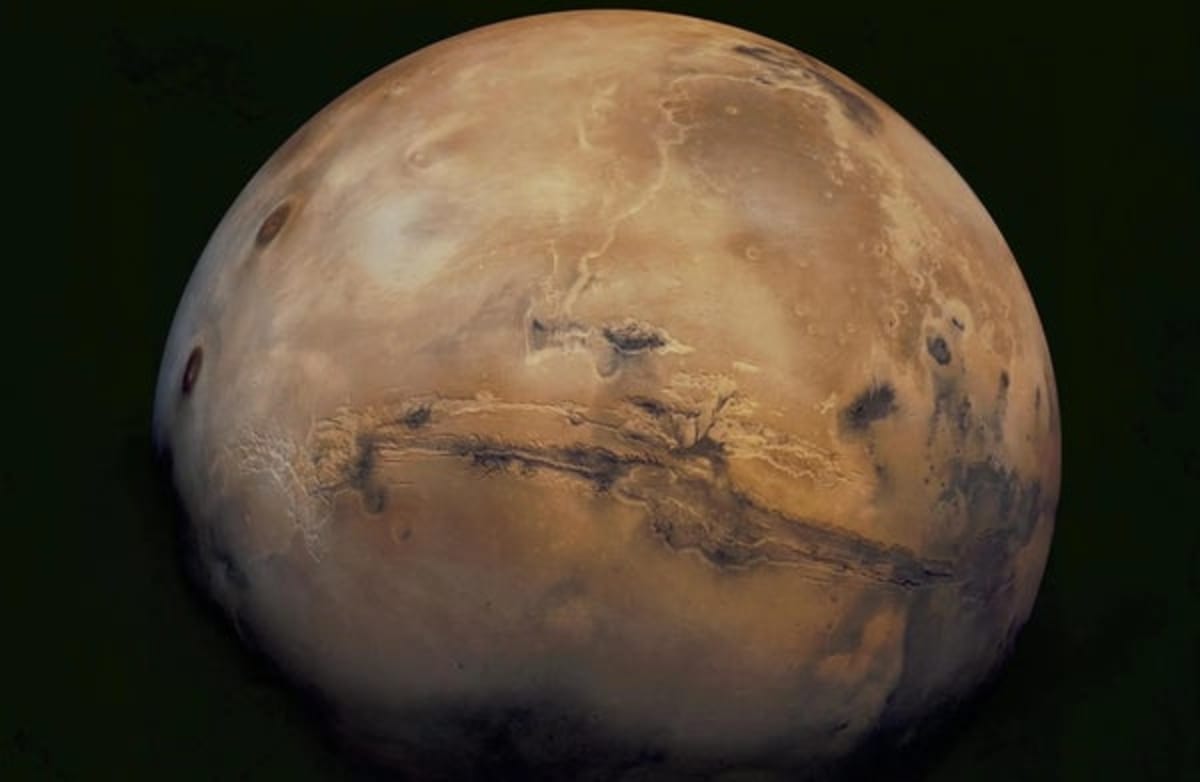
NASA will launch the first-ever nuclear-powered spacecraft to Mars before 2028, opening the door to faster, farther missions across our solar system. The groundbreaking mission proves technology that could finally let us explore distant planets and moons that traditional rockets simply can't reach.
NASA just announced plans to launch humanity's first nuclear-powered spacecraft to Mars, and it could change space exploration forever.
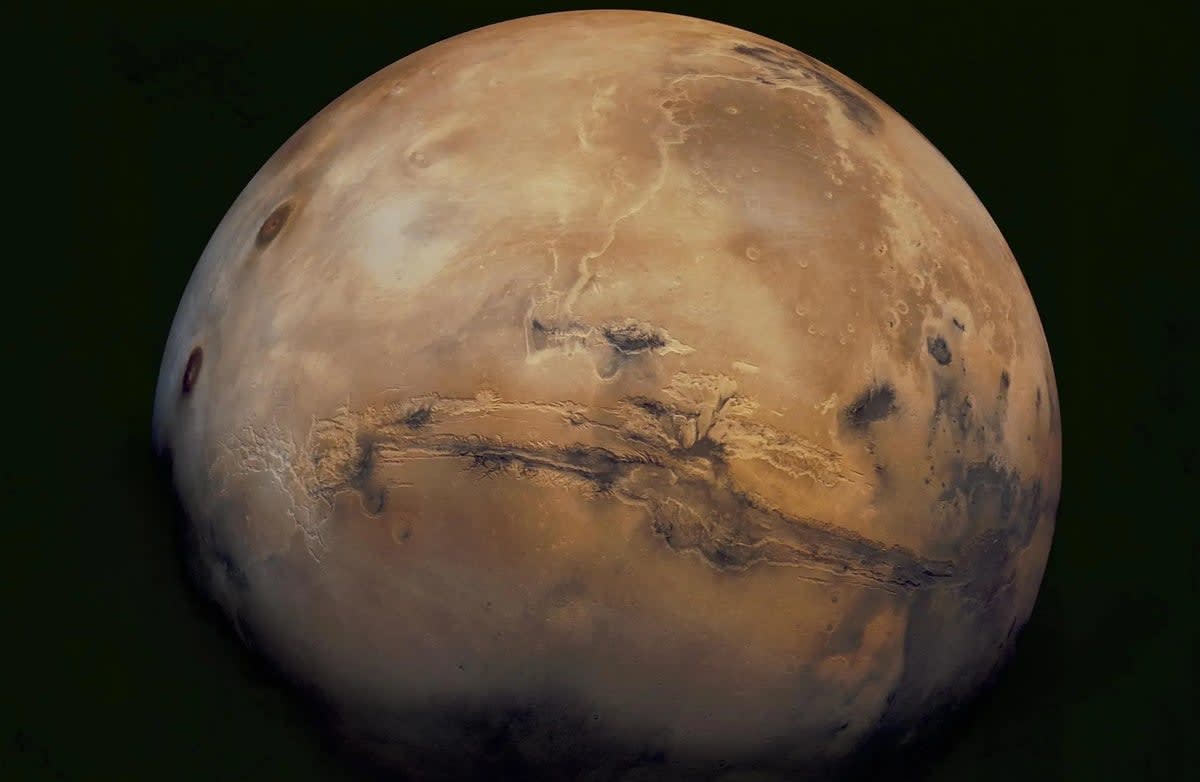
The space agency will send a craft called Space Reactor-1 Freedom to the Red Planet before the end of 2028. Once there, it will deploy helicopters similar to Ingenuity, the small rotorcraft that successfully flew on Mars as part of the Perseverance rover mission.
This isn't just another Mars mission. It's a test that could unlock the outer solar system for human exploration.
Right now, we can only send tiny battery-powered or solar-powered probes to distant planets like Jupiter, Saturn, and beyond. Traditional liquid-fueled rockets would need impossibly massive fuel tanks to travel those distances. Nuclear propulsion solves that problem by generating far more power from a much smaller package.
NASA says the mission will prove nuclear propulsion works in deep space and "activate the industrial base for future fission power systems." That means building the expertise and technology needed for missions that seem like science fiction today.
The Ripple Effect
This breakthrough reaches far beyond one Mars mission. Nuclear propulsion could cut travel time to Mars in half, reducing astronaut exposure to dangerous cosmic radiation on future crewed missions. It could power bases on the Moon or Mars that need constant electricity through long, cold nights.
The technology could finally let us explore ocean worlds like Jupiter's moon Europa or Saturn's moon Enceladus, where scientists believe conditions might support life. These distant destinations have always been tantalizingly out of reach, but nuclear power could bring them within our grasp.
The mission also represents decades of research finally reaching the launchpad. Scientists have studied nuclear propulsion since the 1960s, but no interplanetary spacecraft has ever used it. Now we'll see if the promise matches reality.
NASA hasn't revealed which specific nuclear propulsion design they'll test or whether private companies will participate. Those details will likely emerge as the mission takes shape over the next two years.
The dream of exploring distant worlds just got a launch date.
More Images



Based on reporting by Scientific American
This story was written by BrightWire based on verified news reports.
Spread the positivity!
Share this good news with someone who needs it