%2Fhttps%3A%2F%2Ftf-cmsv2-smithsonianmag-media.s3.amazonaws.com%2Ffiler_public%2F1b%2F16%2F1b1675b8-d8d6-4a1e-aa02-92c302d37db9%2F27901_pia26242-web.jpg)
NASA's Nuclear-Powered Spacecraft to Mars Launching in 2028
NASA plans to launch the first nuclear fission-powered spacecraft beyond Earth's orbit by late 2028, opening the door to exploring Mars and distant worlds. The mission could revolutionize deep space travel and help establish a future moon base.
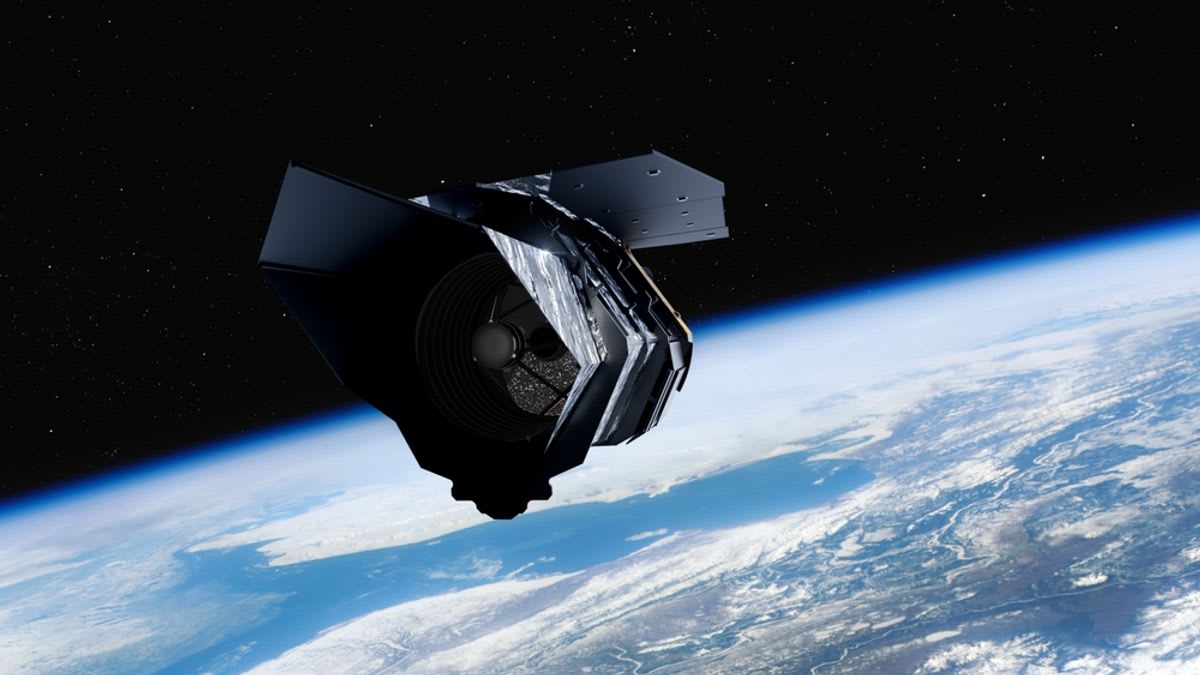
Traveling to the edge of our solar system just got a lot more realistic. NASA announced it will send a nuclear fission-powered spacecraft to Mars by the end of 2028, marking the first time this powerful technology has propelled a probe beyond Earth's orbit.
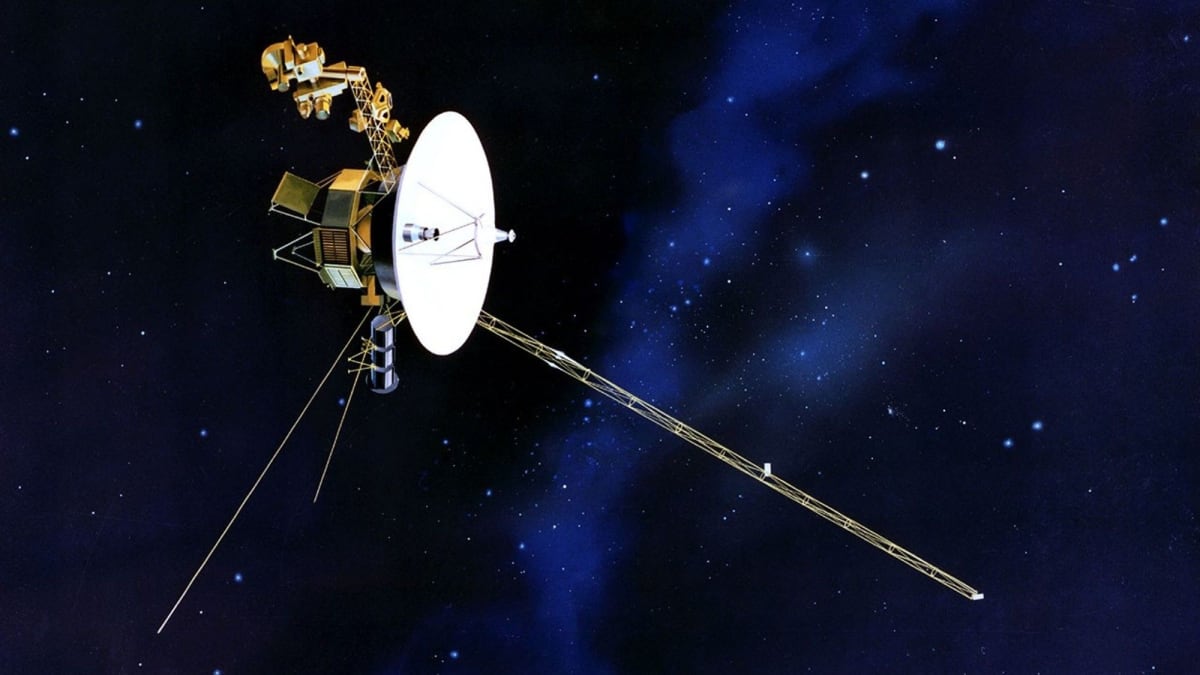
The spacecraft, named Space Reactor-1 (SR-1) Freedom, will split uranium atoms onboard to generate electricity for propulsion. This gives it far more power than the "nuclear batteries" that have powered distant missions like Voyager and New Horizons, which rely on slowly decaying plutonium.
Once SR-1 Freedom reaches Mars, it will deploy three helicopters to scout the Red Planet's surface. These flying robots will search for underground water and identify safe landing sites for future human missions.
But the mission doesn't stop at Mars. After completing its work on the Red Planet, SR-1 Freedom could continue traveling to investigate other worlds in our solar system, something that's nearly impossible with traditional liquid fuel spacecraft.
"This will ultimately unlock the capabilities necessary for sustained exploration beyond the moon and missions to Mars and the outer solar system," said NASA Administrator Jared Isaacman. The technology has existed for decades but hasn't been tested by the United States for space travel since the 1960s.
Why This Inspires
This mission represents more than just a trip to Mars. It's the key to unlocking humanity's ability to explore distant planets and moons that have remained out of reach.
The knowledge gained from SR-1 Freedom will directly support NASA's Lunar Reactor-1 project, which aims to power a planned moon base with nuclear fission. That lunar base project is receiving about $20 billion over the next seven years, showing NASA's serious commitment to establishing a lasting human presence beyond Earth.
While some scientists wonder if the planned Mars helicopters will be large enough to carry robust research tools, the mission's primary goal is proving the technology works. Success here means future spacecraft won't be limited by how much fuel they can carry, opening doors to missions once thought impossible.
The future of space exploration just got brighter, one atom at a time.
More Images
%2Fhttps%3A%2F%2Ftf-cmsv2-smithsonianmag-media.s3.amazonaws.com%2Ffiler_public%2F1b%2F16%2F1b1675b8-d8d6-4a1e-aa02-92c302d37db9%2F27901_pia26242-web.jpg)
%3Afocal(600x446%3A601x447)%2Fhttps%3A%2F%2Ftf-cmsv2-smithsonianmag-media.s3.amazonaws.com%2Ffiler_public%2F1b%2F16%2F1b1675b8-d8d6-4a1e-aa02-92c302d37db9%2F27901_pia26242-web.jpg)
%2Fhttps%3A%2F%2Ftf-cmsv2-smithsonianmag-media.s3.amazonaws.com%2Faccounts%2Fheadshot%2FSara_-_Headshot_thumbnail.png)
Based on reporting by Smithsonian
This story was written by BrightWire based on verified news reports.
Spread the positivity!
Share this good news with someone who needs it