NASA's Pandora Telescope Launches With Early-Career Team
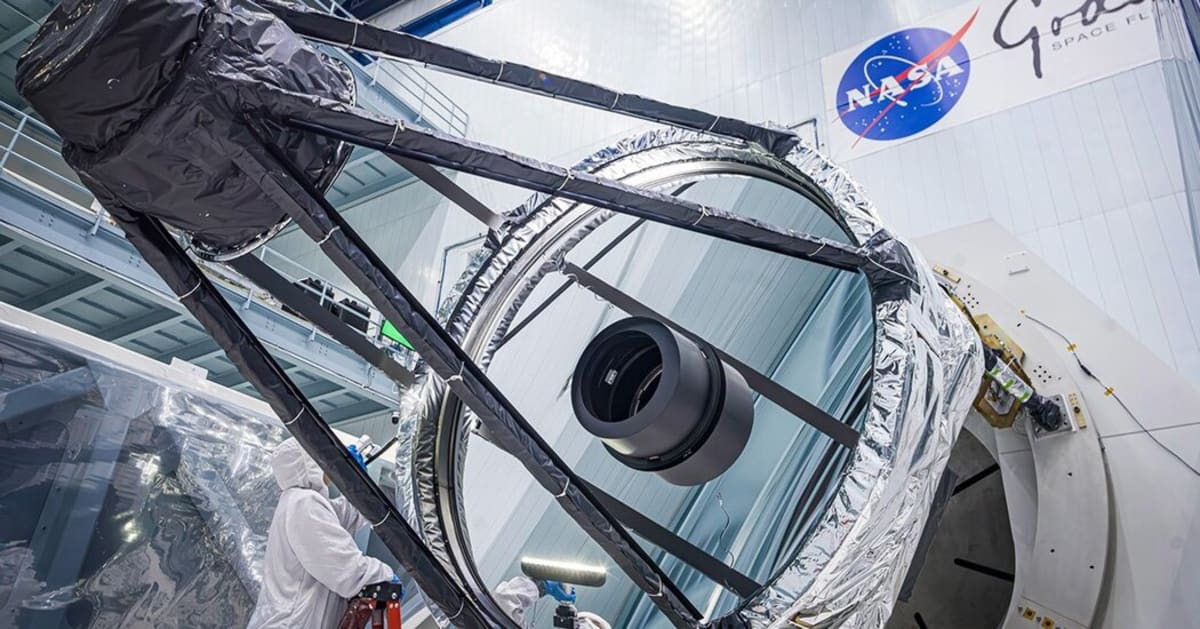
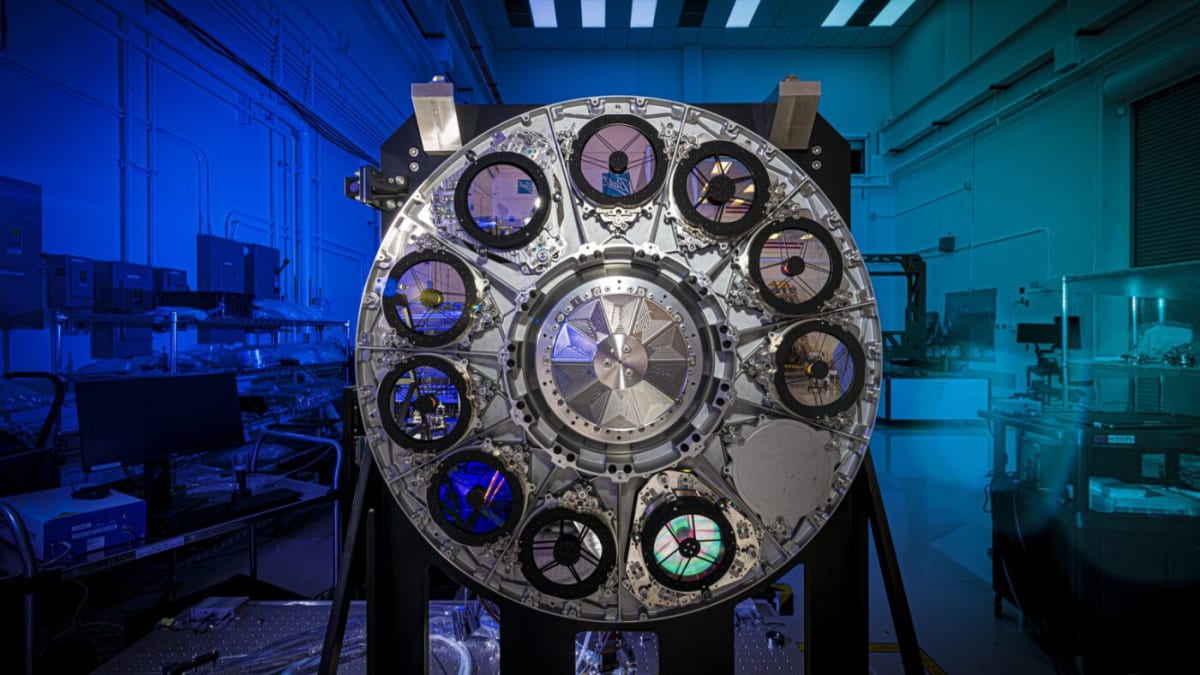
When NASA's Pandora telescope launched in January, more than half its leading scientists and engineers were early in their careers. The $20 million mission is giving young researchers unprecedented leadership roles in space exploration.
When the SpaceX rocket carrying NASA's Pandora telescope lifted off on January 11, the mission control room erupted in tears. For many of the scientists and engineers watching, it was the first spacecraft launch of their careers.
Pandora made history as the first satellite in NASA's new Pioneers Program to reach orbit. But the real breakthrough wasn't just the telescope itself—it was who built it.
More than half of Pandora's leading scientists and engineers are early-career researchers, many just out of graduate school. At a space agency where decades of experience typically rule, this approach is "really unheard of," says Ben Hord, a postdoctoral fellow at NASA's Goddard Space Flight Center.
The Pioneers Program caps each mission at $20 million, a fraction of the $10 billion spent on projects like the James Webb Space Telescope. These tighter budgets mean smaller teams and more focused questions, creating perfect opportunities for younger scientists to lead.
Hord joined Pandora part-time as a PhD student in 2022 and now helps make critical mission decisions. "I am in the room saying, 'No, we need to look at these planets if we want to meet our mission requirements,'" he explains.
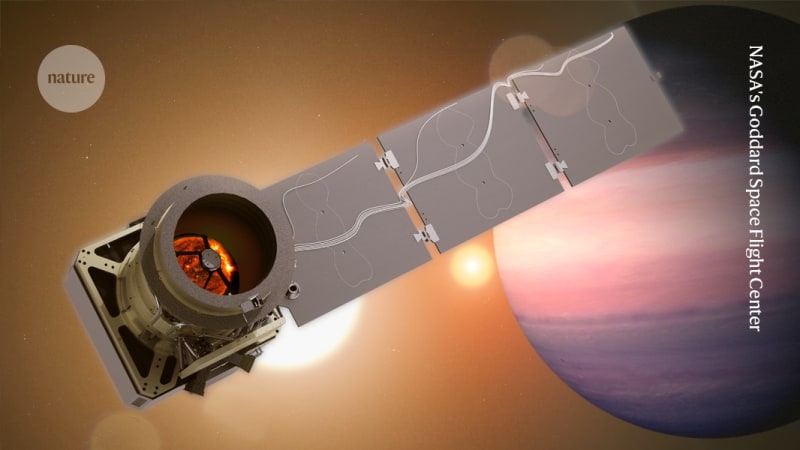
Rae Holcomb, another postdoc who joined as a graduate student, worked with Hord to select the 20 exoplanets Pandora will study. The telescope will observe each planet and its host star for 24-hour stretches, searching for signs of hydrogen or water in their atmospheres.
Their mentors trusted them completely. "Nobody had any reservations about saying, 'You guys understand the mission. You understand the tools. In some cases, you understand them better than the rest of us,'" Holcomb recalls.
The Ripple Effect
The impact goes beyond one successful launch. Early-career researchers on Pandora are learning to run entire space missions, skills they'll carry into future projects for decades.
The program proves that giving young scientists real responsibility doesn't just develop talent—it accelerates innovation. When fresh perspectives meet cutting-edge questions, everyone benefits.
Four satellites are planned across seven Pioneers missions, each designed to answer specific scientific questions while training the next generation of space explorers. Pandora's team didn't just get a seat at the table—they helped choose the menu.
More Images



Based on reporting by Nature News
This story was written by BrightWire based on verified news reports.
Spread the positivity!
Share this good news with someone who needs it