NASA's Prithvi AI Model Now Analyzing Earth From Space
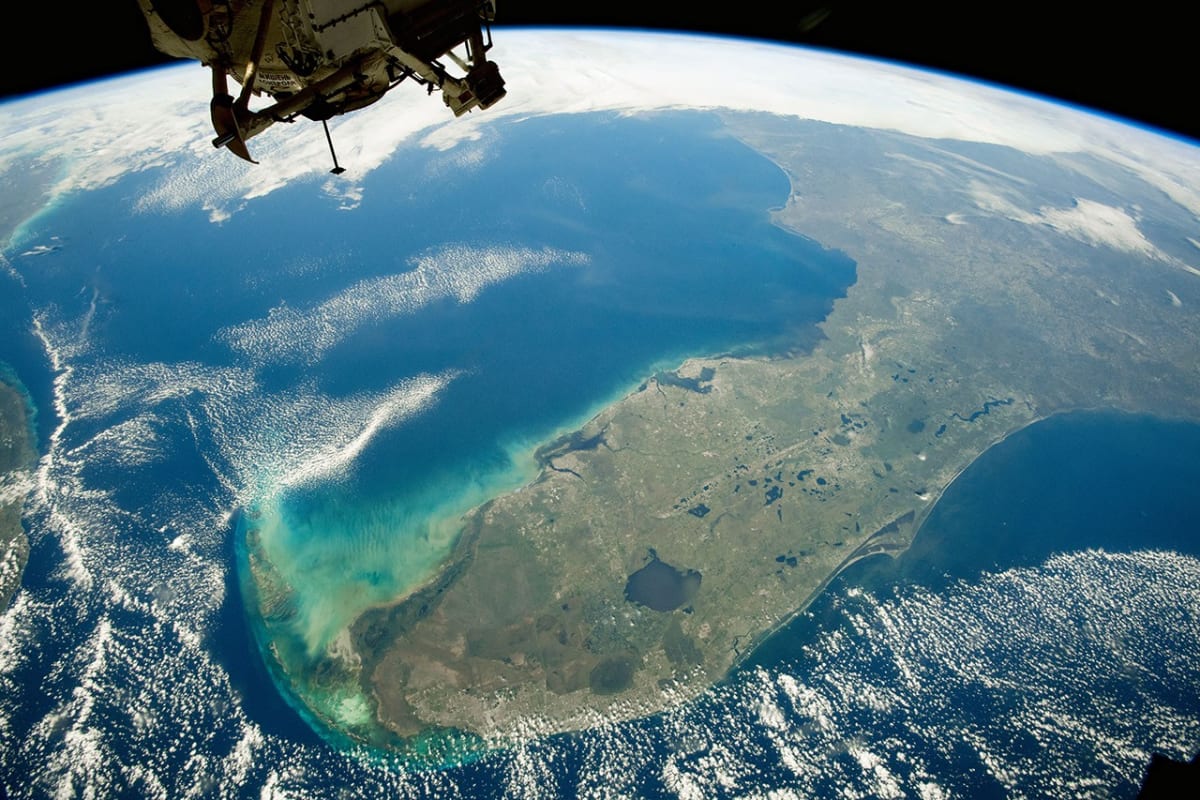
For the first time ever, a powerful AI foundation model is processing Earth observation data directly from orbit, unlocking faster insights about floods, fires, and natural disasters. NASA's open-source Prithvi model just made history aboard the International Space Station.
Imagine if satellites could tell us about floods and wildfires before the images even reach the ground. That future just arrived.
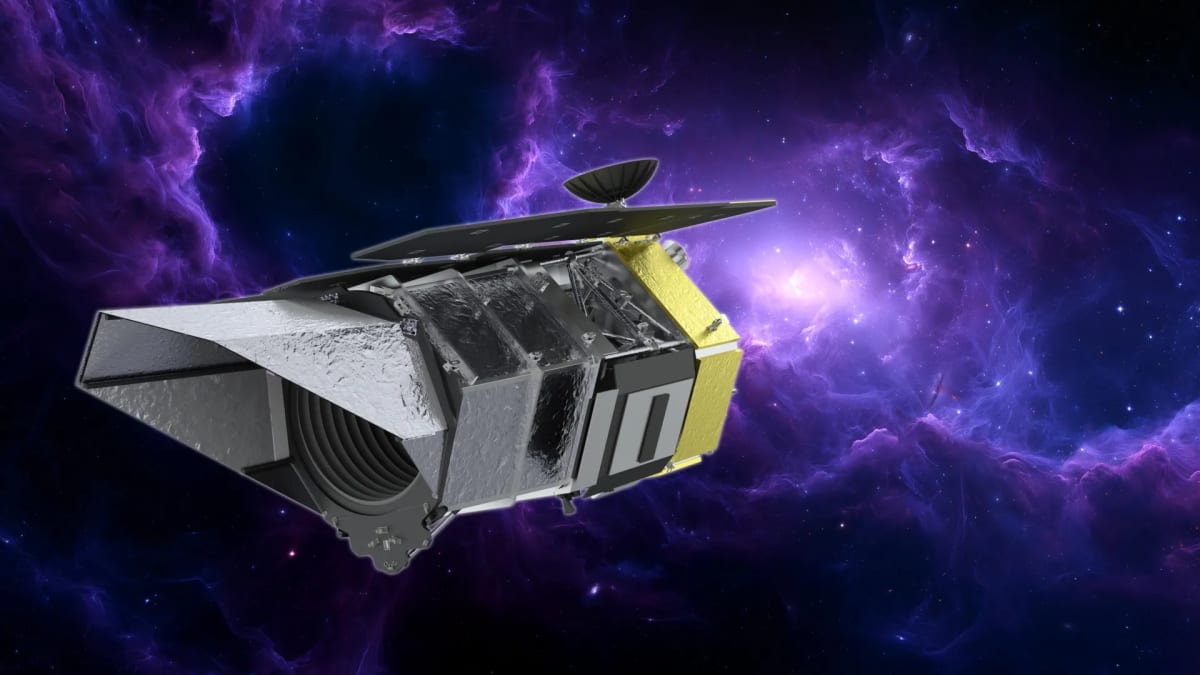
Researchers from Adelaide University successfully deployed NASA's Prithvi AI model to orbit for the first time, loading it onto both a satellite and the International Space Station. The breakthrough means we can now analyze critical Earth observation data in space, getting answers about natural disasters and environmental changes far more quickly than ever before.
Prithvi isn't just any AI program. Trained on 13 years of satellite data from NASA's Landsat and Europe's Sentinel-2 missions, this foundation model can tackle dozens of different tasks, from detecting floods to mapping wildfire burn scars to monitoring crop yields.
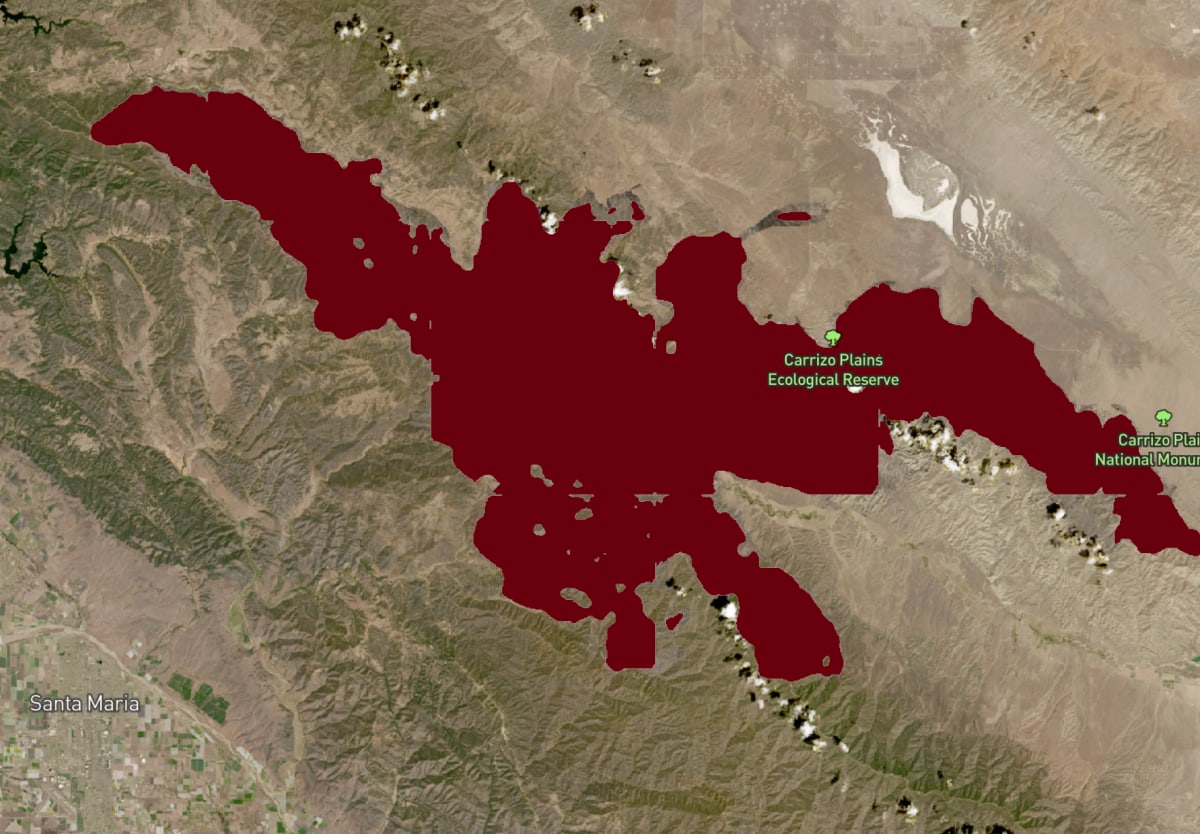
The team tested Prithvi's abilities by having it identify flooding and clouds from orbit across two different platforms. The model successfully predicted flood extents around Lake Norman during Hurricane Helene and detected burn scars from the Gifford Fire near Los Angeles.
What makes foundation models special is their flexibility. Traditional satellite AI programs are built for one specific job and require huge software updates to change tasks. Prithvi can switch between dozens of applications with just a tiny decoder update, using far less bandwidth.
Dr. Andrew Du, the project's lead researcher, credits NASA's open-source approach for making the breakthrough possible. "If Prithvi weren't open source, I would have to train my own foundation model," he said. "Having that model openly available saved a lot of time and effort."
The Ripple Effect
This isn't just about faster data processing. NASA's decision to make Prithvi freely available to anyone accelerates innovation across the entire field of Earth observation.
Scientists worldwide can now adapt the model for their specific needs without starting from scratch. A researcher studying deforestation can use the same foundation model that another team employs for disaster response.
The technology could eventually transform how we interact with satellites altogether. Du envisions a future where operators can simply ask satellites questions in natural language and receive conversational responses about what they're seeing.
NASA's team continues expanding their open-source AI library beyond Earth. They've already released Surya, a foundation model for studying the sun, and plan to create similar tools for planetary science, astrophysics, and biological research.
"By sharing these tools with anyone who wants to use them, we accelerate scientific and technological development into the future," said Kevin Murphy, NASA's chief science data officer.
From space, Prithvi is now watching over our planet, ready to help us respond faster when disasters strike and understand our changing world better than ever before.
More Images


Based on reporting by NASA
This story was written by BrightWire based on verified news reports.
Spread the positivity!
Share this good news with someone who needs it