NASA's Roman Space Telescope Passes All Launch Tests
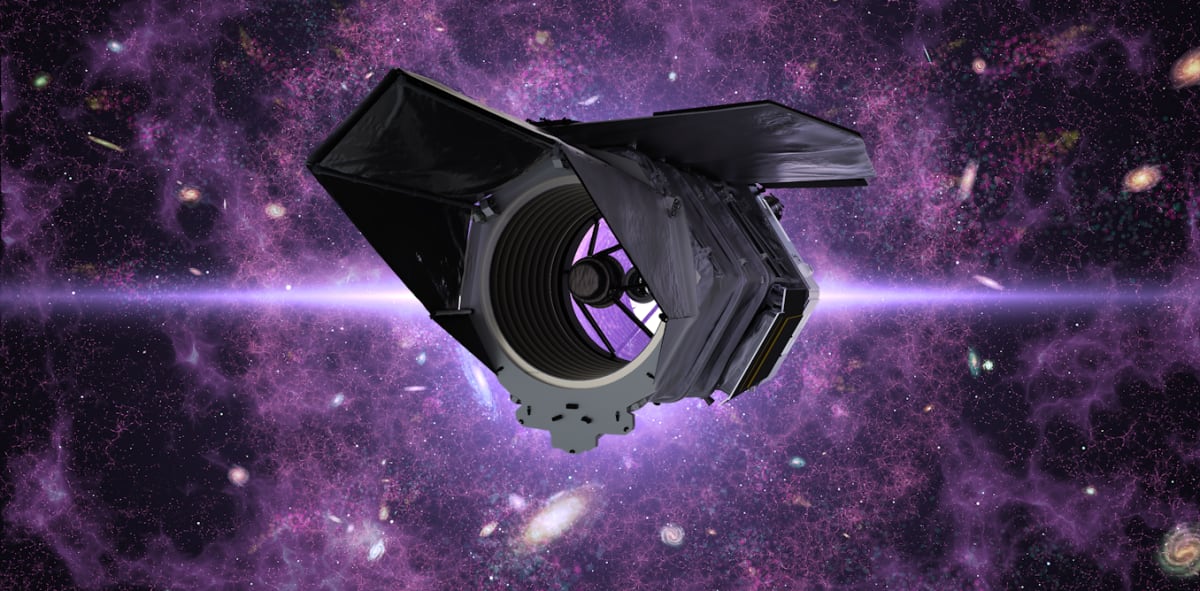
NASA's Nancy Grace Roman Space Telescope just survived a barrage of extreme tests simulating rocket launch conditions, clearing the final major hurdle before its fall 2026 launch. The achievement comes ahead of schedule and marks a rare win for staying on time and on budget in space exploration.
📺 Watch the full story above
A space telescope the size of a school bus just got blasted with sounds as loud as a jet engine, shaken like a paint mixer, and probed for electrical interference—and passed every single test.
NASA's Nancy Grace Roman Space Telescope completed its final major prelaunch assessments in early March, confirming it can withstand the brutal conditions of rocket launch and function perfectly in space. The mission remains on track for launch as early as this fall, with testing progress running well ahead of schedule.
"All of the testing went smoothly and progress is well ahead of schedule," said Jack Marshall, who leads observatory integration and testing at NASA's Goddard Space Flight Center in Maryland. His team has spent months putting the observatory through its paces, and everything is lining up with expectations.
The testing gauntlet started in January with an electromagnetic interference check. Engineers powered on all of Roman's electronics inside a special chamber designed to block external radio signals, measuring every electronic hum and buzz the telescope produced. Too much electrical noise could prevent Roman from detecting faint infrared signals from distant galaxies, but the observatory passed perfectly.
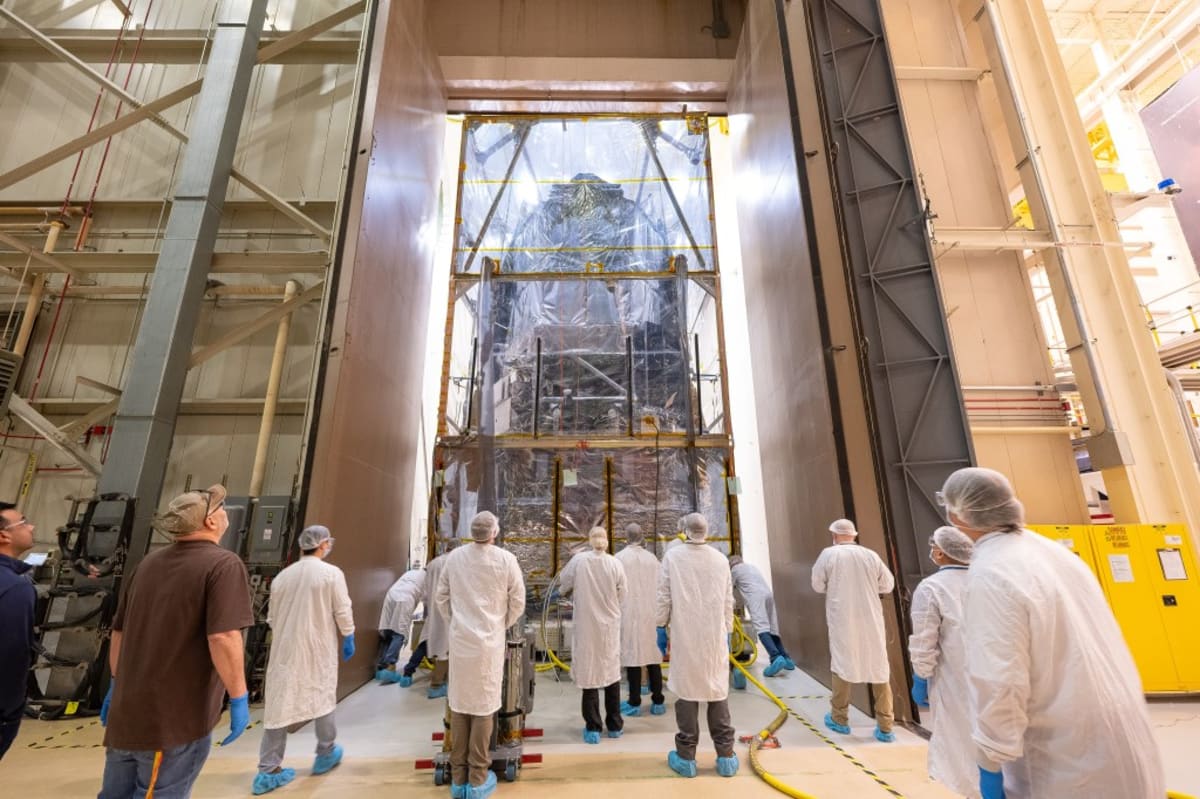
February brought vibration testing on a massive shaker table. Engineers gradually ramped up the intensity to simulate the violent shaking a rocket produces during launch. "Try to imagine sitting on that rocket and feeling all those vibrations," said Cory Powell, Roman's structural analyst lead. The test ensured every component and connection will stay intact during the real thing.
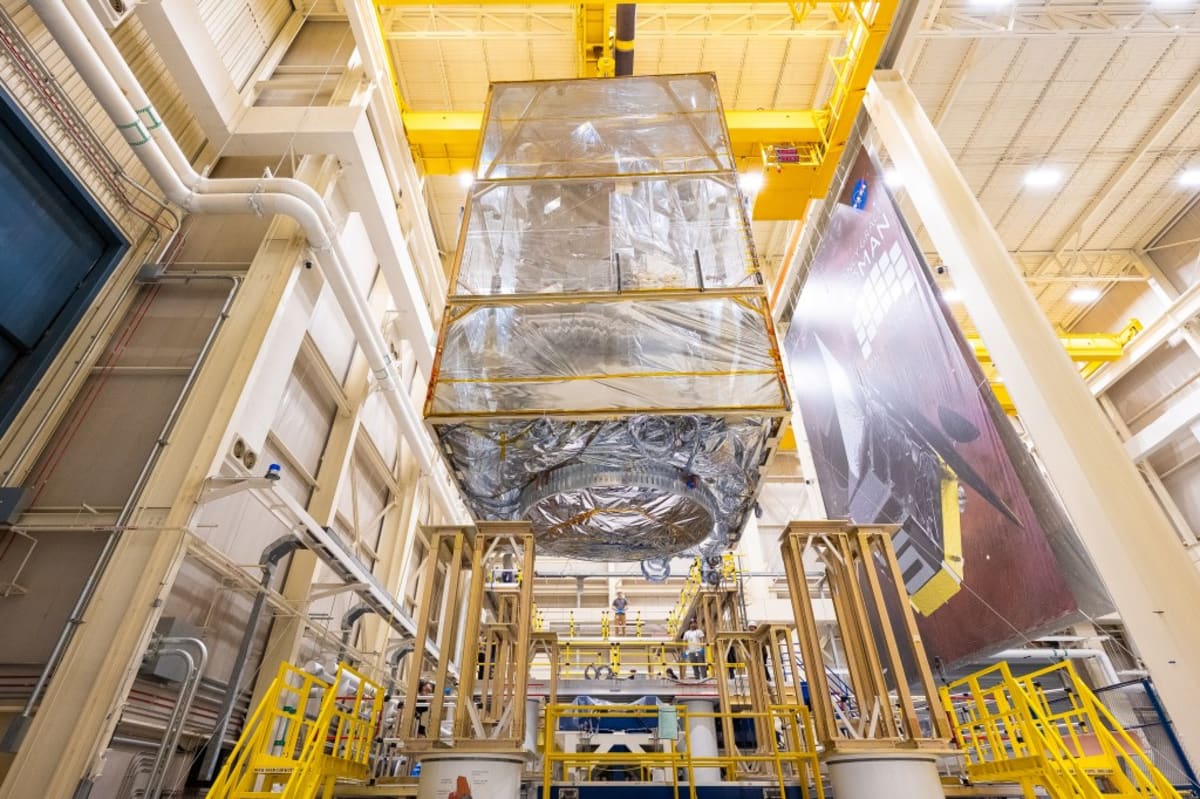
The final test in early March pushed Roman to its acoustic limits. Inside a state-of-the-art sound booth, engineers cranked the volume to 138 decibels—roughly as loud as standing 100 feet from a jet engine. "If you've ever been at a concert with an extremely loud bass, that load you felt was acoustic energy," Powell explained. Rocket launches produce acoustic waves powerful enough to damage large structures, so Roman needed to prove it could handle the punishment.
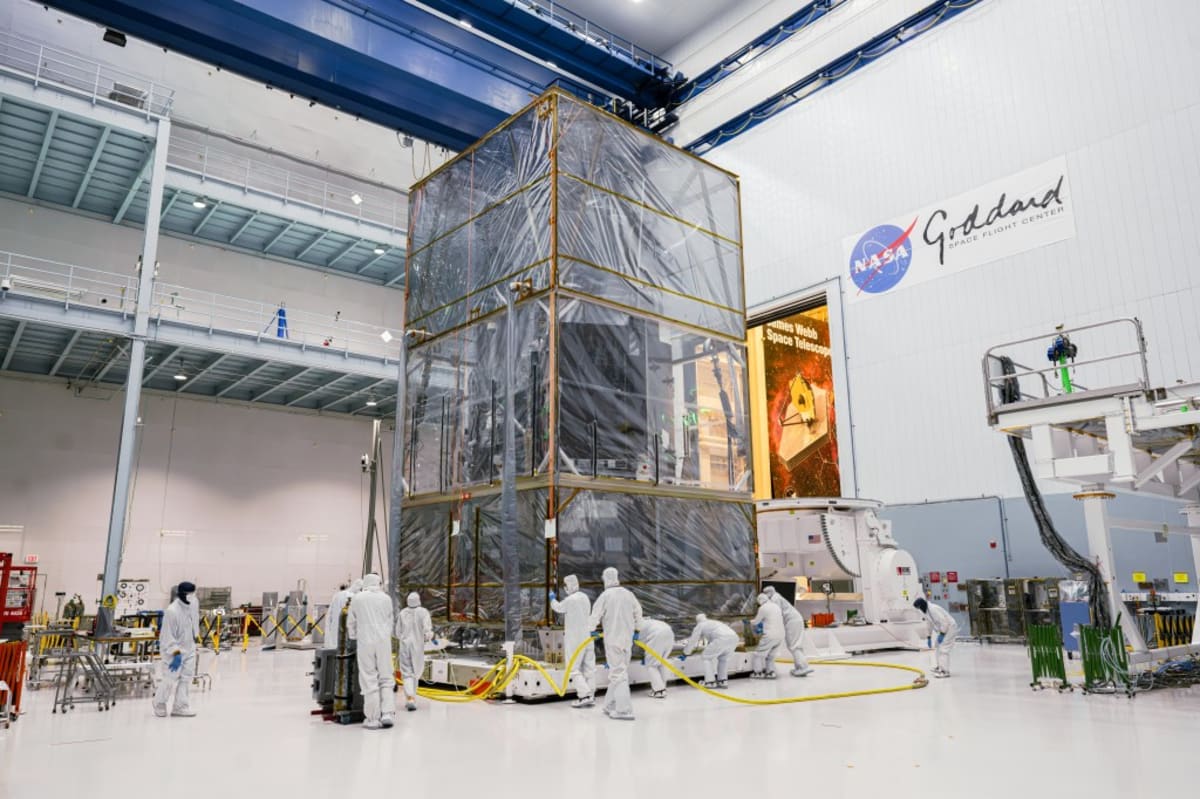
Between each test, technicians moved the observatory in a custom portable clean room to prevent contamination that could compromise its scientific performance. The careful handling paid off—Roman now heads into its final series of smaller tests before summer.
The Ripple Effect
Roman's success represents more than just one telescope reaching the launch pad. The team takes pride in meeting cost and schedule commitments without compromising technical standards, setting an example in an industry often plagued by delays and budget overruns. "We have a great team, great leadership, and with our successful testing we continue to set the standard," Powell said.
Early this summer, Roman will travel to NASA's Kennedy Space Center in Florida for final launch preparations aboard a SpaceX Falcon Heavy rocket. Engineers will verify the observatory survived the journey, then prep it for its journey to space within a few months.
The telescope will spend years scanning the skies, helping scientists understand dark energy, discover distant planets, and map our Milky Way galaxy in unprecedented detail—all because a dedicated team made sure it could survive the ride there first.
More Images

Based on reporting by NASA
This story was written by BrightWire based on verified news reports.
Spread the positivity!
Share this good news with someone who needs it