NASA's Roman Telescope Will Map 1,000x Faster Than Hubble
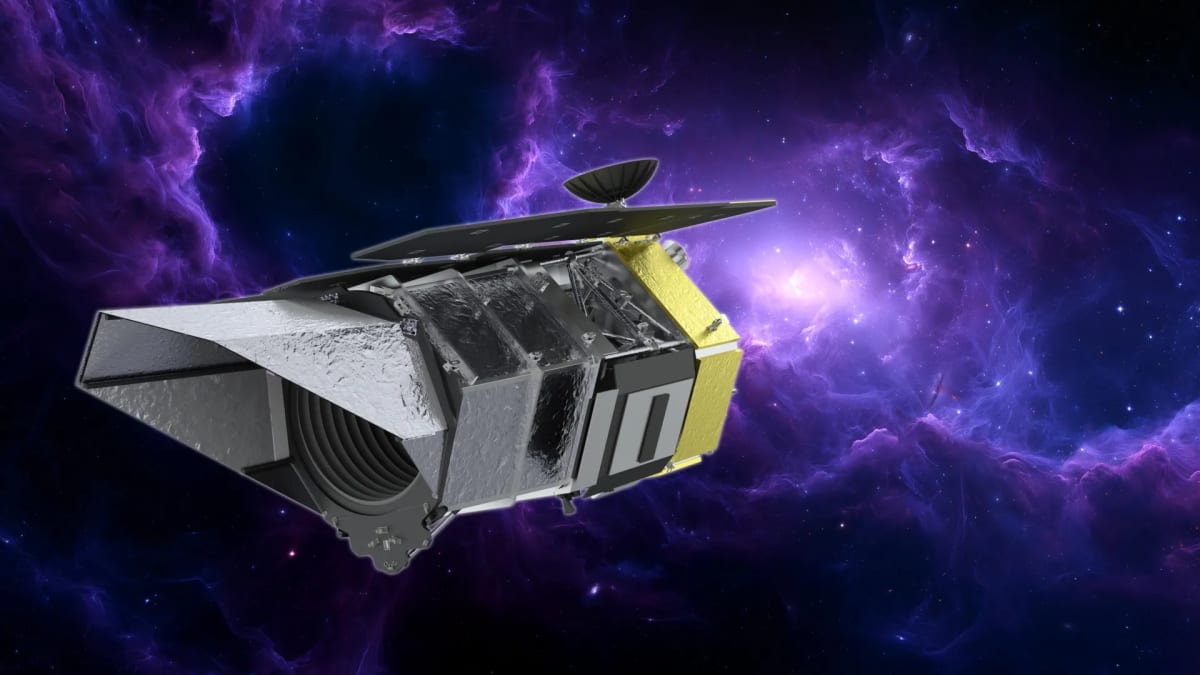
NASA's upcoming Roman Space Telescope won't replace Hubble, but it will revolutionize how we explore the universe by capturing sky patches 100 times larger in a single shot. Same mirror size, completely different superpower.
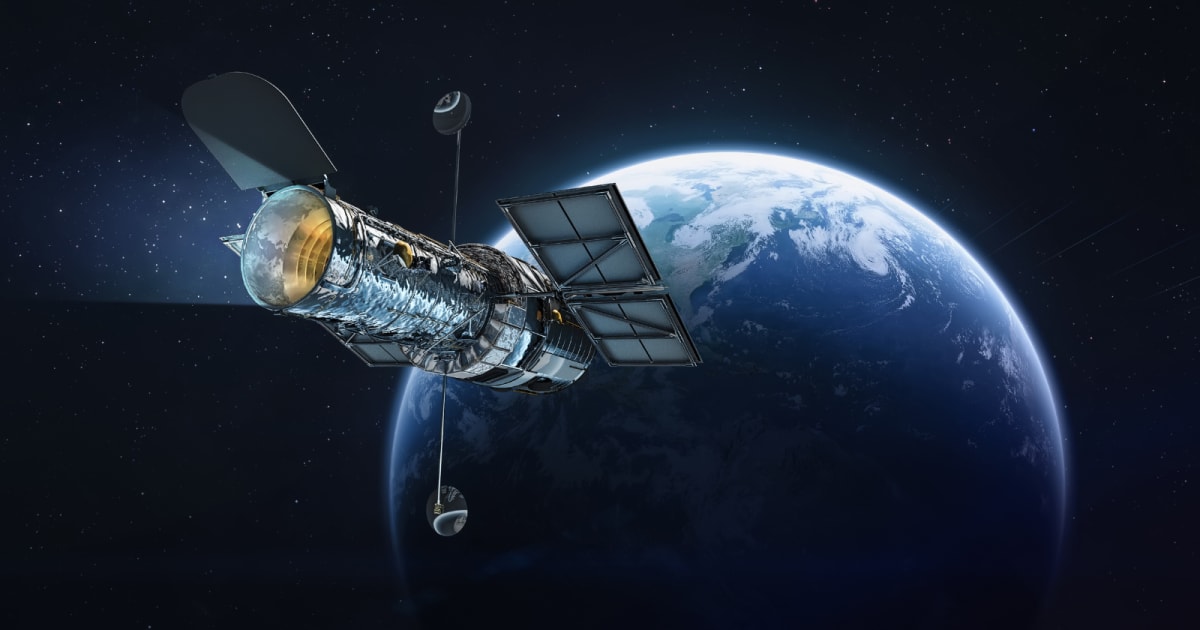
Imagine two photographers at a concert: one zooms in for stunning portraits of individual faces, while the other captures the entire crowd in breathtaking detail. That's the difference between Hubble and NASA's upcoming Roman Space Telescope.
Roman launches with the same 7.9-foot mirror as Hubble, but here's the twist: it will survey the sky up to 1,000 times faster. The secret isn't a more powerful eye or deeper vision. It's width.
Each Roman image captures a patch of sky larger than the full moon. Hubble's infrared images? About 200 times smaller. Even Hubble's widest shots are nearly 100 times smaller than what Roman will grab in one exposure.
NASA projects that Roman will image more sky in its first five years than Hubble covered in its first 30 years. The difference comes down to a 300-megapixel infrared camera designed for one job: mapping huge regions of space without sacrificing sharpness.
One NASA comparison shows what this means in practice: an area that took Hubble's Wide Field Camera 3 hundreds of pointings to cover, Roman could capture with just two shots. That efficiency doesn't just save time. It opens entirely new kinds of science.
Why This Inspires
Roman's wide view transforms how astronomers can study the universe. Questions about dark energy, galaxy distribution, and planetary systems don't need a handful of perfect examples. They need millions of data points. They need statistics. They need area.
Finding rare cosmic events becomes possible when you're watching more sky at once. Measuring how matter spreads across the universe requires vast surveys. Understanding how many planets exist in different star systems demands repeated observations of countless stars. Roman makes all of this achievable within reasonable timeframes.
This isn't about making Hubble obsolete. Hubble remains one of the most precise observatories ever built, perfect for examining individual targets with exceptional detail. Webb excels at ultra-deep infrared work, peering at the faintest, most distant objects. Roman fills a different role: building huge maps that reveal where interesting objects are and how they fit into larger patterns.
Think of it as a division of labor rather than competition. Roman can sweep vast regions to identify what deserves closer inspection. Then Hubble, Webb, or ground-based telescopes can zoom in on the most intriguing discoveries.
The telescope represents a shift in how we explore space. Instead of painstakingly stitching together thousands of narrow views, astronomers will get their first pass at cosmic scale. The universe won't look deeper through Roman's eyes. It will look wider, revealing patterns and populations that narrow fields could never efficiently capture.
Roman doesn't win by staring harder at single spots. It wins by watching more sky at once, turning rare cosmic phenomena into countable, studyable events that help us understand our place in the cosmos.
More Images



Based on reporting by Google News - Science
This story was written by BrightWire based on verified news reports.
Spread the positivity!
Share this good news with someone who needs it