NASA's X-59 Jet Breaks Sound Barrier With a Whisper
NASA just tested a revolutionary jet that flies twice as fast as commercial planes but replaces the deafening sonic boom with a gentle thud. The breakthrough could finally make supersonic flight practical over land.
Imagine crossing the country in half the time without rattling windows or startling neighborhoods below. NASA just brought that future closer to reality with successful test flights of its X-59 jet over California's Mojave Desert.
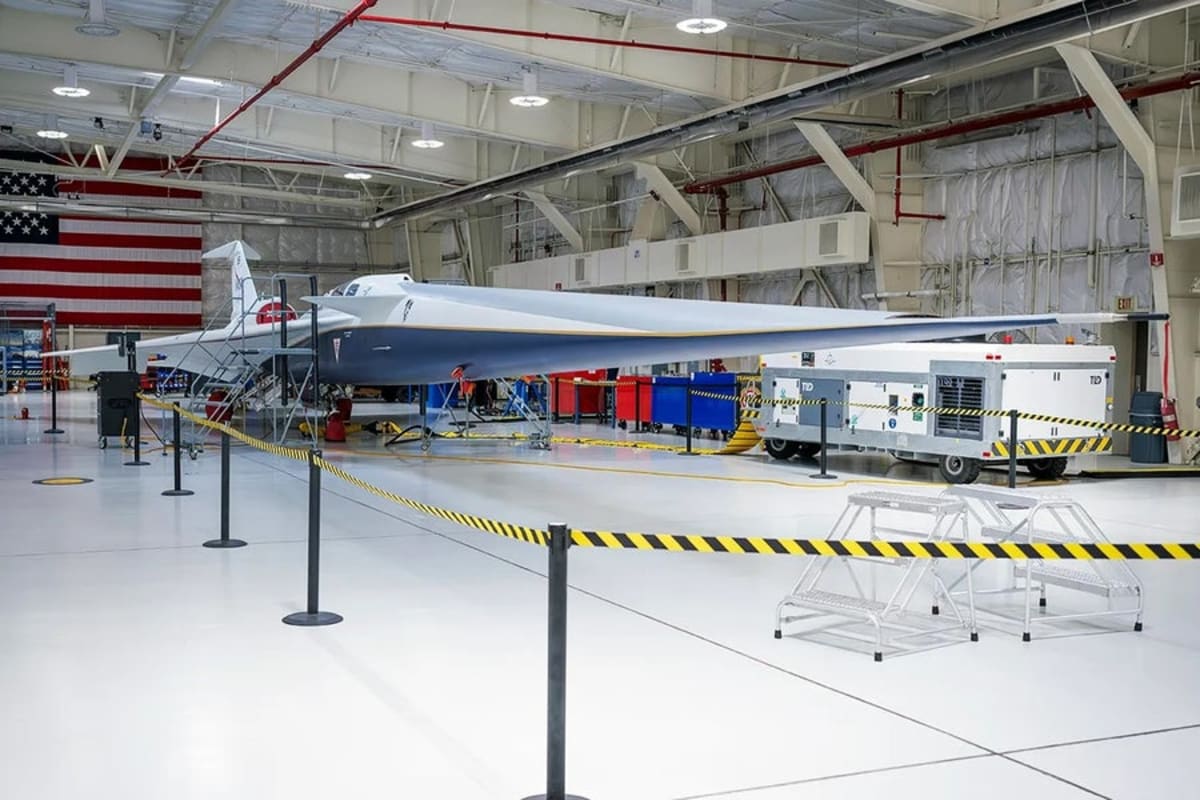
The sleek aircraft traveled faster than the speed of sound while producing only a soft "thump" instead of the thunderous sonic boom that has kept supersonic jets banned over land for decades. NASA engineers designed the plane with a needle-like nose that slices through air differently, creating a sound as quiet as distant thunder or a car door closing down the street.
Traditional supersonic flight creates powerful shock waves that generate booms loud enough to damage buildings and disturb wildlife. That's why the iconic Concorde could only fly these speeds over oceans, limiting its usefulness. The X-59 solves this fundamental problem.
New footage released Thursday shows the experimental jet performing rolls, climbs, and landing gear tests at over 1,000 miles per hour. That's roughly twice the speed of today's commercial flights, meaning a coast-to-coast trip could take just over two hours instead of five.
The testing took place at NASA's Armstrong Flight Research Center in Edwards, California. Engineers have spent years perfecting the design to achieve both speed and quiet operation.
The Ripple Effect
This technology could transform how we travel and connect. Business meetings across continents become easier. Families separated by distance get more time together. Emergency medical transport reaches patients faster.
NASA plans to fly the X-59 over select U.S. neighborhoods next, surveying residents about the noise levels they experience. If people find the sound acceptable, regulators could lift the decades-old ban on supersonic flight over land.
The project represents years of research into aerodynamics, materials science, and acoustic engineering. What seemed impossible when sonic booms first shook communities in the 1960s now appears within reach.
Airlines have already expressed interest in quieter supersonic technology for future passenger jets. Several companies are developing commercial designs that could use similar principles to the X-59.
The breakthrough proves that environmental concerns and technological progress don't have to conflict. Sometimes innovation means making things quieter, not just faster.
A future where supersonic travel works for everyone, not just over empty oceans, just got a little bit closer.
More Images
Based on reporting by Scientific American
This story was written by BrightWire based on verified news reports.
Spread the positivity!
Share this good news with someone who needs it