NASA's X-59 Reaches Supersonic Speed Without the Boom
NASA's experimental X-59 aircraft just hit 924 mph at 55,000 feet without creating a thunderous sonic boom. The breakthrough brings us closer to quiet supersonic passenger flights over land.
Flying faster than sound without rattling windows across entire cities just became reality.
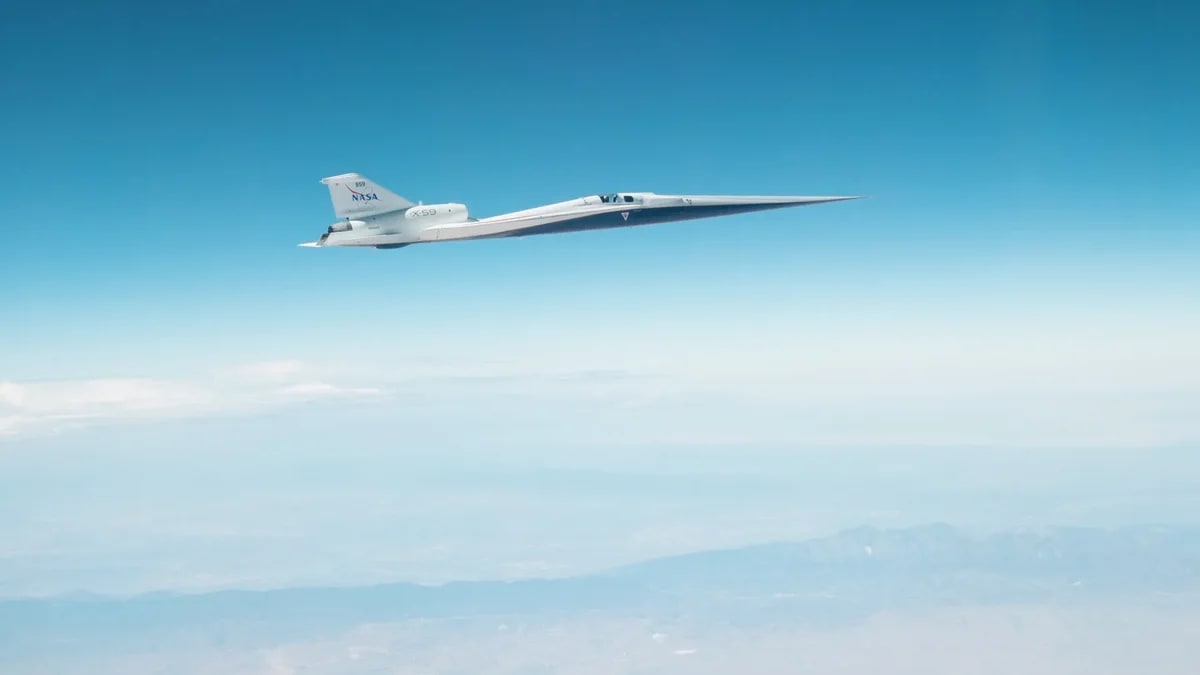
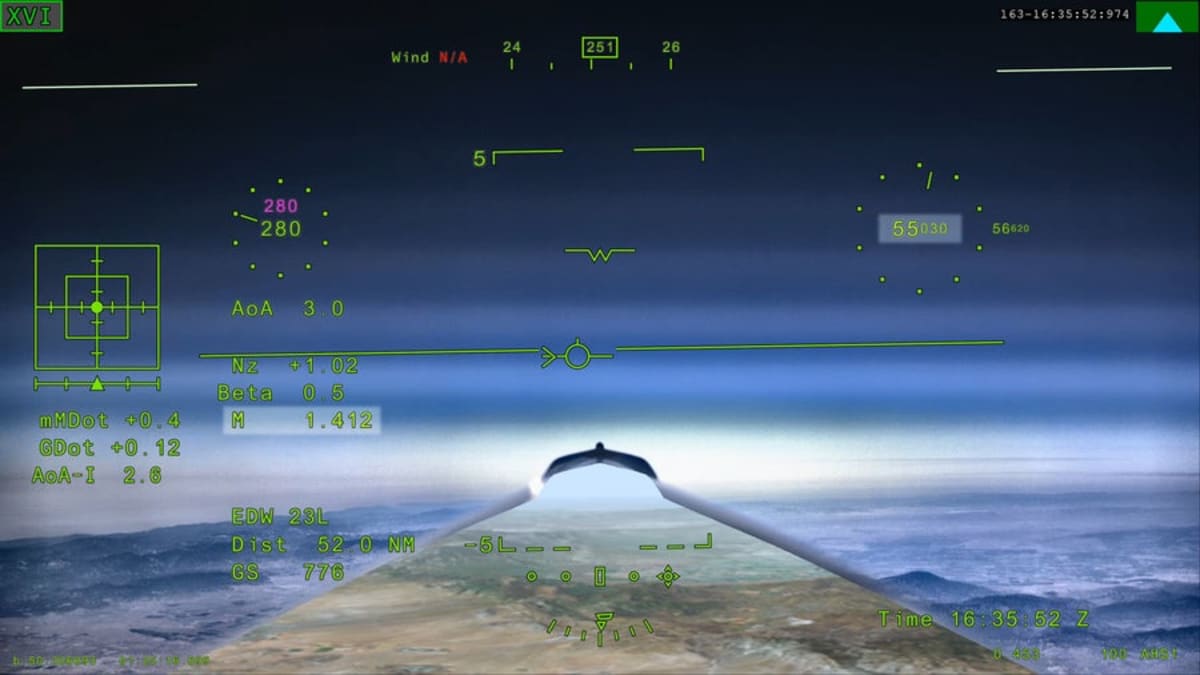
NASA's X-59 research aircraft reached Mach 1.4 (about 924 miles per hour) at 55,000 feet on Friday, hitting the exact speed and altitude needed for future flights over populated areas. The best part? It did so while generating only a quiet "sonic thump" instead of the ear-splitting boom that grounded supersonic passenger travel two decades ago.
When regular planes break the sound barrier, they create pressure waves that slam together into a cone-shaped shock wave. If that cone touches the ground, you get a sonic boom loud enough to shake buildings. Those explosive bangs are why the Concorde, the world's only supersonic passenger jet, stopped flying in 2003.
The X-59 solves this problem with clever design. Its extra-long nose spreads out those pressure waves before they can merge into a boom. The result sounds more like distant thunder or a car door closing down the street.
An F-15 fighter jet has been flying alongside the X-59 during these test flights, but its traditional sonic booms have drowned out whatever sound the X-59 makes. NASA plans to mount special sensors on the F-15 to measure the X-59's shock wave signature and confirm it's as quiet as designed.
This Friday flight marked the second major milestone in just days for the experimental aircraft. The plane had only recently achieved supersonic speeds for the first time, and now it's flying at the specific conditions needed for the real test.
Why This Inspires
This isn't just about faster flights. NASA is preparing to fly the X-59 over actual communities to gather feedback from people on the ground about what they hear. That data could rewrite aviation regulations that currently ban supersonic flight over land.
Imagine cutting a six-hour cross-country flight down to three hours without disturbing anyone below. Business travelers could reach distant cities in half the time. Families could visit loved ones across the country and be home the same day. Emergency medical flights could save more lives.
The technology also shows how patient innovation pays off. Engineers spent years designing, testing, and refining this aircraft to solve a problem that seemed impossible to fix.
NASA says each flight brings them closer to reshaping commercial aviation. After the shock wave tests, they'll fly at different speeds and altitudes to map exactly how quiet the aircraft performs under various conditions.
The future of supersonic travel isn't just fast anymore. It's finally quiet enough to fly anywhere.
More Images


Based on reporting by Scientific American
This story was written by BrightWire based on verified news reports.
Spread the positivity!
Share this good news with someone who needs it