NASA's X-59 Supersonic Jet Gets Flying Bodyguard
NASA's groundbreaking quiet supersonic aircraft is making history over California with a fellow pilot flying alongside as its safety guardian. The X-59 could soon make commercial supersonic flight over land a reality without the disruptive sonic boom.
📺 Watch the full story above
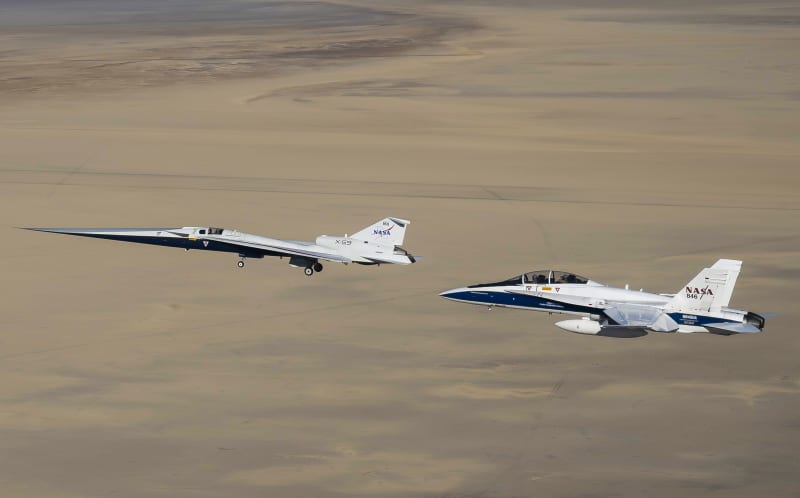
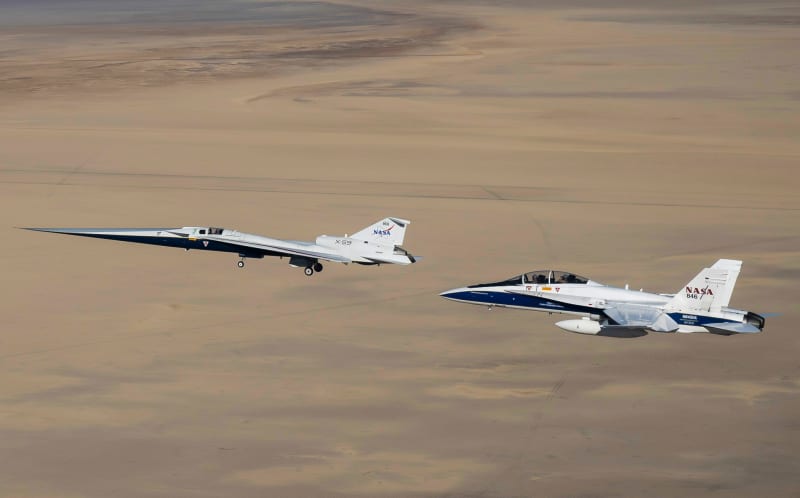
When NASA's experimental X-59 soared over California's high desert in October 2025, it wasn't flying solo. A second pilot in a chase aircraft stayed close behind, serving as an airborne safety guardian for one of aviation's most exciting breakthroughs.
The X-59 is designed to break the sound barrier without the ear-splitting sonic boom that has banned supersonic flight over land for decades. Instead, it produces a gentle sonic "thump" that could revolutionize air travel.
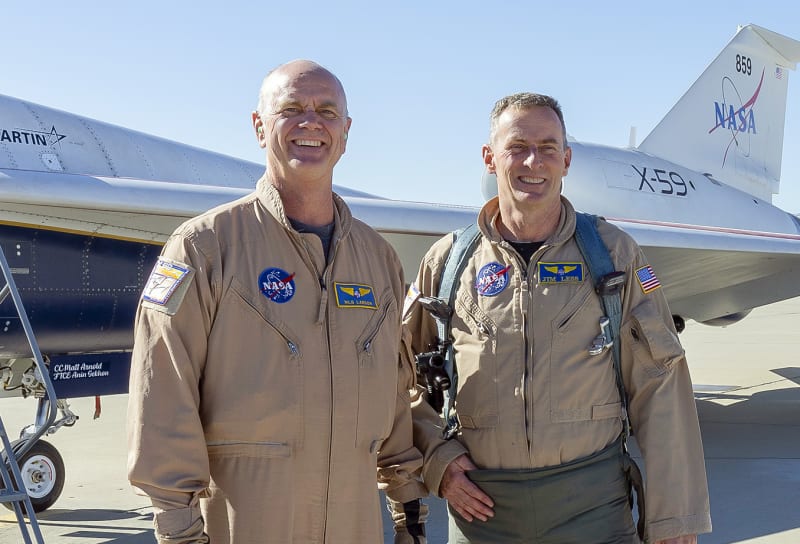
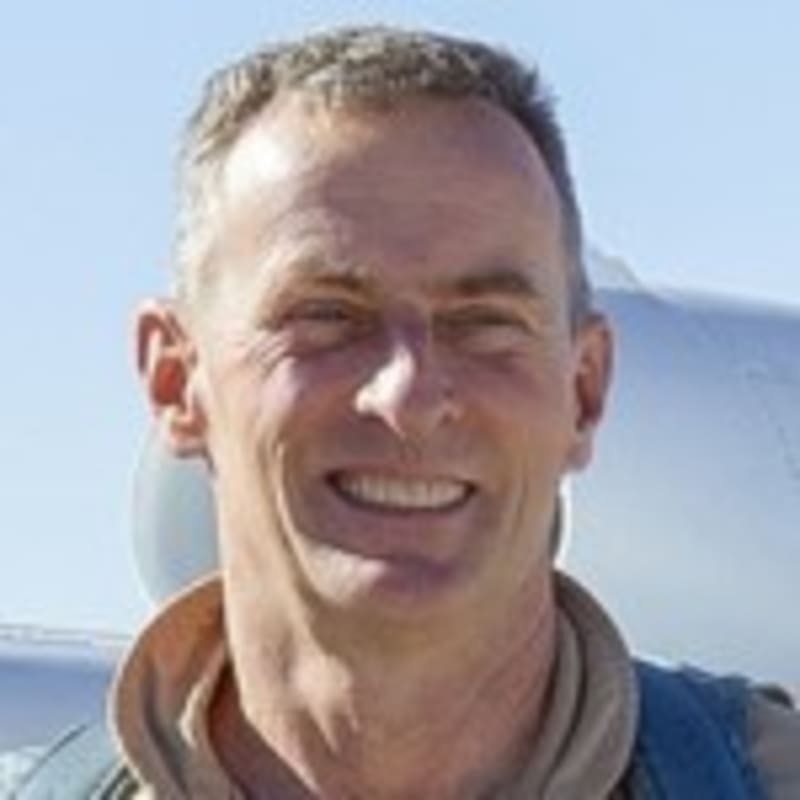
Test pilot Jim "Clue" Less flew the chase aircraft during the X-59's first flight, keeping watch while NASA pilot Nils Larson commanded the experimental jet. Less monitored weather, handled communications with air traffic control, and watched for any issues that could signal trouble.
"All this helps reduce the test pilot's workload so he can concentrate on the actual test mission," said Less, a NASA research pilot with 21 years of Air Force flying experience. The two pilots now take turns flying each aircraft as testing continues through 2026.
The chase aircraft typically cruises about 500 to 1,000 feet away from the X-59. But during that first flight, Less moved within a single wingspan to compare instrument readings and help calibrate the X-59's systems.
NASA uses two types of chase aircraft for different missions. The nimble F/A-18 Hornet excels at lower speeds and carries photographers in its two-seat cockpit. The faster F-15 Eagle can match the X-59 at supersonic speeds and carries special sensors to measure its shock waves.
Those measurements matter because they'll prove whether the X-59 truly delivers on its promise of quiet supersonic flight. The data gathered will help NASA's Quesst mission demonstrate that faster-than-sound travel over land can happen without disturbing people below.
The Ripple Effect
This isn't just about one experimental aircraft. If the X-59 succeeds, it could reshape commercial aviation and bring supersonic passenger flights to routes that have been off-limits for half a century.
Imagine flying from New York to Los Angeles in three hours instead of six, or crossing the country for a business meeting and returning home the same day. Cities currently separated by long flights could become close neighbors.
The partnership between these two aircraft represents decades of flight testing tradition, dating back to NASA's predecessor agency. Chase pilots have served as flying safety officers since the earliest experimental jets pushed the boundaries of speed and altitude.
Now, as the X-59 continues its test flights over Edwards Air Force Base, that same careful approach is paving the way for a quieter, faster future in the skies. Every successful flight brings commercial supersonic travel one step closer to reality.
More Images

Based on reporting by NASA
This story was written by BrightWire based on verified news reports.
Spread the positivity!
Share this good news with someone who needs it