Nashville Zoo Celebrates 50th Clouded Leopard Cub Birth
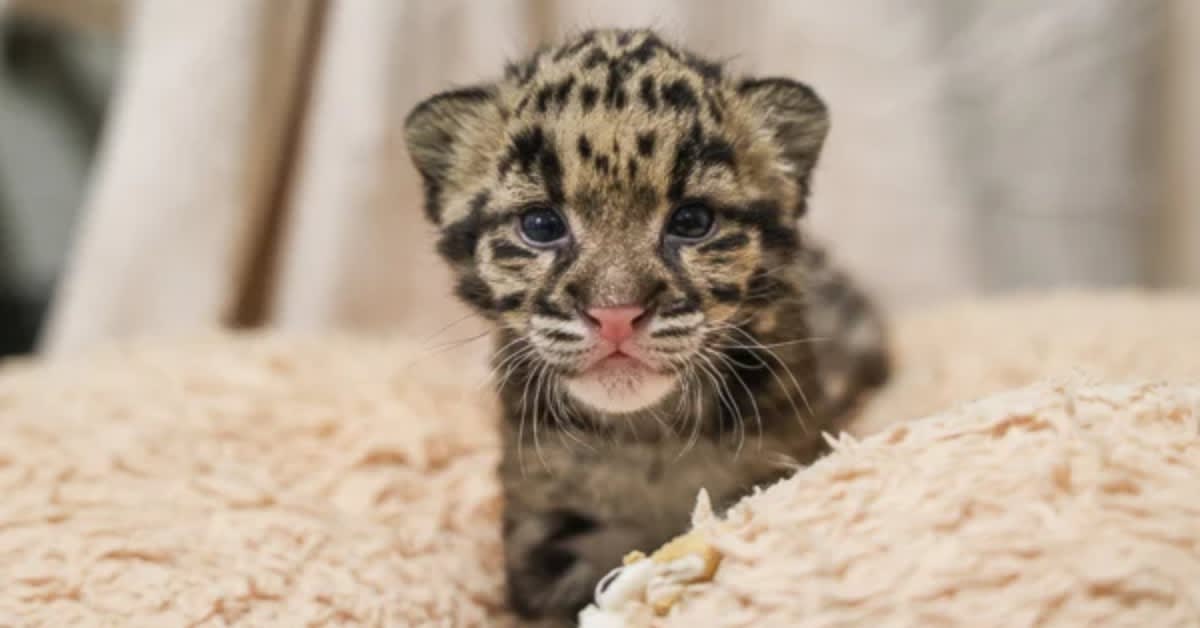
The Nashville Zoo just welcomed its 50th clouded leopard cub in 35 years, a major milestone for saving one of the world's rarest cats. With only 10,000 of these elusive leopards left in the wild, this tiny cub represents hope for an entire species.
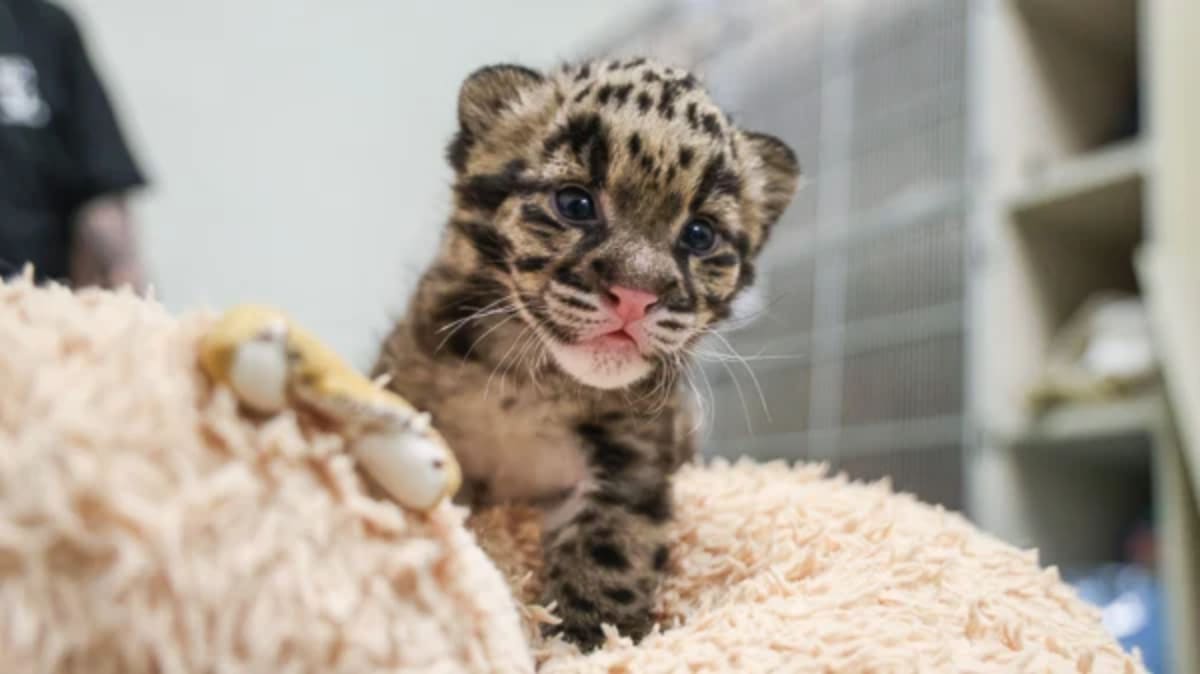
A tiny clouded leopard cub weighing just over two pounds is making big waves in wildlife conservation. The Nashville Zoo recently celebrated the birth of its 50th clouded leopard cub, capping off 35 years of dedicated breeding efforts for one of Earth's most mysterious felines.
Dr. Heather Schwartz, the zoo's director of animal health, has spent 16 years hand-raising these rare cats. "We were very excited to have her join our team," she said, cradling the tiny cub who will eventually grow to about 30 pounds like her mother, Jewels.
The milestone matters more than you might think. Only about 10,000 clouded leopards remain in Southeast Asian forests across Nepal, India, Bangladesh, Thailand, Malaysia, and China. Decades of poaching, habitat loss, and wildlife trafficking have pushed these elusive cats onto the vulnerable species list.
Of the 64 clouded leopards currently in North American zoos, Nashville has produced 50 of them. The zoo leads the Association of Zoos and Aquariums' Species Survival Plan, using specialized breeding techniques that have cracked the code on raising these notoriously difficult cats in captivity.
The secret? Introducing male and female cubs to each other early so they bond young. Clouded leopards typically struggle in captivity due to male aggression and parental neglect, but Nashville's approach has proven remarkably successful.
The zoo helped create the Clouded Leopard Consortium in 2002, partnering with Thailand's national forest zoo and other institutions. This collaboration has stabilized local populations and taught researchers crucial lessons about clouded leopard behavior.
Four cubs born or acquired last year are already paired up and growing together in the zoo's Critter Encounter and Bamboo Forest habitats. Visitors can watch these future parents develop the bonds that will help their species survive.
The Ripple Effect
The impact extends beyond zoo walls. Nashville's breeding success is preserving genetic diversity and teaching scientists how to protect clouded leopards in the wild. The knowledge gained from hand-raising 50 cubs has informed conservation strategies across Southeast Asia.
Anyone wanting to help can make a simple choice at the grocery store. Half of all supermarket products contain palm oil, and its production destroys clouded leopard habitat. Choosing products made with sustainable palm oil directly protects the forests these rare cats call home.
This newest cub may be small, but she carries the hopes of conservationists worldwide on her tiny shoulders.
More Images

Based on reporting by Good Good Good
This story was written by BrightWire based on verified news reports.
Spread the positivity!
Share this good news with someone who needs it