Native Americans Played Dice 12,000 Years Ago
Ancient Native Americans were rolling dice and playing games of chance thousands of years before anyone in the Old World, rewriting what we thought we knew about early probability. These weren't just simple toys but sophisticated social tools that built bridges between communities.
Historians just got a major wake-up call about who invented dice first, and the answer reaches back to the Ice Age.
New research published in American Antiquity reveals that Native Americans were playing with dice over 12,000 years ago. That's thousands of years before the earliest known dice in Europe or Asia, completely flipping the traditional narrative that probability games were an Old World innovation.
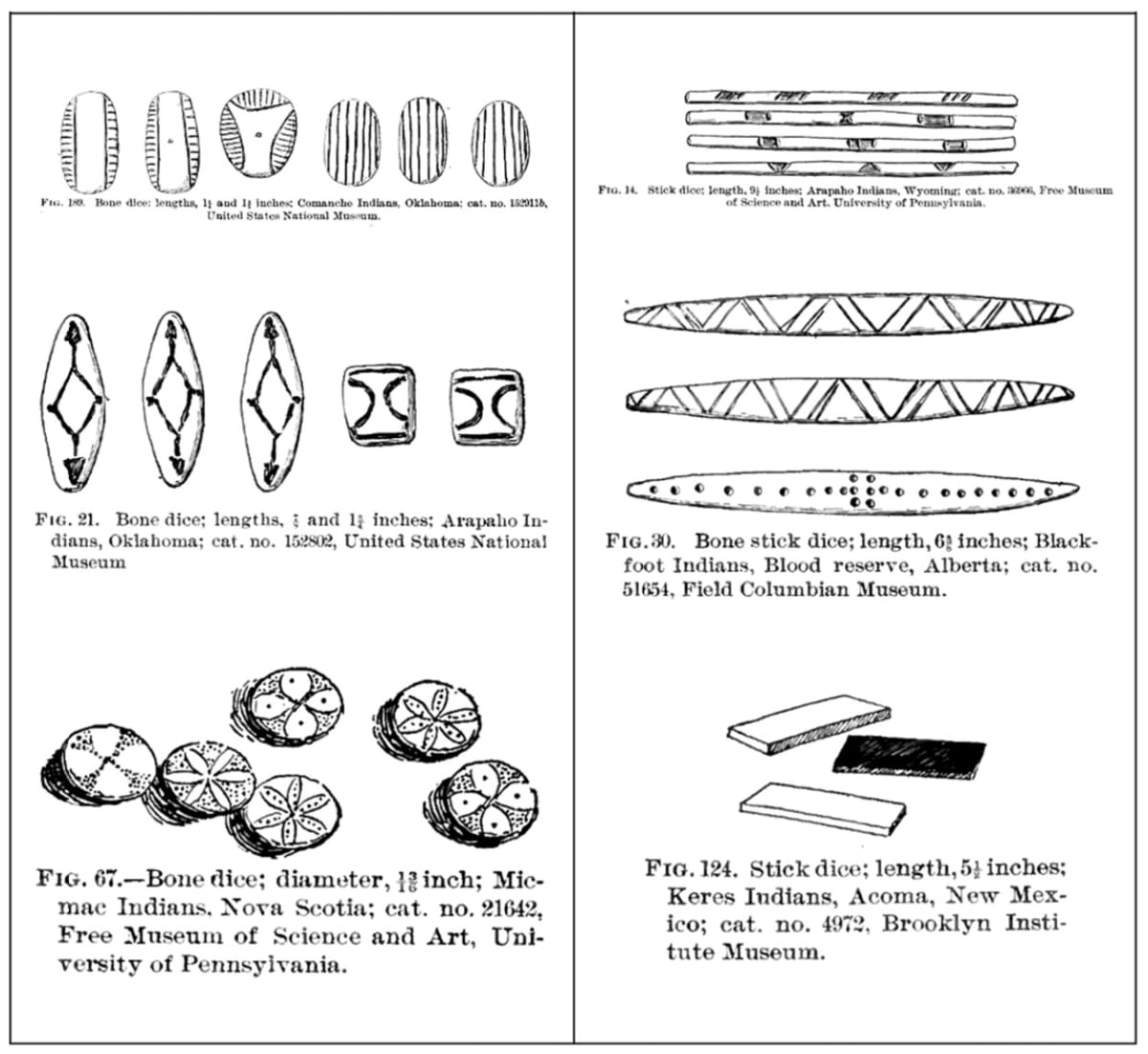
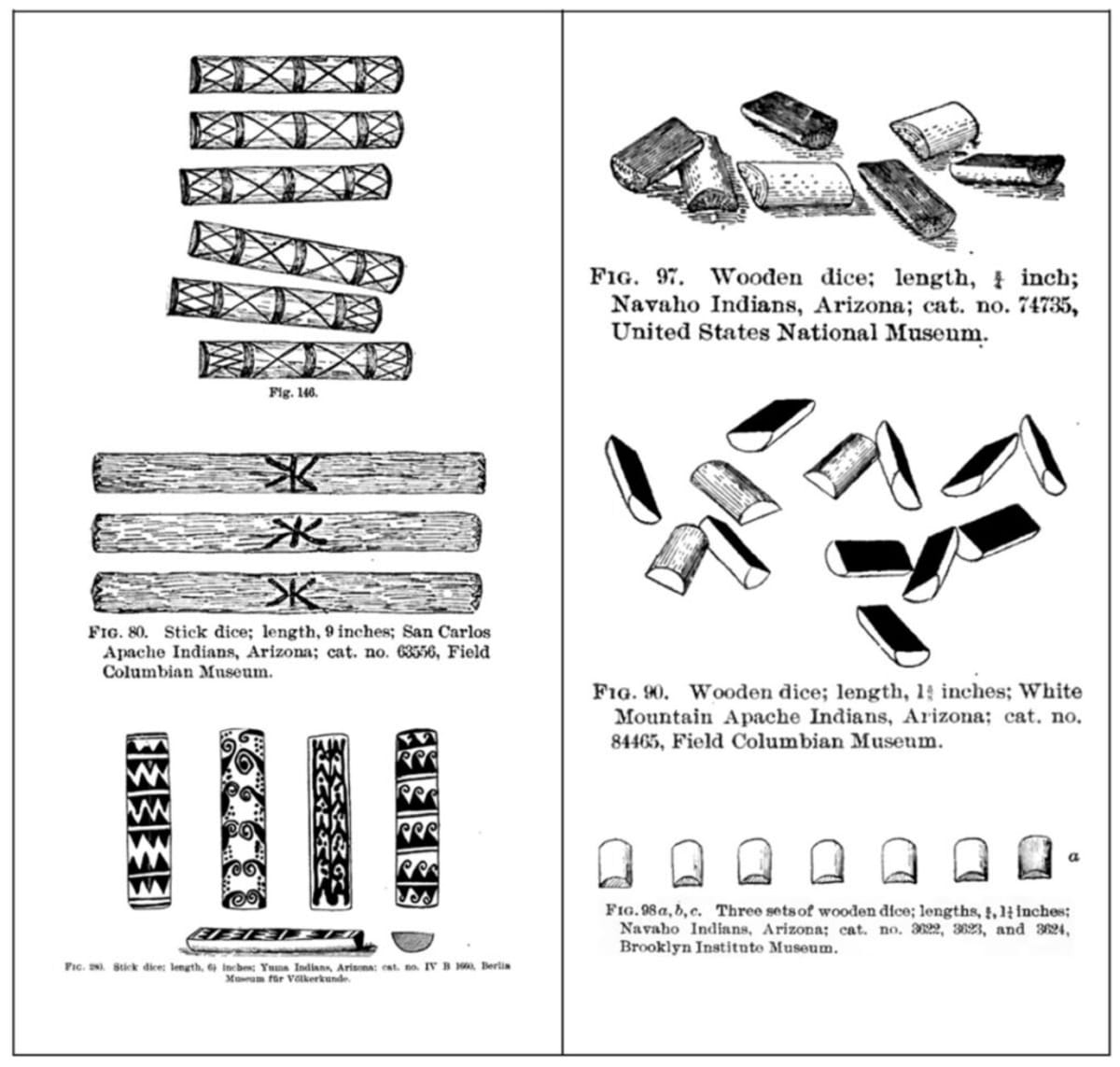
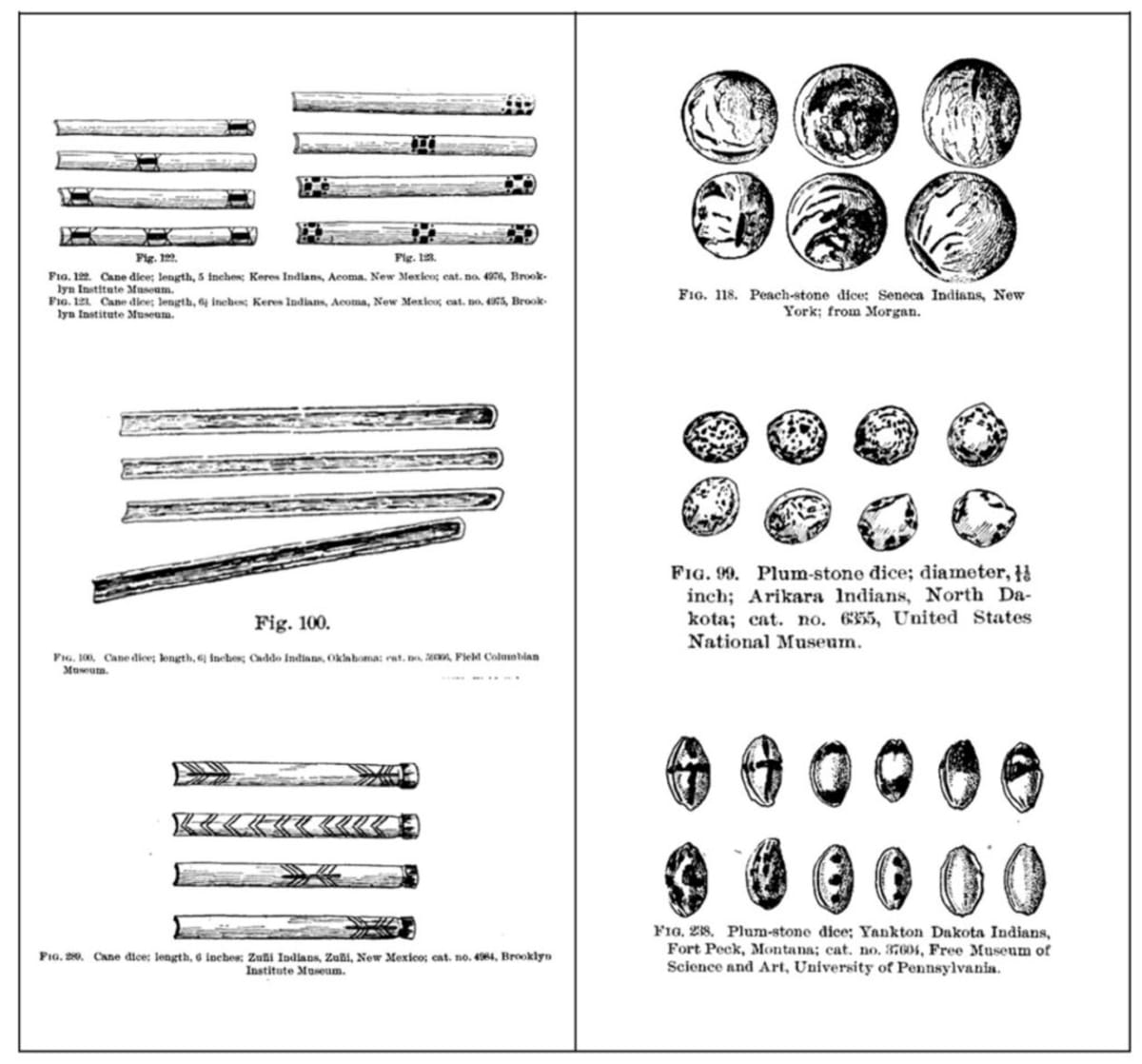
Robert Madden, a graduate student at Colorado State University, made the discovery by examining artifacts that archaeologists had already dug up but hadn't fully understood. He created a simple test based on a legendary 1907 study of Native American games: the objects had to be two-sided, clearly marked on one side, shaped to be thrown easily, and fit into one of four categories like flat bone dice or marked plum stones.
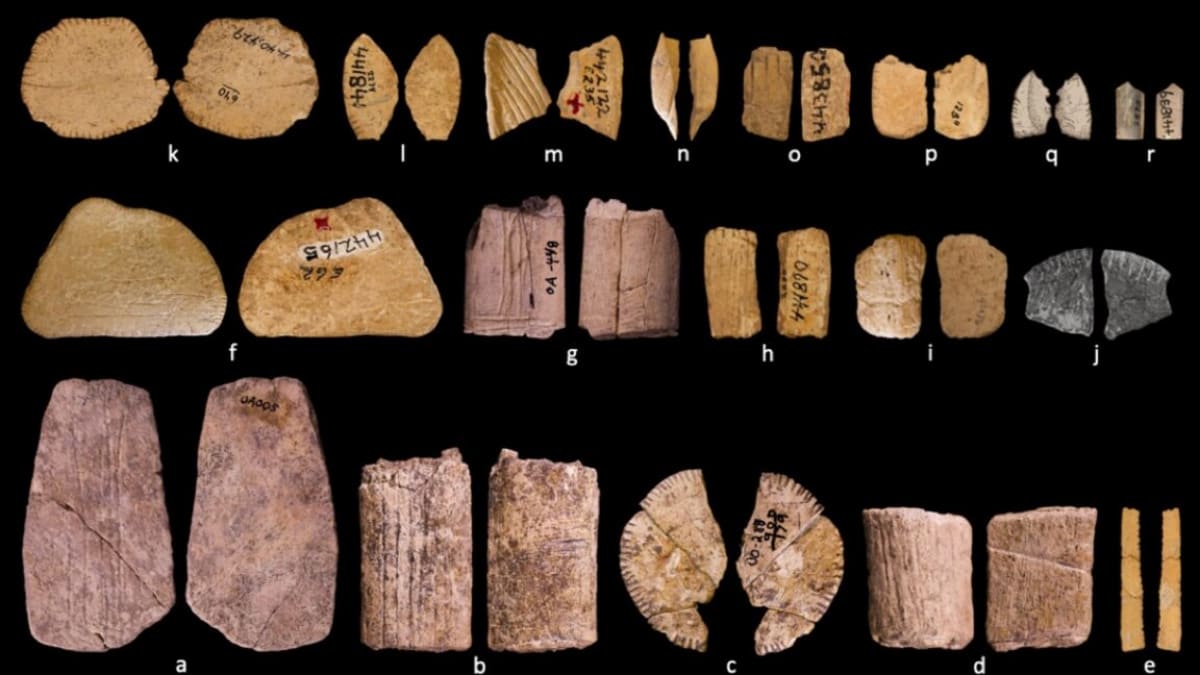
Using these criteria, Madden identified 565 confirmed dice from 45 different sites across North America. The oldest came from Wyoming, Colorado, and New Mexico, dating back to when woolly mammoths still roamed the continent.
These weren't the six-sided cubes we know today. Native American dice were simpler, with just two sides, kind of like flipping a coin but way more varied in design. Tribes made them from bones, sticks, peach pits, and carved cane, decorating one side with colors or markings.
Virtually every Native American tribe used these dice, but they weren't gambling in the modern sense. There was no house taking a cut, no casino edge.
Why This Inspires
These ancient games served a beautiful purpose that modern casinos have completely lost. When groups of Native Americans who rarely saw each other came together, dice games created fair, equal exchanges that built lasting relationships.
It was gifting through play, a way to create trust and reciprocal bonds between communities. Everyone had an equal shot at winning, and the real prize wasn't what you won but the connection you made.
The evidence was sitting in museums and archaeological reports all along. What was missing wasn't the artifacts but someone willing to look at them with fresh eyes and recognize what they really were.
Now we know that understanding probability and creating structured games based on random chance isn't something that traveled from the Old World to the Americas, it was something humans figured out independently, proving once again that innovation has no single birthplace.
More Images

Based on reporting by Ars Technica Science
This story was written by BrightWire based on verified news reports.
Spread the positivity!
Share this good news with someone who needs it