Native Tribes Build Their Own EV Charging Network
Twenty-three Native American tribes are bypassing federal gridlock to build their own electric vehicle charging network across tribal lands. Electric Nation has already installed over 75% of planned chargers where government maps still show blank spaces.
A young Navajo boy climbed into a Cybertruck in a Burger King parking lot in Chinle, Arizona, his eyes bright with recognition from months of YouTube videos. For Dr. Len Necefer, watching that moment, the question wasn't about the truck but about whether electric vehicles could work for people who navigate vast distances as a daily reality, not a weekend adventure.
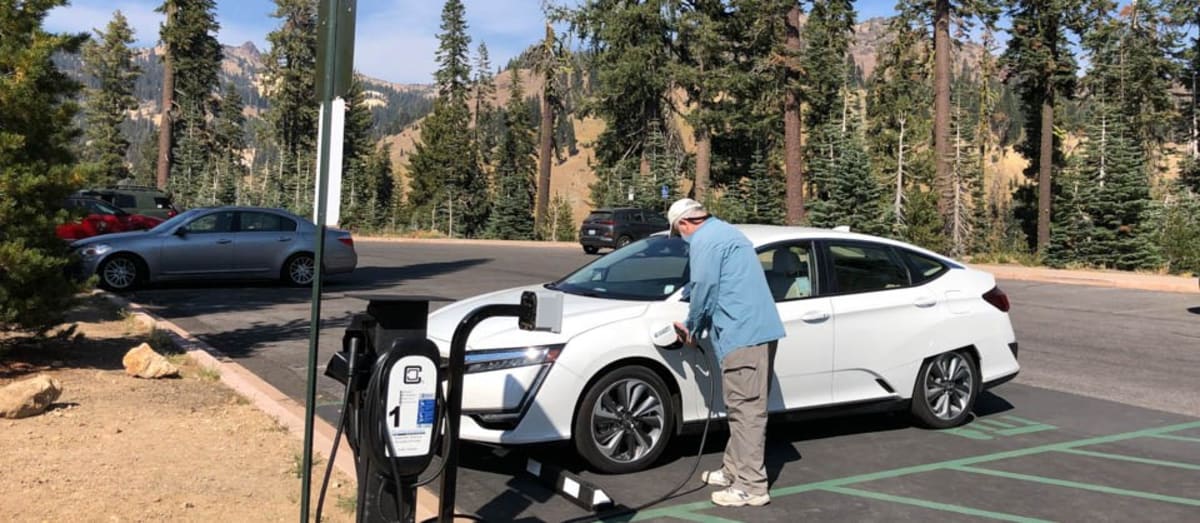
That's exactly what Electric Nation is proving. Led by Native Sun Community Power Development, the initiative is building what federal programs haven't: a comprehensive EV charging network across 23 tribal nations.
The numbers tell a story of action over promises. More than 75% of planned Level 2 chargers are already installed, with 16 electric vehicles deployed for tribal use across Indian Country. This isn't a pilot program or a study—it's a functioning network built by tribes, for tribes.
The need is stark. Last October, the entire Navajo and Hopi Nations had just three working chargers: one DC fast charger in Kayenta, a Level 2 unit at Sage Memorial Hospital in Ganado, and a weathered charger at Moenkopi Lodge in Tuba City. Meanwhile, federal infrastructure maps light up highways like runways but fade to dark at reservation boundaries.
Necefer knows this gap personally. He has relatives living without running water or electricity today, not as history but as current reality. When he built the first map of EV chargers on tribal lands while at the Department of Energy, he could see the pattern federal programs habitually follow: urban centers first, tribal lands marked "at a later date."
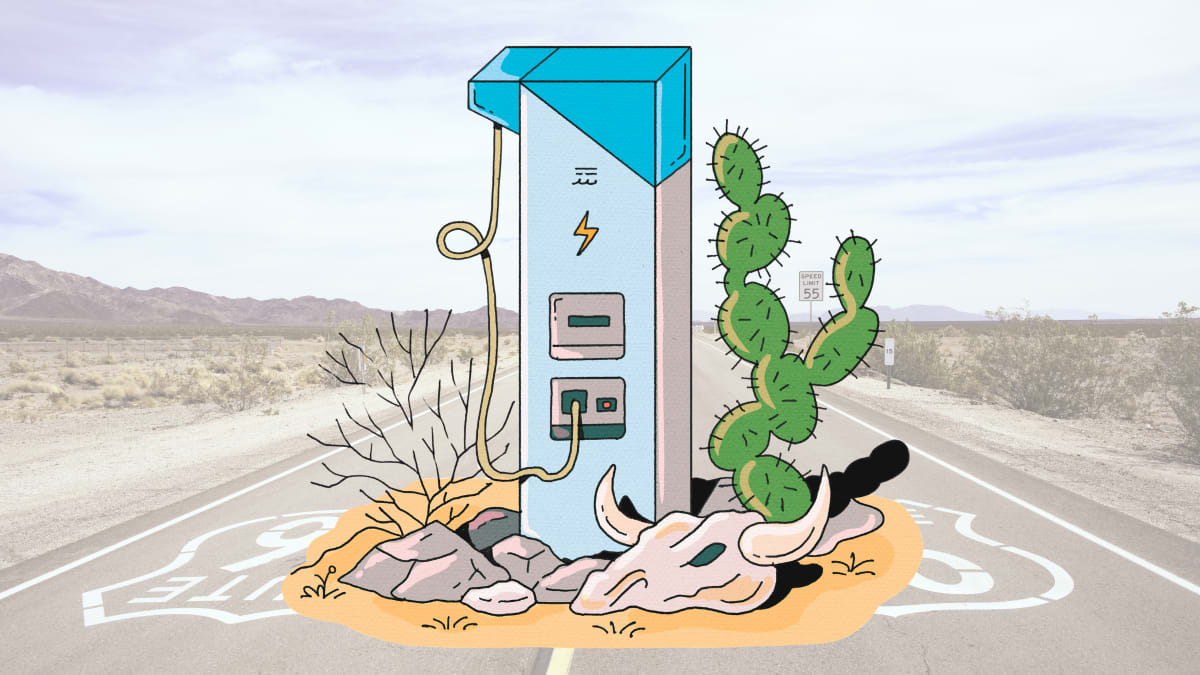
Route 66 tells this story at continental scale. The Mother Road runs through Potawatomi land in Illinois, Muscogee, Cheyenne, and Arapaho nations in Oklahoma, and Navajo and Hualapai lands in Arizona. The diners sold the imagery while communities got bypassed.
Electric Nation is rewriting that script. The chargers aren't placed by state transportation departments working from highway models. They're sited by tribal nations who understand their own communities' needs.
The Ripple Effect
This network does more than enable electric travel. It demonstrates what's possible when communities control their own infrastructure rather than waiting for systems that weren't designed with them in mind.
Necefer has already mapped an electric route from Tucson to Plymouth Rock using only tribal charging infrastructure. It can be done. In Oklahoma, the route threads through some of the most diverse tribal jurisdictions in the country.
The Inflation Reduction Act made huge sums available for EV infrastructure, but traditional decision-making funnels resources toward areas that already have everything else. Electric Nation proves there's another way: let the people who know the land build the network.
In Tuba City, a hotel manager who'd served on a state advisory council helped resurrect a failing Tesla charger, angling the connector and resetting the pedestal. Out there, that practical knowledge is the real network, not the federal one on paper.
Twenty-three tribal nations are now building the clean transportation corridor that should have existed all along, closing the gap between planning documents and the actual work of keeping people moving.
Based on reporting by Google News - Electric Vehicle
This story was written by BrightWire based on verified news reports.
Spread the positivity!
Share this good news with someone who needs it