Natto Fermentation Creates Health-Boosting Molecules
Japanese scientists discovered that fermenting soybeans into natto actively produces supersulfide molecules that could help prevent heart disease. This breakthrough reveals for the first time how fermentation transforms plants at the molecular level.
Scientists just figured out why a sticky Japanese breakfast food might be a health powerhouse, and the discovery could reshape how we think about fermented foods.
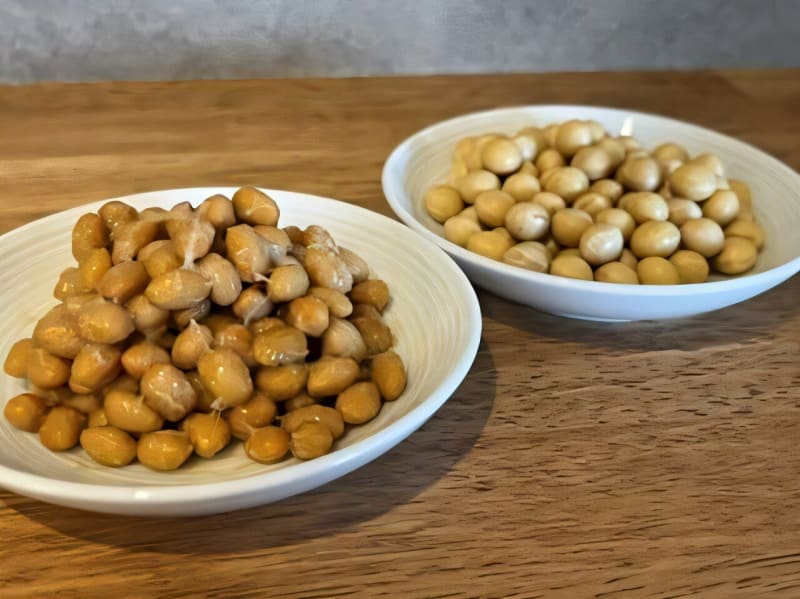
Researchers at Osaka Metropolitan University found that natto, a traditional Japanese dish made from fermented soybeans, actively creates supersulfide molecules during fermentation. These special compounds play crucial roles in our cells and show promise in preventing cardiovascular disease.
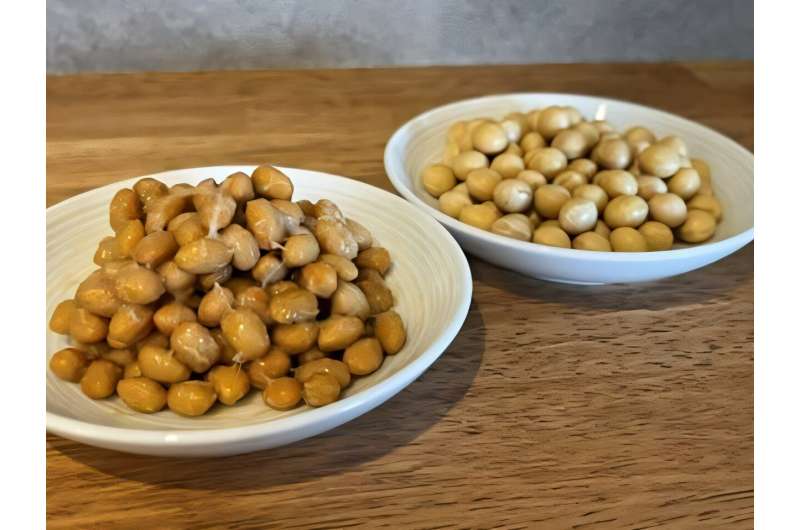
The team, led by Professor Hideshi Ihara, compared regular dried soybeans with commercial natto brands and found something remarkable. While the plain soybeans had similar supersulfide levels across different suppliers, the natto samples contained significantly higher amounts, with levels varying between brands.
Here's where it gets interesting. The researchers watched supersulfides increase in real time as they made homemade natto. The fermentation bacteria, Bacillus subtilis var. natto, actively broke down soybean proteins and converted other sulfur molecules into these beneficial supersulfides.
Even the preparation process mattered. Soybeans that underwent heat treatment before fermentation showed increased supersulfide levels right from the start.
Why This Inspires
This marks the first time scientists have proven that microbial fermentation can dramatically transform a plant's molecular profile for the better. What our ancestors discovered through trial and error over centuries, we can now explain and potentially improve through science.
The research opens doors beyond just understanding one traditional food. If we can map exactly how fermentation creates health-promoting compounds, we might develop new ways to boost nutrition in other foods or create targeted therapies for heart disease.
Natto has been a Japanese staple for over 1,000 years, often eaten for breakfast with rice. Now science is catching up to what generations of natto eaters may have intuitively known: this humble fermented food packs a powerful nutritional punch.
Professor Ihara believes understanding these mechanisms could help maintain and improve public health on a broader scale. The study appeared in the journal Nitric Oxide, adding to growing research on how fermented foods support wellbeing.
Traditional wisdom meets cutting-edge science, and both win.
More Images



Based on reporting by Phys.org
This story was written by BrightWire based on verified news reports.
Spread the positivity!
Share this good news with someone who needs it