Nature Already Holds 37% of Climate Solutions We Need
The world's mangroves, peatlands, and wetlands could deliver more than a third of the emissions cuts needed by 2030. Yet we're spending $30 on harming nature for every $1 we invest in protecting it.
While the world chases billion-dollar machines to fight climate change, some of the most powerful solutions have been working for free all along.
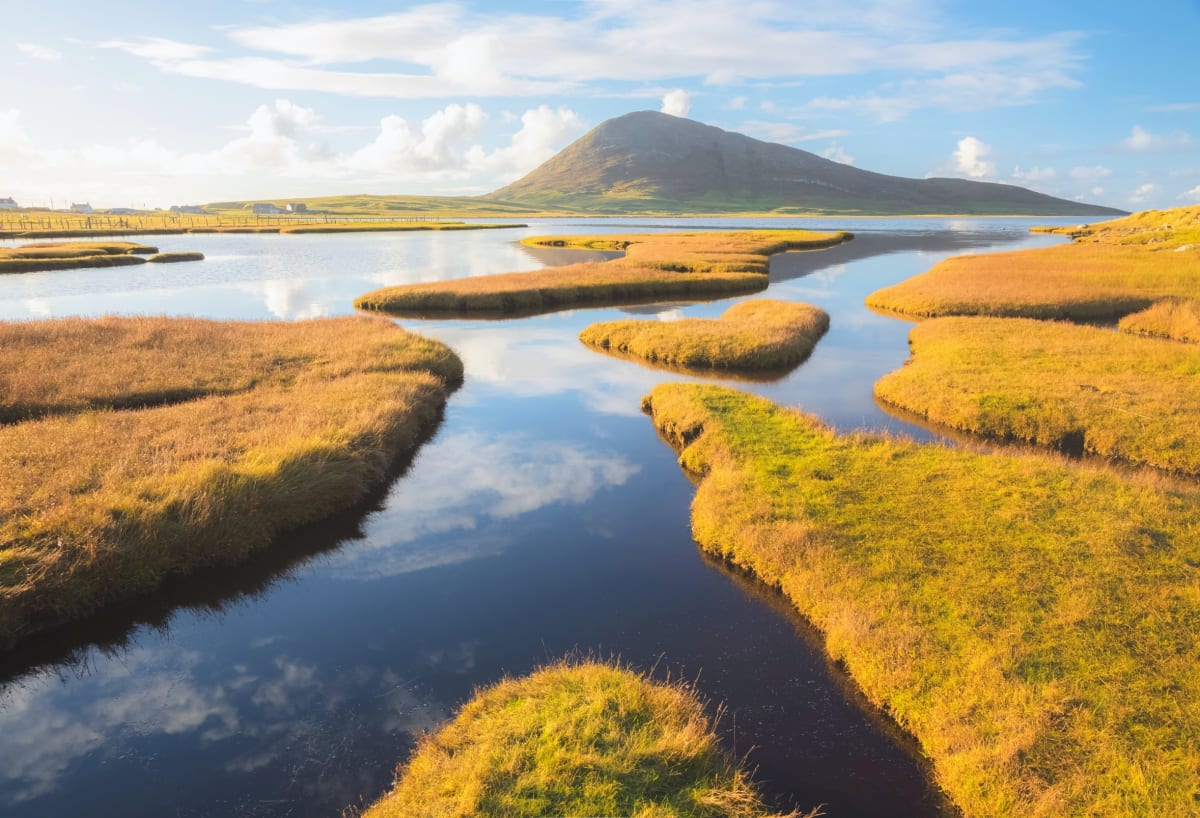
Mangroves, peatlands, and wetlands don't need scientists to operate them or electricity to run. They've been quietly storing carbon and protecting communities for thousands of years, and they're ready to do even more.
Mangroves capture carbon up to 18 times faster than typical forests, locking it deep in wet soil where it stays trapped for centuries. A recent study found they also store a super-stable form of carbon from wildfires that barely breaks down at all, meaning they're likely holding even more carbon than scientists previously realized.
These coastal forests do double duty as nature's storm barriers, saving the world an estimated $80 billion in damage every year. According to research in Nature Communications, protecting enough mangroves to make a real climate impact would require only a modest increase in current protected areas.
Peatlands cover just three percent of Earth's land but hold more than 30 percent of all soil carbon. That's more than every forest on the planet combined, built up over thousands of years in waterlogged landscapes where plants decay but never fully break down.
The problem is they're drying out. A Cornell University study found that a single severe drought can cause peatlands to release four times more carbon than normal, and droughts are becoming more frequent.
Wetlands make up only about one percent of Earth but absorb more than 20 percent of the carbon dioxide removed from the air. With better soil practices, farms could store over a billion tons of carbon annually while helping crops withstand drought.
The Bright Side
Experts from the World Wildlife Fund and The Nature Conservancy agree that protecting and restoring nature could provide up to 37% of the emissions cuts needed by 2030. Every dollar invested in these solutions returns between $2 and $8 in benefits.
These aren't experimental technologies waiting for approval. They're proven climate solutions that already exist and already work.
The challenge isn't inventing something new. It's choosing to protect what's already here through the policies we support, the food we buy, and the land we decide to preserve.
A 2026 UN report revealed a troubling imbalance: for every $1 spent protecting nature, roughly $30 goes to activities that harm it. Only about 1.5% of climate funding currently supports nature-based solutions, despite their massive potential.
This Earth Day reminds us that sometimes the best answer isn't the newest or most expensive one. Sometimes it's the wetland we drained, the bog we buried, or the soil we overworked.
The most important climate solutions aren't waiting to be discovered because they're already working all around us.
Based on reporting by Google News - Climate Solution
This story was written by BrightWire based on verified news reports.
Spread the positivity!
Share this good news with someone who needs it