%2Ffile%2Fattachments%2F2996%2FConversationrivers_569896.png)
Nature-Based Filter Cleans 50,000 Liters Daily in S. Africa
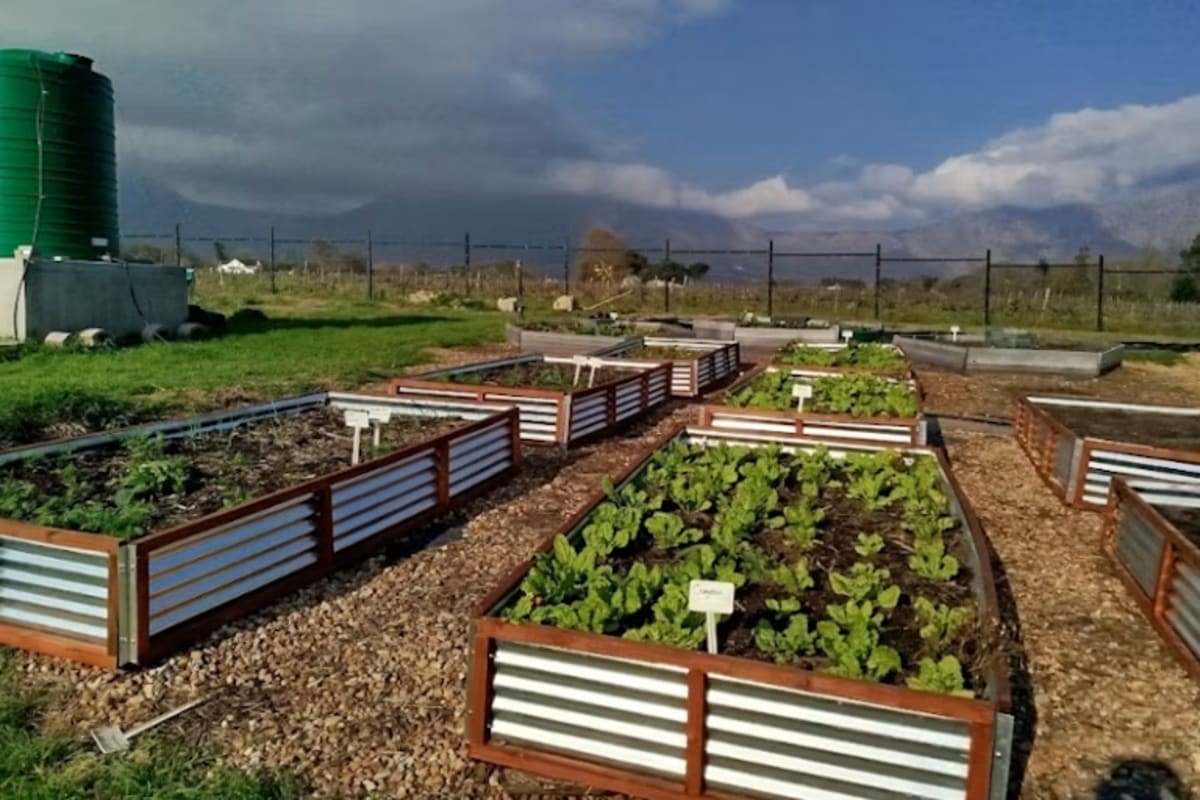
A simple system using stones, sand, and plants is turning one of South Africa's most polluted rivers into clean water for farming, no electricity or chemicals required. Young women from a nearby informal settlement are growing vegetables using the treated water.
The Stiebeuel River in Franschhoek was once clean enough for swimming, but sewage from 26,000 residents turned it into a health hazard with bacteria levels 3,000 times above safety limits. Now researchers at the University of Cape Town's Water Hub are proving that nature can fix what humans broke.
The team converted old sludge drying beds into natural water filters filled with small stones, biochar, and sand. Polluted river water seeps through these beds over five days, mimicking how wetlands naturally cleanse water. Naturally occurring microbes feed on the pollution while plants absorb excess nutrients.
The results surprised even the researchers. The system removes 99% of harmful E. coli bacteria and up to 95% of ammonia and phosphorus that trigger toxic algae blooms. It even captures over 90% of pharmaceutical residues and microplastics, all without adding a single chemical.
Every day, 50,000 liters of contaminated water flow through the biofilter. About 3,000 liters irrigate vegetable gardens managed by young women from Langrug, the informal settlement whose inadequate sanitation helped pollute the river. The gardens provide skills training, farming experience, and opportunities for small business development.
The remaining treated water flows back into the river, offering relief to a waterway that once carried waste straight to the sea. In a country where aging infrastructure and rising electricity costs plague municipal water treatment, this low-tech solution offers hope.
The Ripple Effect
The Water Hub's success matters beyond one South African river. Municipalities across the developing world face the same challenges: deteriorating infrastructure, limited technical skills, and water scarcity worsened by climate change. This nature-based approach provides a blueprint that doesn't require expensive equipment or constant electricity.
The system won't replace large-scale treatment plants serving major cities, but it fills a crucial gap. Communities struggling with drought can create local sources of treated water for agriculture and other uses. Informal settlements waiting years for infrastructure upgrades can start cleaning their water now.
Research director Kevin Winter notes that the approach works with nature rather than fighting against it. The same principles that keep wetlands healthy can be applied anywhere with contaminated water and limited resources.
Young women tending gardens watered by river water once deemed too dangerous to touch represent more than environmental progress. They're proof that solutions to our biggest challenges might be simpler than we think, growing right beneath our feet.
More Images

Based on reporting by Daily Maverick
This story was written by BrightWire based on verified news reports.
Spread the positivity!
Share this good news with someone who needs it


%2Ffile%2Fattachments%2F2995%2Fafrican-lion-bookcopy_698125_701066.jpg)