Nature-Copying Climate Solutions Gain Global Momentum
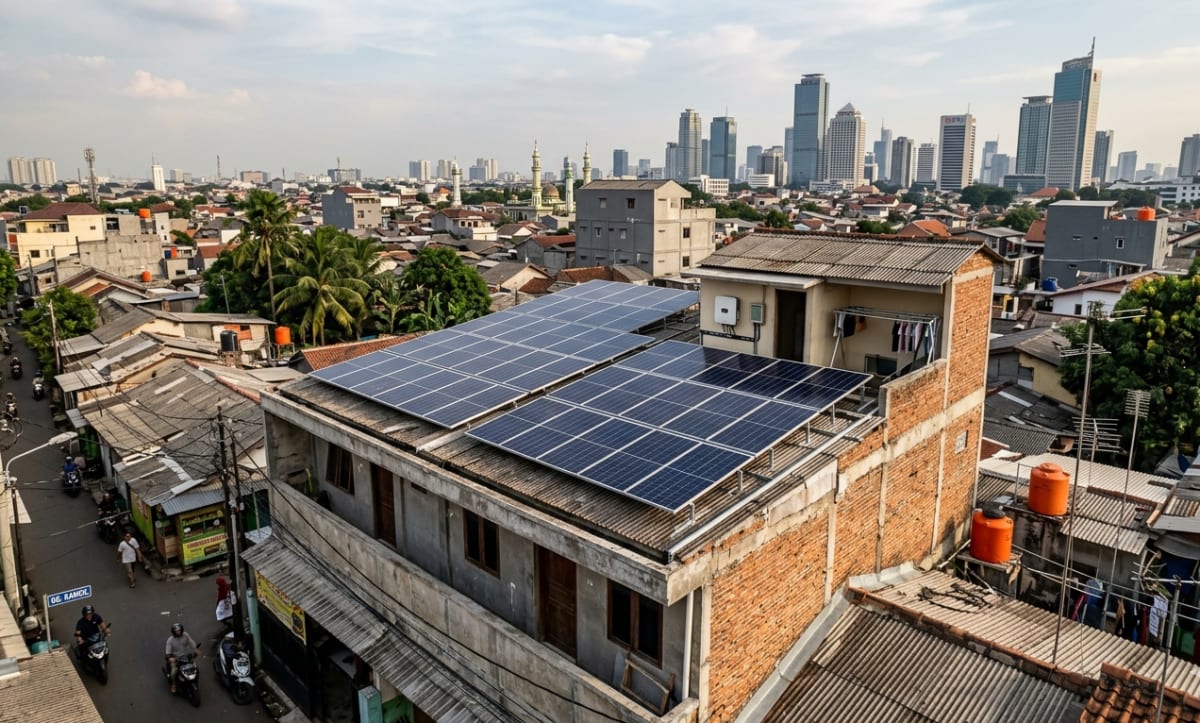
Scientists worldwide are turning to biomimicry, copying nature's billion-year-old designs to fight climate change with solutions that work with ecosystems instead of against them. From termite-inspired buildings to river systems that heal themselves, these nature-based approaches are proving both effective and sustainable.
What if the best climate solutions have been right under our noses for billions of years?
Scientists and engineers are increasingly turning to biomimicry, the practice of copying nature's designs to solve human problems. These nature-based climate solutions work with ecosystems instead of fighting them, creating sustainable fixes that can last generations.
The concept is simple but powerful. Evolution has spent billions of years perfecting natural processes, so why not learn from them? Japanese bullet trains now mimic the streamlined beak of kingfisher birds to reduce energy consumption and noise. Buildings in Zimbabwe copy termite mound ventilation systems to stay cool without air conditioning, saving massive amounts of energy.
Water management projects are seeing some of the most exciting applications. Sediment diversion systems, which reconnect rivers to their natural wetlands, help rebuild eroding coastlines by copying the land-building processes that formed river deltas in the first place. These projects allow rivers to deposit sediment where it naturally belongs, restoring coastal buffers and supporting wildlife habitats simultaneously.
The Ripple Effect
The beauty of biomimicry extends beyond individual projects. When we design solutions that work with nature, we often solve multiple problems at once. Restored wetlands don't just prevent erosion; they filter water, support fisheries, and provide habitat for countless species.
Even everyday inventions rely on nature's genius. Velcro was invented in 1948 after a Swiss engineer noticed how burrs stuck to his dog's fur. The simple hook-and-loop system now appears in everything from shoes to space suits.
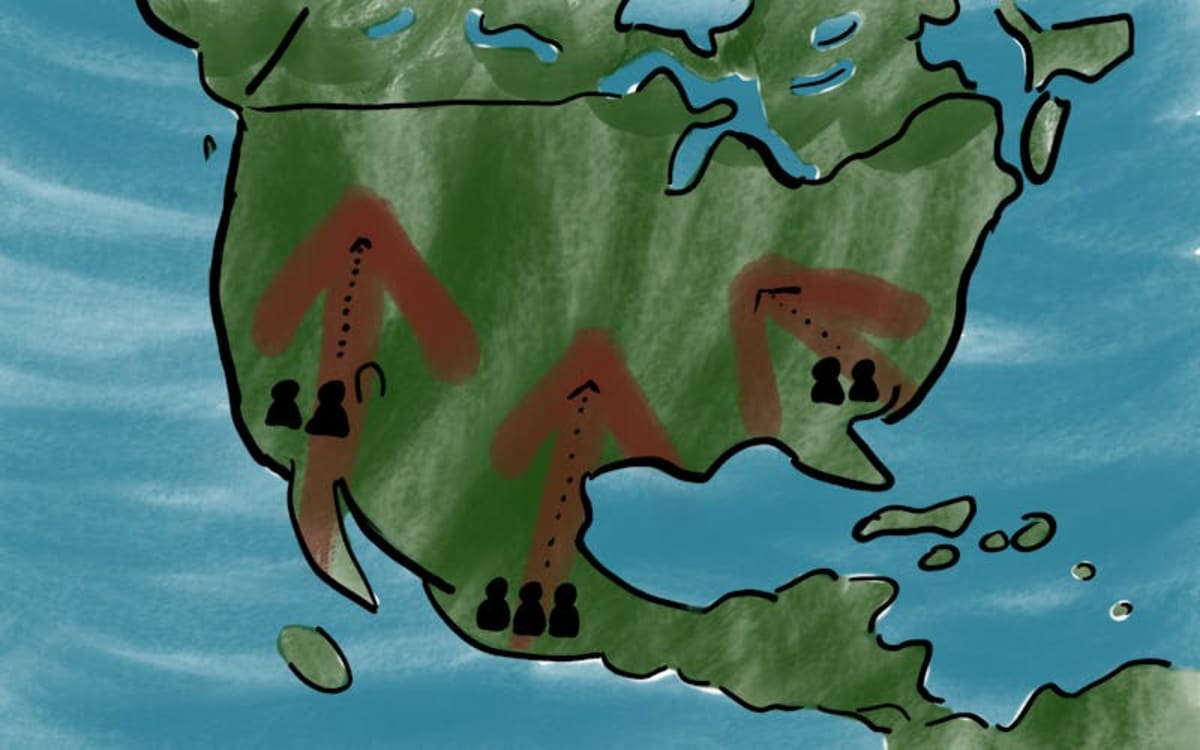
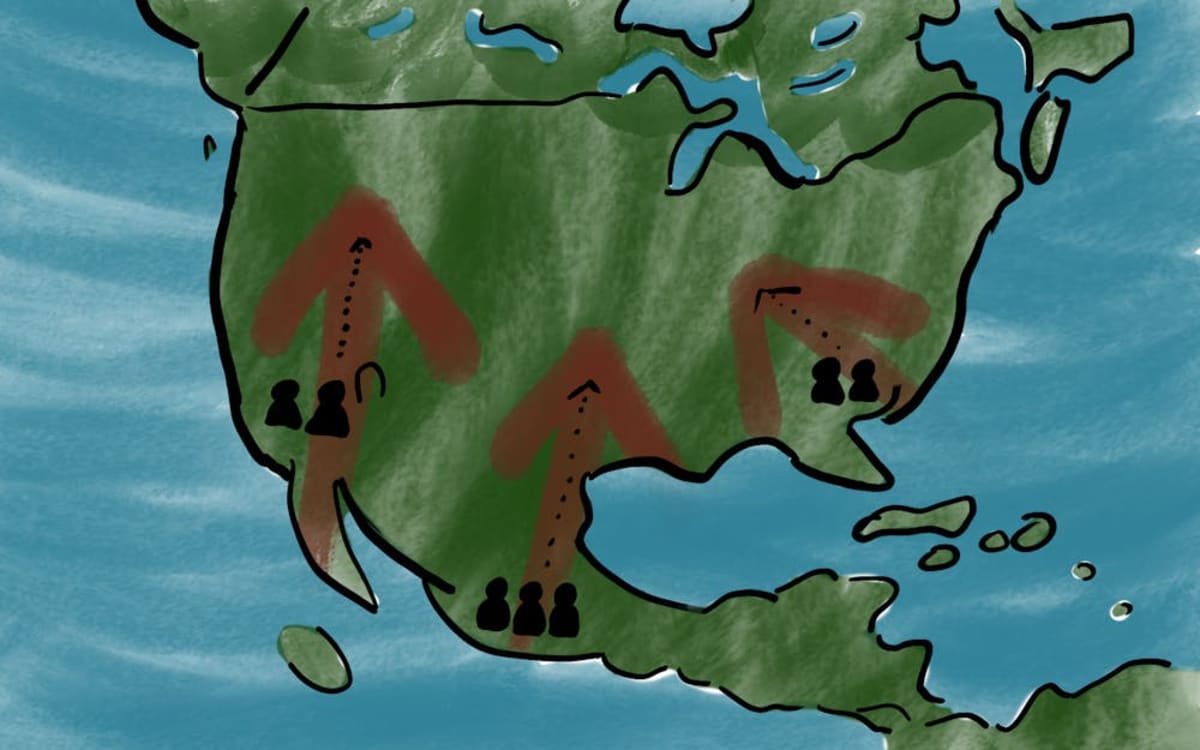
Climate adaptation is becoming more urgent as extreme weather intensifies globally. The Midwest alone is projected to experience hotter temperatures with more frequent rain and drought by mid-century. Nature-based solutions offer hope because they're designed to flex and adapt, just like the ecosystems they mimic.
Architects, urban planners, and engineers are now asking a crucial question before starting new projects: How does nature already solve this problem? The answers are leading to innovations that are cheaper to maintain, better for biodiversity, and more resilient to climate change than traditional infrastructure.
The shift represents a fundamental change in how we approach environmental challenges. Instead of viewing nature as something to control or overcome, we're learning to work alongside it as a partner.
Every termite mound, river delta, and bird beak holds lessons perfected over millions of years, and we're finally starting to pay attention.
More Images


Based on reporting by Google News - Climate Solution
This story was written by BrightWire based on verified news reports.
Spread the positivity!
Share this good news with someone who needs it