Nature Could Save Billions in Disaster Costs, Report Finds
A new World Wildlife Fund report reveals that healthy forests, wetlands, and coastlines dramatically reduce disaster damage and insurance costs. The solution to rising premiums and slower recovery might be growing all around us.
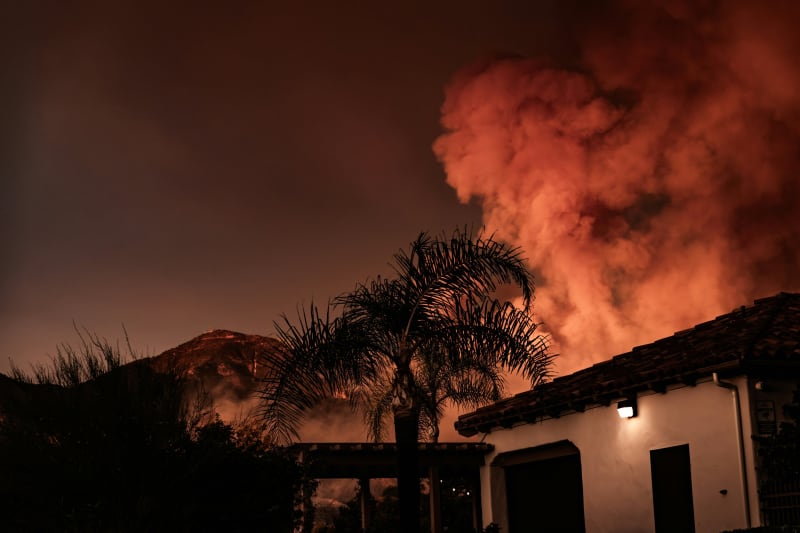
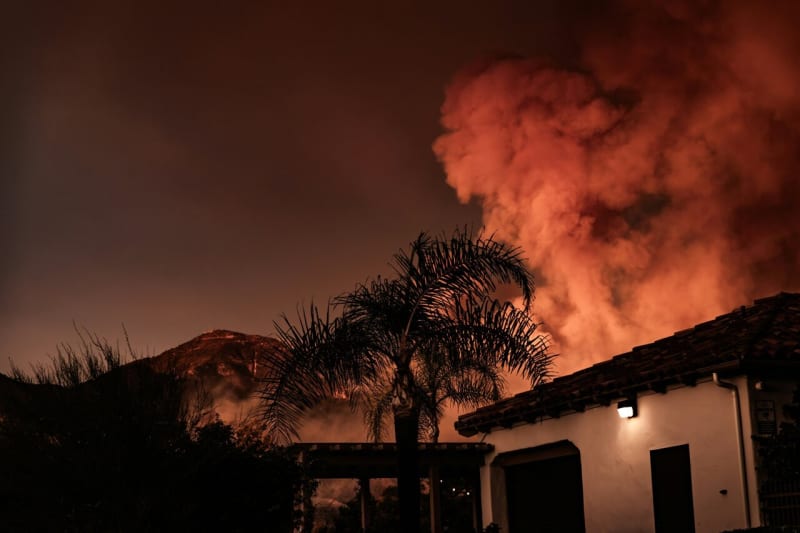
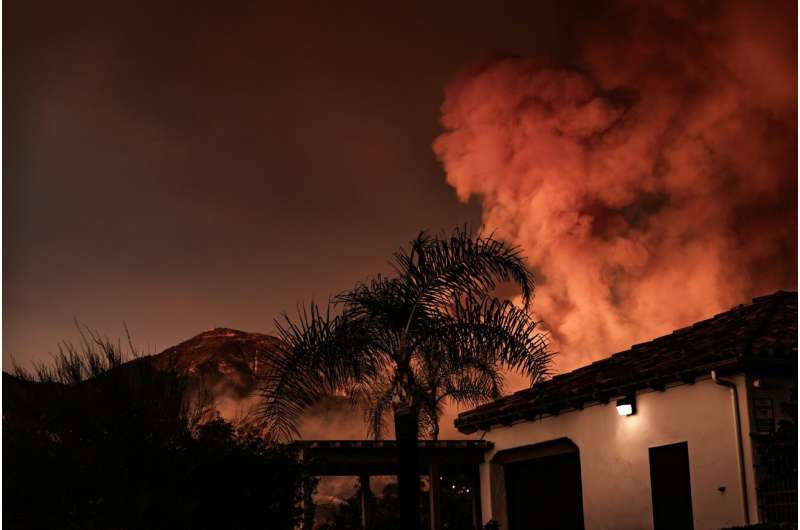
More than a year after the 2025 Los Angeles wildfires, fewer than a dozen homes have been rebuilt in the hardest-hit neighborhoods, and the reason goes deeper than construction delays.
A new World Wildlife Fund report identifies a crucial piece of the recovery puzzle: nature itself. Forests, wetlands, and floodplains act as green infrastructure, quietly protecting communities from extreme weather.
When these ecosystems are healthy, they store and slow water during heavy rain, retain moisture to reduce fire intensity, and stabilize coastlines. When they disappear, disasters become far more destructive and expensive.
The numbers tell a stark story. Research shows that widespread deforestation can increase major flooding risk by up to 700%. In Florida, wetland loss during Hurricane Irma in 2017 contributed to an estimated $430 million in insured property losses alone.
Southern California illustrates this dynamic perfectly. Decades of development along steep canyons and drought-stressed hillsides left the landscape highly vulnerable. After major fires, stripped hillsides can no longer hold soil in place, turning even modest rainstorms into potential flash floods and debris flows.
The insurance industry is responding to these compounding risks. Between 2019 and 2024, home insurance premiums rose 38% nationwide, nearly twice the rate of inflation. Many insurers are raising premiums, restricting coverage, or exiting high-risk markets entirely.
The Bright Side
Here's where the good news enters: nature-based solutions often outperform traditional infrastructure at a fraction of the cost. Restoring wetlands, protecting forests, and maintaining healthy floodplains creates natural barriers that reduce damage before it happens.
In Valencia, Spain, severe flooding in 2024 and 2025 caused billions in damage after upstream vegetation was lost and wetlands were drained. The lesson is clear: investing in nature means investing in resilience.
The rising cost of insurance premiums could divert up to 4.6% of consumer spending away from other goods and services. But insurance markets are also sending a signal about the solution: long-term resilience runs through nature.
Prevention is finally entering the conversation. As more communities recognize nature's protective value, opportunities grow to integrate green infrastructure into financial risk models, insurance pricing, and infrastructure planning.
The path forward combines what we've lost with what we can restore: healthy ecosystems that quietly protect us every day.
More Images
Based on reporting by Phys.org
This story was written by BrightWire based on verified news reports.
Spread the positivity!
Share this good news with someone who needs it