
Nature Thrives in Toxic Zones Abandoned by Humans
In places too dangerous for people to live, from nuclear sites to former battlefields, wildlife has found unexpected sanctuary. Scientists are now studying these "involuntary parks" to understand how nature recovers and what role conservation can play in healing damaged lands.
Where humans can't go, nature sometimes finds a way to flourish.
Across the globe, areas abandoned due to nuclear contamination, war, or environmental disasters have become accidental wildlife refuges. Scientists call them "involuntary parks," and they're teaching us surprising lessons about conservation and recovery.
Hanford Reach National Monument in Washington State surrounds a Cold War nuclear site contaminated with radioactive waste. Yet hundreds of species now thrive there, including endangered salmon that swim through the Columbia River's last free-flowing stretch. The military buffer zone that once kept people away now protects wildlife from development.
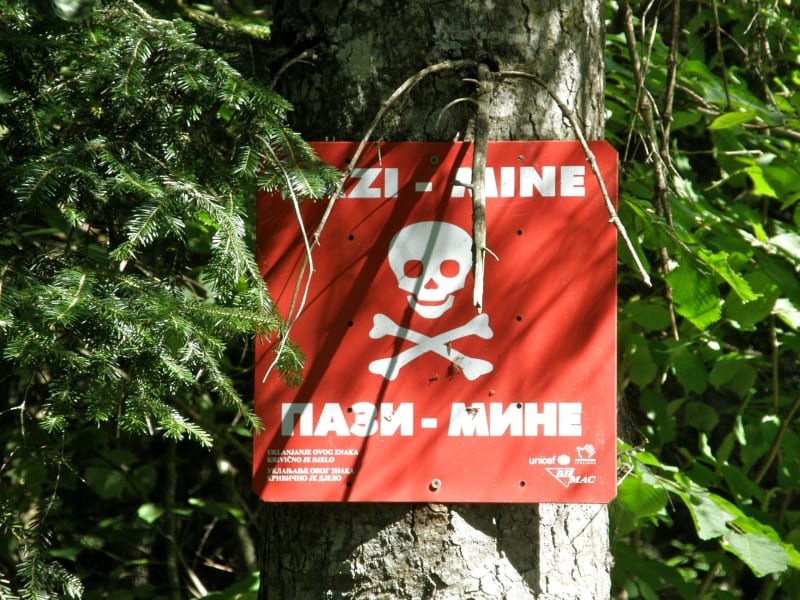
These unexpected sanctuaries exist worldwide. The Chornobyl exclusion zone hosts thriving wolf populations. France's Zone Rouge, a World War I battlefield still littered with millions of unexploded shells, has become forested refuge where humans rarely tread.
Some involuntary parks have been officially designated as protected areas. The disputed southern Kuril Islands between Russia and Japan now include preserves established by both nations, offering protection to wildlife caught between geopolitical rivals.
The Bright Side
David Havlick, a professor at the University of Colorado Colorado Springs, cautions against viewing these places as simple success stories. Nature doesn't always "fix itself" without help, and many sites remain seriously degraded or hazardous. But studying these areas helps scientists understand which conservation strategies work best for damaged ecosystems.
As climate change and conflict create more uninhabitable zones, from bombed cities to flood-threatened coastlines, involuntary parks offer valuable lessons. They show us that even severely damaged land can recover with time and protection, though often with careful management and cleanup efforts.
The future of these refuges remains uncertain. War recently touched Chornobyl again, reminding us that involuntary parks can be re-impacted by new conflicts. Their status often depends on the shifting agendas of governments and changing geopolitical tensions.
Yet there's hope in every thriving wolf pack at Chornobyl and every salmon run at Hanford Reach. These resilient species remind us that nature is remarkably persistent, ready to reclaim spaces when given the chance. Understanding how to support that recovery could help us heal lands damaged by human activity.
With 61 conflicts raging across 31 nations in 2024, and environmental disasters increasing worldwide, we need every conservation tool available. Involuntary parks prove that even our worst mistakes don't have to mean permanent loss for wildlife.
More Images



Based on reporting by Mongabay
This story was written by BrightWire based on verified news reports.
Spread the positivity! 🌟
Share this good news with someone who needs it


