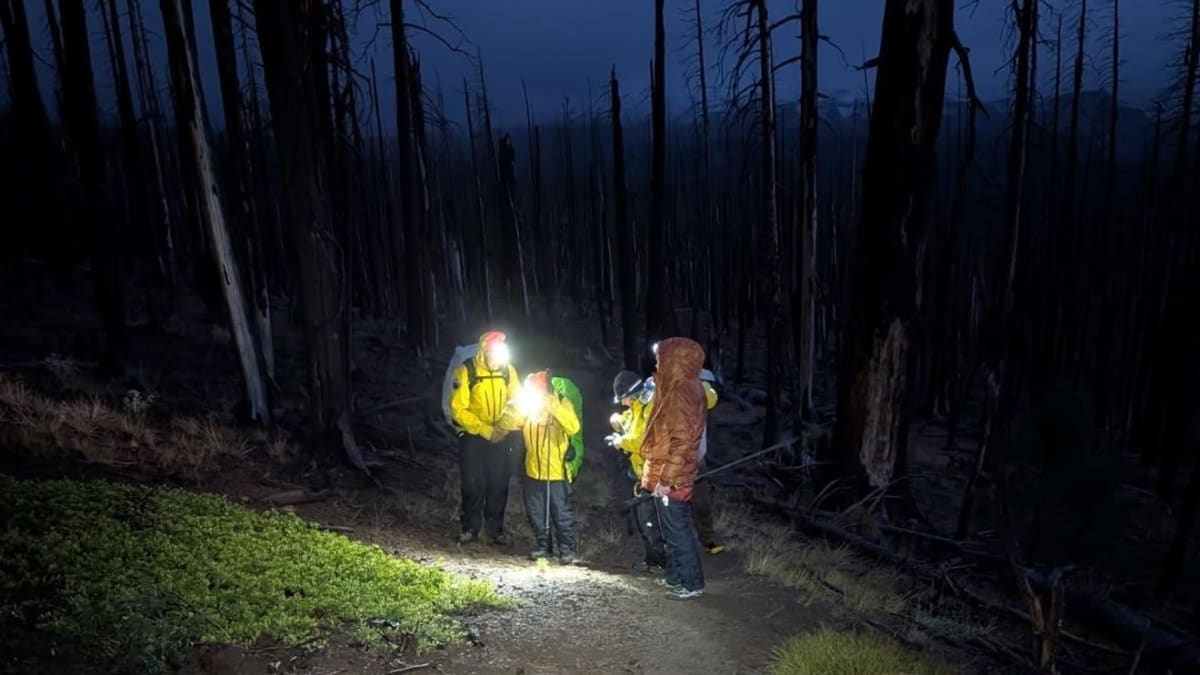
Navy Drone Boat Rescues 2 Downed Apache Pilots in 2 Hours
Two US Army helicopter pilots forced down near Oman were rescued within two hours by an unmanned Navy drone boat, marking the first rescue of its kind. The successful mission points to a future where autonomous vehicles could save more lives in combat zones and disaster areas.
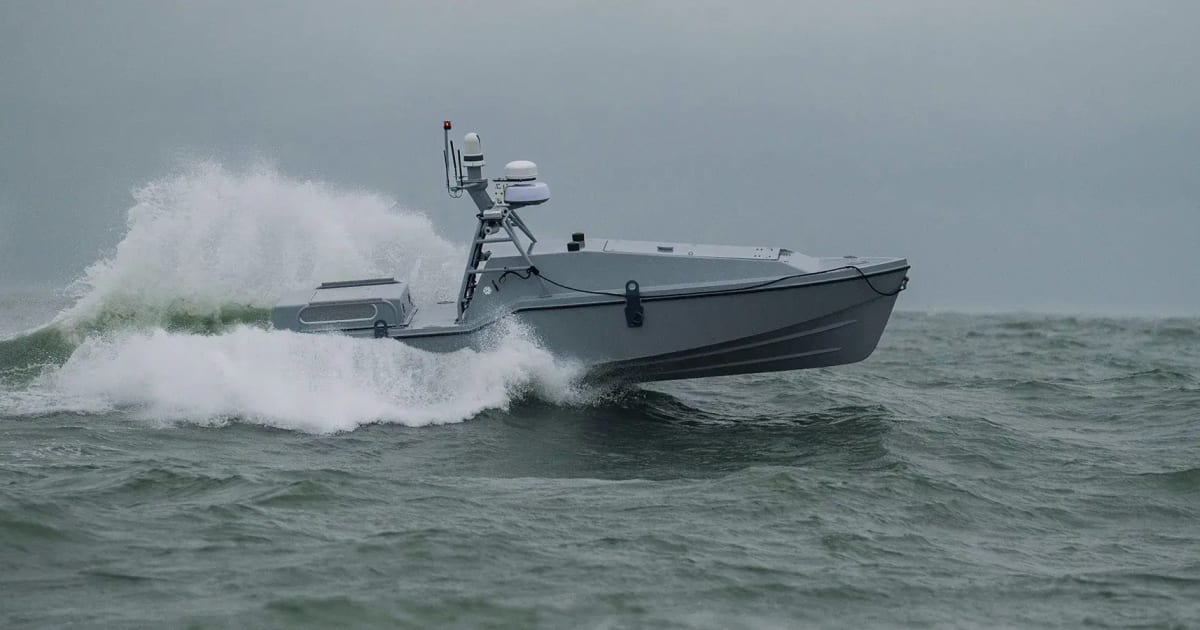
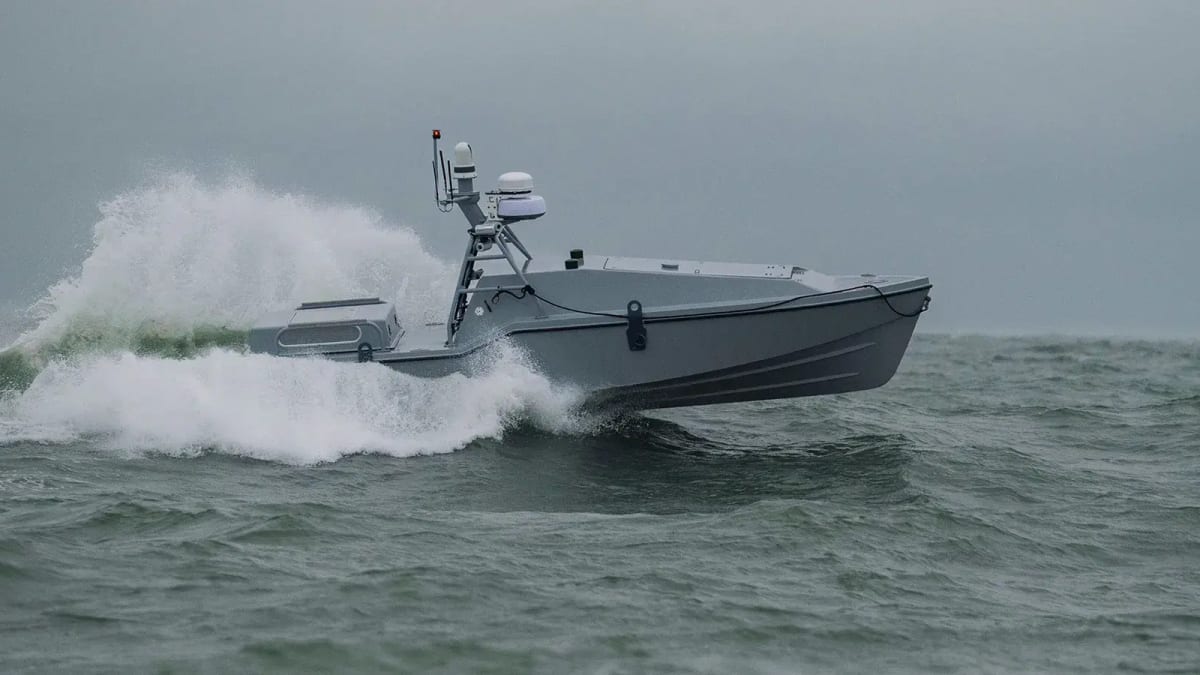
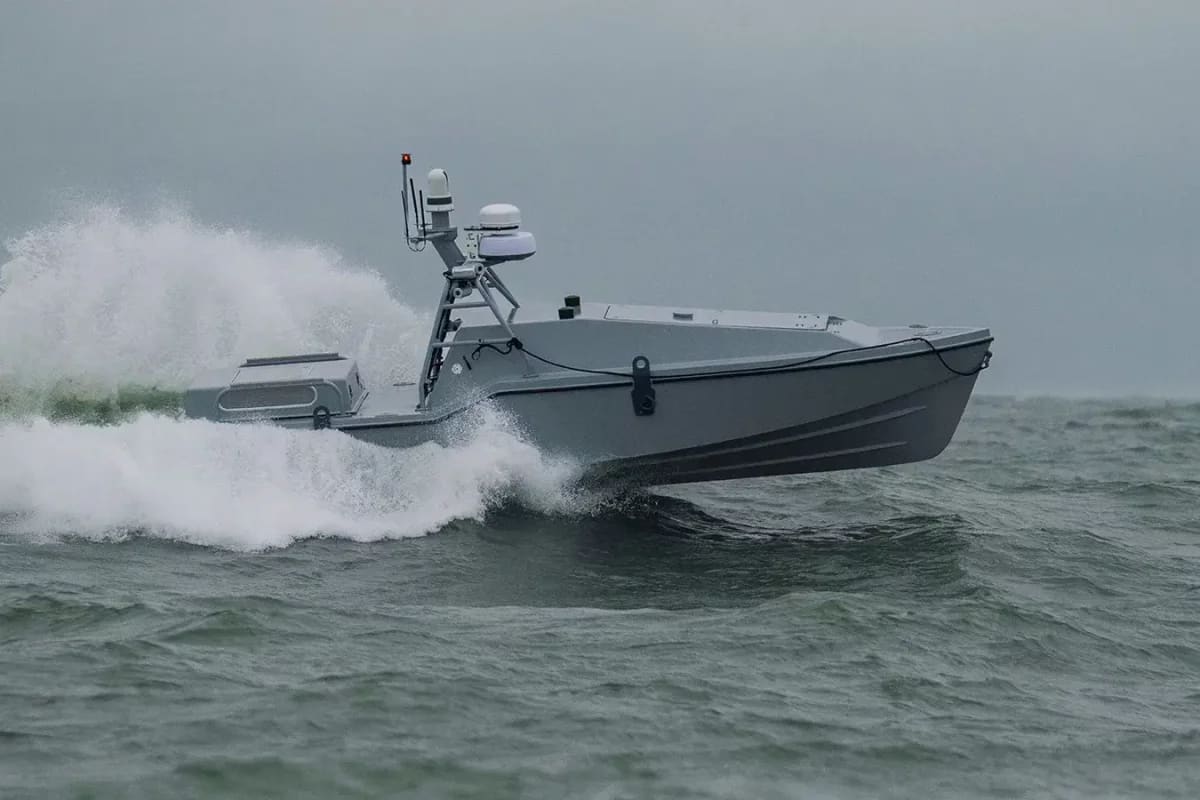
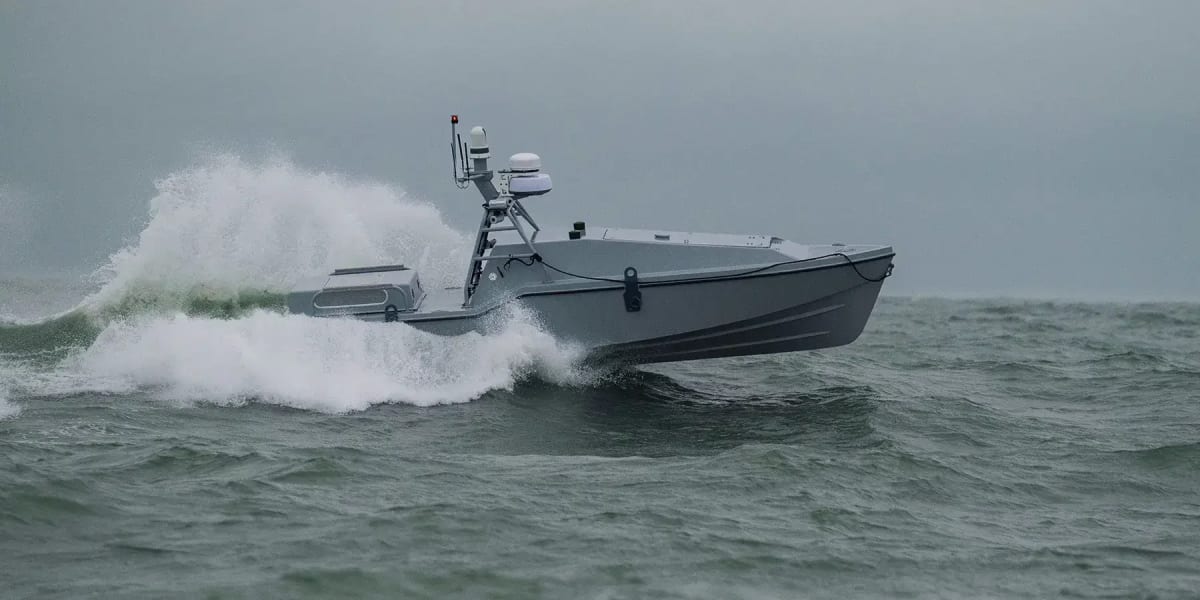
When an Apache helicopter went down near the Strait of Hormuz on June 8, 2026, help arrived in an unexpected form: a 24-foot robot boat with no crew aboard.
Two US Army pilots climbed onto the Saronic Corsair drone vessel and held tight as it carried them to safety. Within two hours of their distress call, both crew members were extracted by helicopter in stable condition.
The rescue, coordinated by the Navy's Task Force 59, represents the first time an autonomous boat has successfully saved military personnel. Task Force 59 specializes in integrating artificial intelligence and unmanned systems into naval operations.
The Corsair used 360-degree sensors to locate the downed pilots in the water. The vessel then navigated to them autonomously, providing a stable platform they could grab onto until human rescuers arrived.
The Ripple Effect
This rescue opens doors that extend far beyond military operations. Autonomous rescue vehicles could transform how we respond to emergencies everywhere.
During combat, medics and soldiers often must choose between continuing missions and evacuating wounded comrades. Drone rescues could free up personnel while getting injured people to medical care faster, potentially saving lives within the critical "Golden Hour" when treatment matters most.
The technology could prove equally valuable for civilian disasters. Rescue drones could rush into earthquake zones, wildfires, or flood areas too dangerous for human teams. They could be stationed in hurricane-prone regions, ready to deploy the moment disaster strikes.
What makes this approach even more practical is that dedicated rescue drones aren't necessary. Any autonomous vehicle capable of carrying human weight could serve double duty, as the Corsair demonstrated.
Researchers are already developing four-legged robots designed to carry supplies for infantry units. Future versions could locate and stabilize injured people in rough terrain. Even humanoid robots under development for military logistics could potentially be reprogrammed for medical evacuation.
The June 8 rescue proved the concept works under real-world pressure. Two people are home safe because a robot boat responded faster than traditional methods allowed.
Technology designed for one purpose just revealed its potential to save countless lives in ways we're only beginning to imagine.
More Images

Based on reporting by New Atlas
This story was written by BrightWire based on verified news reports.
Spread the positivity!
Share this good news with someone who needs it