NC Unveils $290M Plan to Restore Helene-Hit Forests
Western North Carolina is getting a massive boost in its recovery from Hurricane Helene with the largest restoration partnership in U.S. Forest Service history. The 10-year, $290 million plan will create jobs while healing damaged forests and communities.
More than a year after Hurricane Helene devastated Western North Carolina, the region is getting the largest forest recovery investment the U.S. Forest Service has ever made.
The Forest Service and North Carolina Wildlife Resources Commission announced a $290 million partnership to restore the Pisgah and Nantahala national forests over the next decade. It's the biggest Good Neighbor Agreement in agency history.
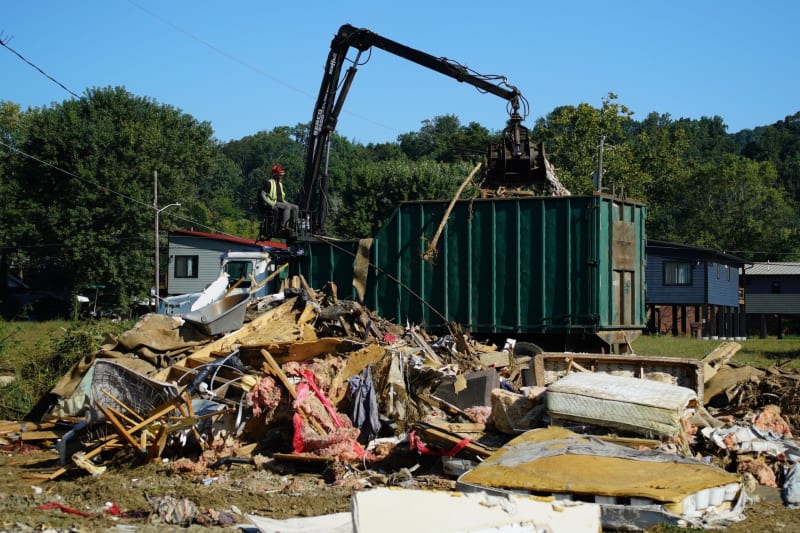
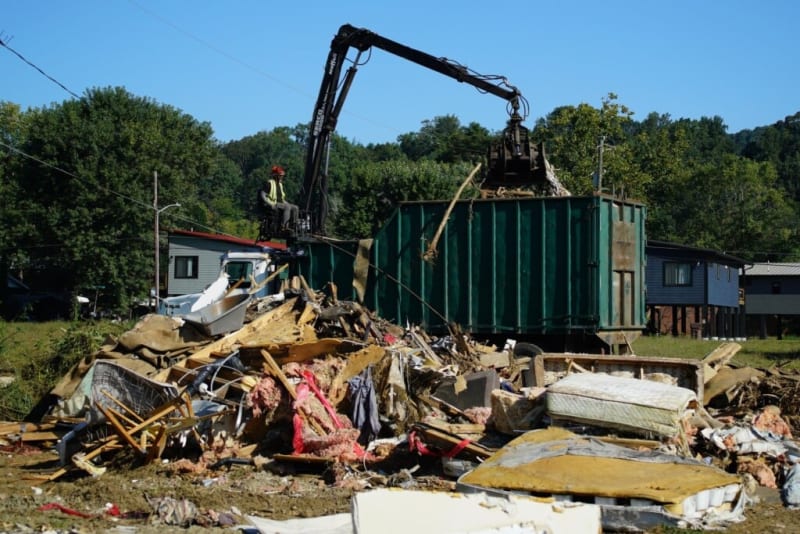
Hurricane Helene left behind tens of thousands of acres of blown-down timber, destroyed roads and trails, and damaged crucial wildlife habitat when it tore through the Southeast. The storm also created dangerous wildfire conditions with massive amounts of downed vegetation covering the forest floor.
Now the Wildlife Resources Commission will lead comprehensive recovery efforts across both forests. Teams will clear storm debris, repair roads and recreation areas, remove invasive species, restore watersheds, and rebuild wildlife habitat.
"Helping communities recover from Helene has been a top priority for the Forest Service since the storm tore through the Southeast," said Forest Service Chief Tom Schultz. The partnership brings together two agencies with decades of collaboration experience.
The work promises more than just environmental healing. Officials say the project will create jobs in communities still struggling from the hurricane's impact while reducing recovery costs through the state partnership model.
The Ripple Effect
This massive recovery effort reaches far beyond just replanting trees. Western North Carolina's identity is deeply tied to its outdoor recreation, drawing hikers, campers, and nature lovers from across the country.
By restoring damaged trails and recreation areas, the project supports the tourism economy that hundreds of local businesses depend on. Healthier forests mean cleaner water flowing into communities downstream and safer conditions as wildfire risk drops.
Wildlife Resources Commission Executive Director Kyle Briggs emphasized that maintaining healthy ecosystems supports both the animals that call these forests home and the people who rely on them. The restored habitats will help native species recover from the storm's destruction.
While much of both national forests have reopened to visitors, Forest Service leaders acknowledge significant work remains. This 10-year commitment shows that recovery happens not in weeks or months, but through sustained effort and investment.
The Good Neighbor Authority, which Congress expanded in 2018, allows federal agencies to partner with state and local organizations for forest management. What started as a small program has now enabled the largest forest restoration partnership in agency history, proving that collaboration can tackle even the biggest challenges nature throws our way.
More Images



Based on reporting by Google News - Wildlife Recovery
This story was written by BrightWire based on verified news reports.
Spread the positivity!
Share this good news with someone who needs it