N.C. Volunteers Remove 14,000 Pounds From Rivers
A grassroots nonprofit in North Carolina has pulled more than 14,000 pounds of trash from local waterways using simple traps and an army of volunteers. The program turns everyday citizens into environmental heroes, one plastic bottle at a time.
Clay Barber grew up camping and exploring the outdoors, but watching plastic invade his beloved waterways pushed him to take action that's now changing North Carolina's rivers one trap at a time.
As program director for Sound Rivers, Barber launched the Little Free Rivers Program in 2022 to tackle a growing problem. The Neuse and Tar-Pamlico River watersheds cover nearly a quarter of North Carolina and provide water for more than 415,000 people, but years of pollution have taken their toll.
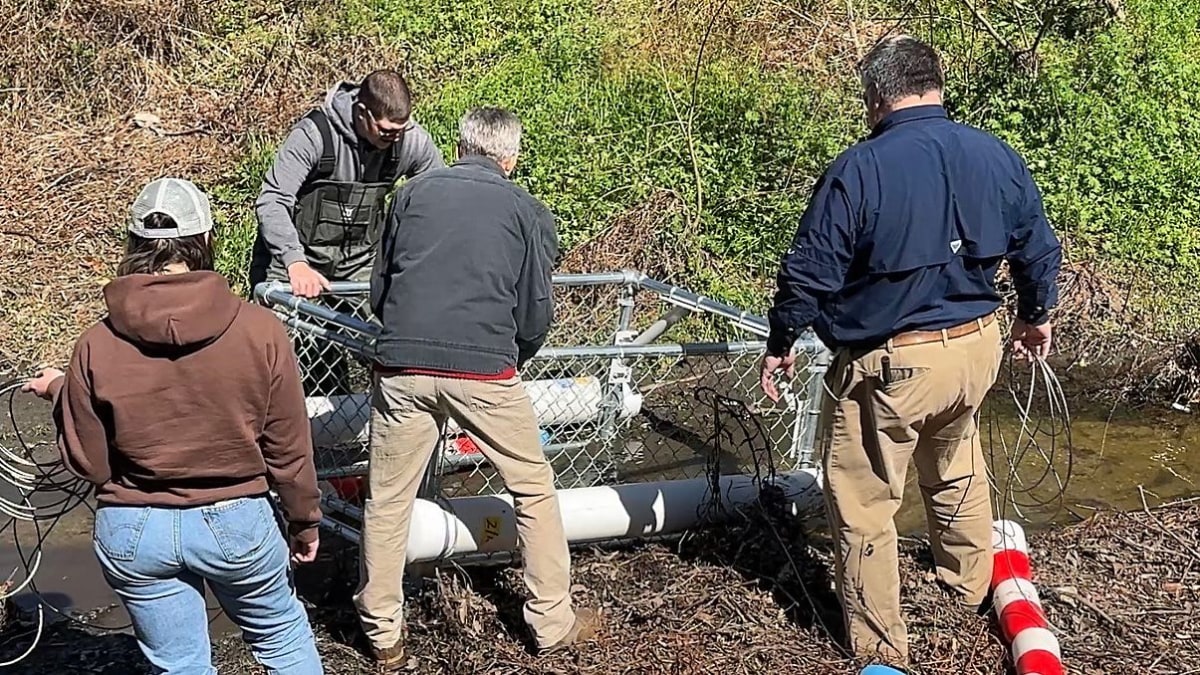
The solution turned out to be surprisingly simple. Sound Rivers installs trash traps in urban waterways to catch floating debris before it breaks down into harmful microplastics. These tiny particles end up in soil, drinking water, and even the bodies of fish and other wildlife.
Volunteer coordinator Emily Fritz calls their network of helpers "the machine that helps get Sound Rivers' mission accomplished." Recently, volunteers collected 84 pounds of trash in Smithfield before installing a new trap. Once the traps are placed, volunteers return monthly to empty and weigh the catch.
Ed Sanderford volunteers with Friends of Johnston County Parks and Open Space to maintain the traps. His group coordinates regular cleanups and scouts new locations where traps could make a difference.
The numbers tell an inspiring story. Just 13 traps have already collected more than 14,000 pounds of trash from North Carolina's rivers. Each piece of plastic caught means one less bottle or wrapper breaking into microplastics that contaminate the environment.
Why This Inspires
Johnston County Parks and Open Space Director Adrian O'Neal sees the program creating "citizen scientists" who learn by doing. When volunteers sort through what the traps catch, they recognize their own packaging choices reflected back at them. Many start buying differently, choosing products without plastic packaging.
The program welcomes helpers as young as two years old. Fritz says these youngest volunteers are learning environmental stewardship before they can even read, building habits that will protect waterways for decades to come.
Sound Rivers relies entirely on volunteers to monitor existing traps and identify new locations. The small nonprofit covers a massive geographic area, making community involvement essential to their success.
The visible impact keeps people coming back. Volunteers don't just weigh numbers on a scale; they see clearer water and healthier habitats taking shape before their eyes.
Anyone interested can sign up to manage a trap for a month, and Sound Rivers provides all the equipment and training needed. The organization is actively seeking both new trap locations and funding to expand the program across more watersheds.
More Images
Based on reporting by Google: volunteers help
This story was written by BrightWire based on verified news reports.
Spread the positivity!
Share this good news with someone who needs it