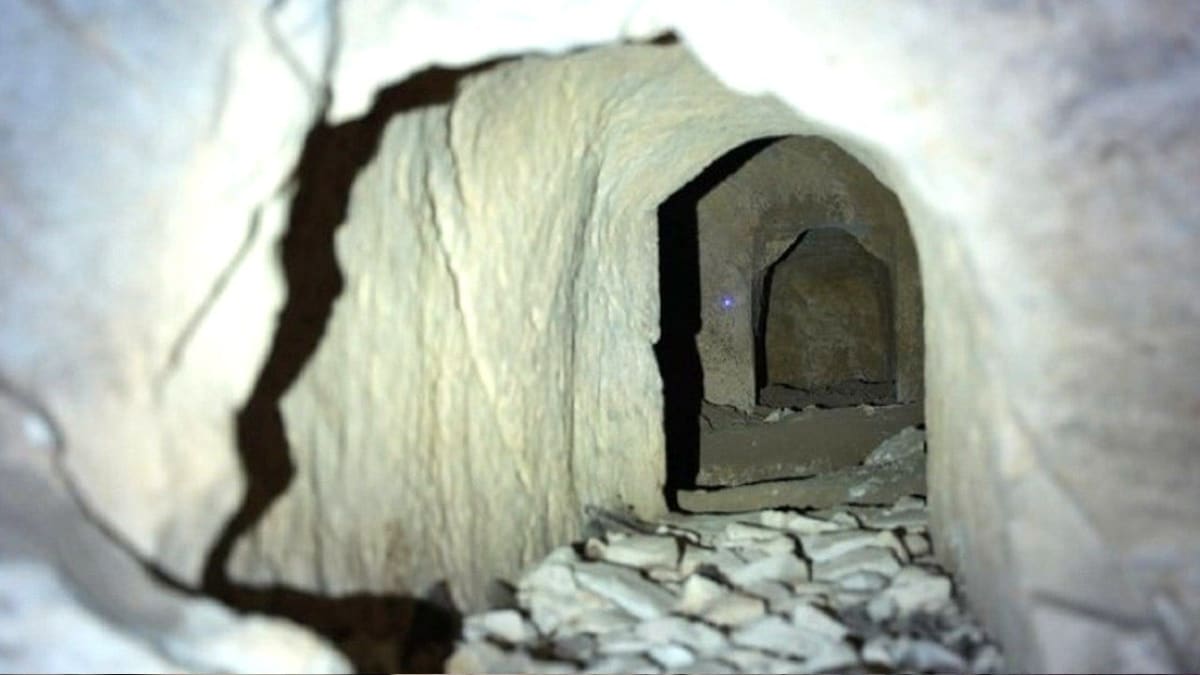
Neanderthals and Humans Teamed Up 110,000 Years Ago
A newly excavated cave in Israel reveals that Neanderthals and early humans didn't just cross paths—they shared tools, burial practices, and possibly symbolic rituals. This discovery rewrites our understanding of early human cooperation.
Scientists just found something remarkable in a cave in central Israel: evidence that our ancient ancestors and Neanderthals might have lived, worked, and buried their dead side by side 110,000 years ago.
Tinshemet Cave has been quietly rewriting human history since excavations began in 2017. Researchers from Hebrew University of Jerusalem and Tel Aviv University just published their first major findings in Nature Human Behaviour, and the picture they paint is stunning. Instead of two separate groups avoiding each other, the evidence shows something closer to neighbors sharing knowledge and traditions.
The stone tools scattered across the cave floor tell a story that confuses the usual categories. Some cutting techniques look distinctly Neanderthal, while others match early Homo sapiens methods. Animal bones suggest both groups hunted in similar ways, possibly learning from each other over generations. The mixing is so thorough that experts can't always tell which group made which tools.
Even more striking are the burials. The team discovered multiple graves containing stone tools, animal bones, and pieces of ochre, a red pigment. These are the first mid-Middle Palaeolithic burials found in the region in over 50 years. The careful arrangement suggests these weren't random acts but intentional rituals that might have been shared between populations.
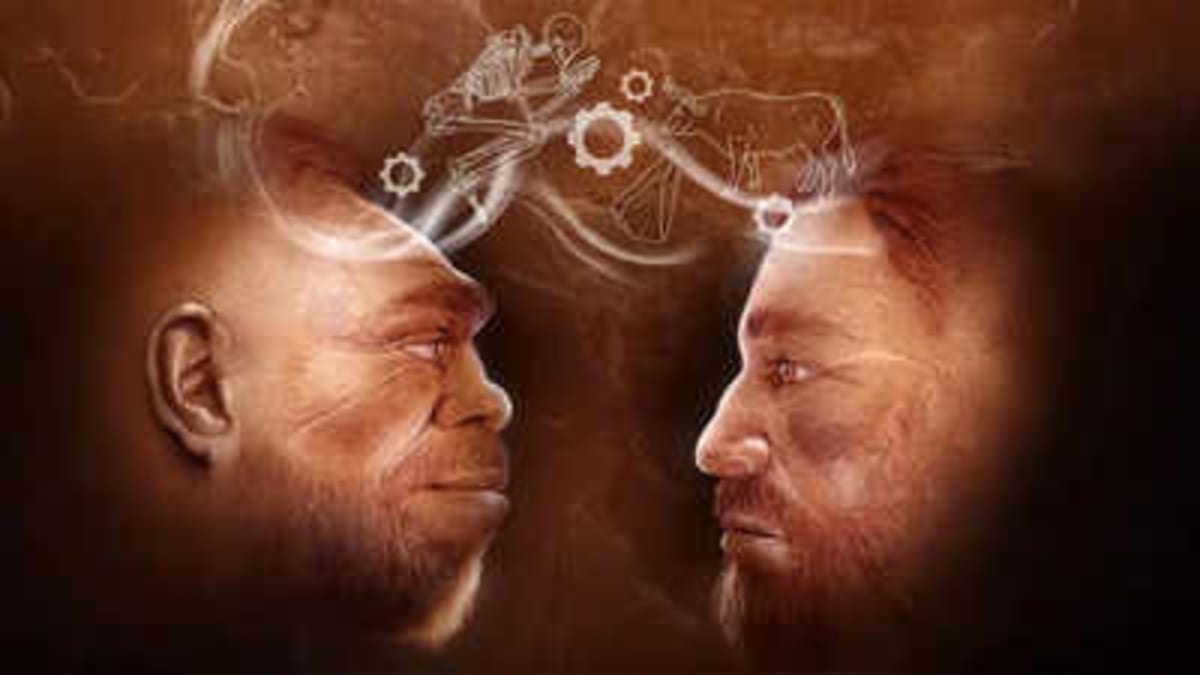
The ochre itself hints at something profound. Red and orange pigments appear throughout different excavation layers. Researchers believe it was used for body decoration, which suggests both groups were thinking symbolically, maybe signaling group identity or status. That kind of thinking doesn't develop in isolation.
Professor Yossi Zaidner describes the Levant during this period as a crossroads where populations moved through, stayed for generations, then moved again. The region wasn't a border dividing groups but a meeting point where contact happened frequently. When more people share the same favorable climate zones, cultures naturally overlap and influence each other.
The Ripple Effect
This discovery does more than fill in historical gaps. It challenges the whole idea that human evolution moved along neat, separate tracks. The evidence from Tinshemet Cave suggests our story is messier and more collaborative than we thought. Different human populations didn't just compete—they connected, shared, and shaped each other's cultures in ways that probably influenced how we developed as a species.
Excavations are still ongoing, with more findings expected in coming years. What researchers have already uncovered points toward a richer, more interconnected early human society than anyone previously imagined.
More Images



Based on reporting by Times of India - Good News
This story was written by BrightWire based on verified news reports.
Spread the positivity!
Share this good news with someone who needs it
%2Fhttps%3A%2F%2Ftf-cmsv2-smithsonianmag-media.s3.amazonaws.com%2Ffiler_public%2Ff8%2F2a%2Ff82aae37-3a31-4995-b8f3-4be66db320c8%2Fmembers_of_the_research_team_during_the_documentation_and_analysis_work.jpeg)