Nebraska Gets First Proton Beam Cancer Treatment Machine
A 67,000-pound proton beam therapy device just arrived at Nebraska's Fred & Pamela Buffett Cancer Center, ending a "proton desert" spanning 500 miles. The breakthrough machine will give kids and cancer patients across the Midwest access to cutting-edge treatment without leaving home.
For the first time in Nebraska's history, cancer patients won't have to choose between getting recommended treatment and uprooting their entire lives.
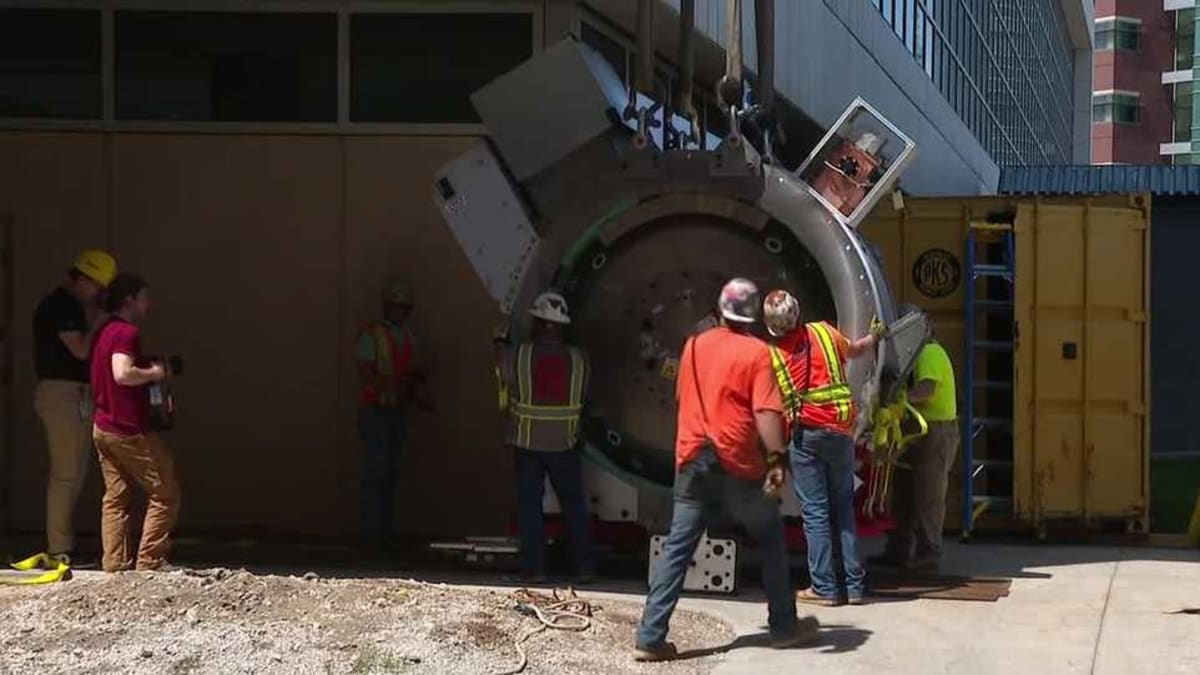
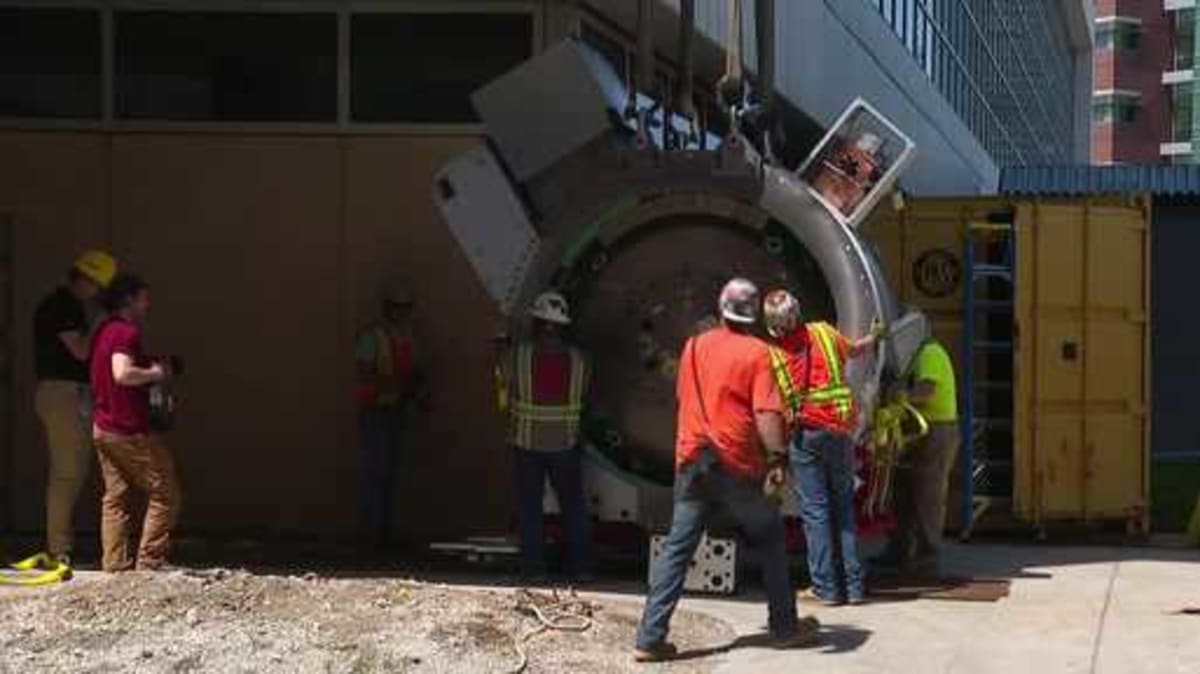
A massive proton beam therapy device arrived at Omaha's Fred & Pamela Buffett Cancer Center this weekend after a 1,400-mile journey from Boston. At 33.5 tons, it's not just heavy. It's a game changer.
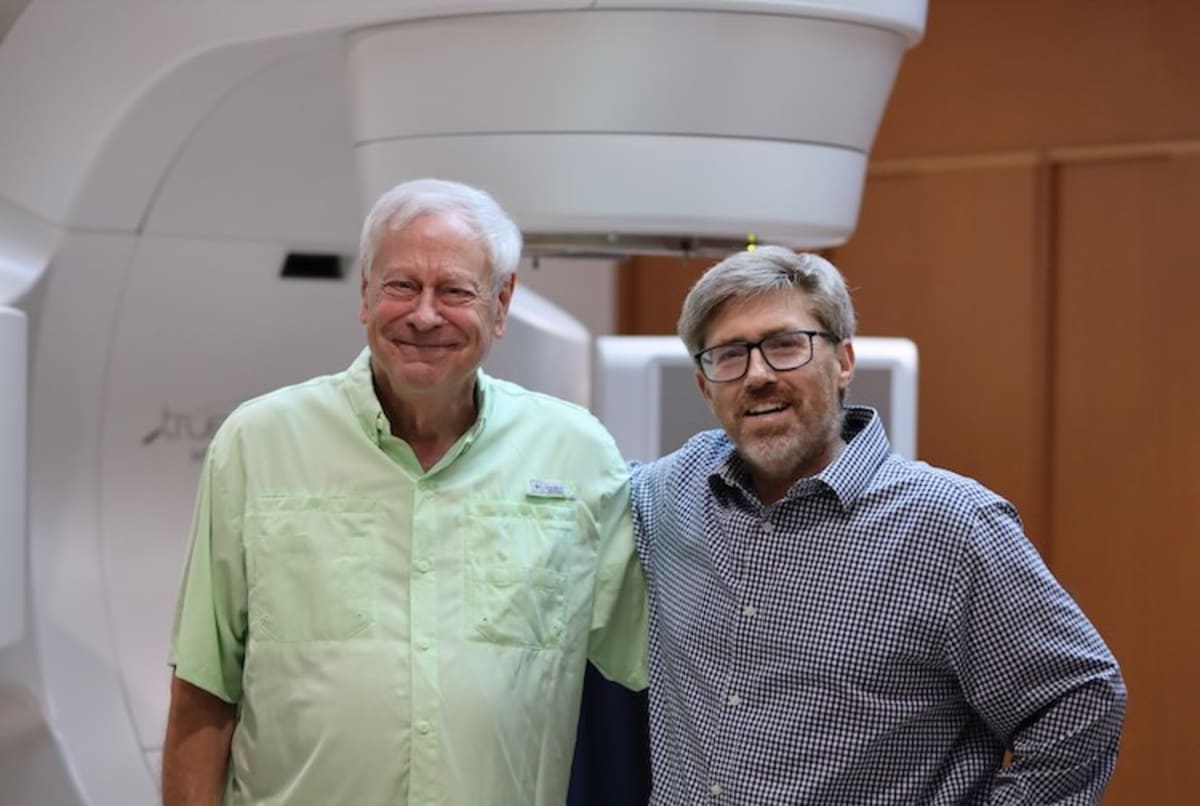
"Something that started 10 years ago is coming much closer to being a reality," said Dr. Charles Enke, chair of the Department of Radiation Oncology. "This really is kind of the cherry on top."
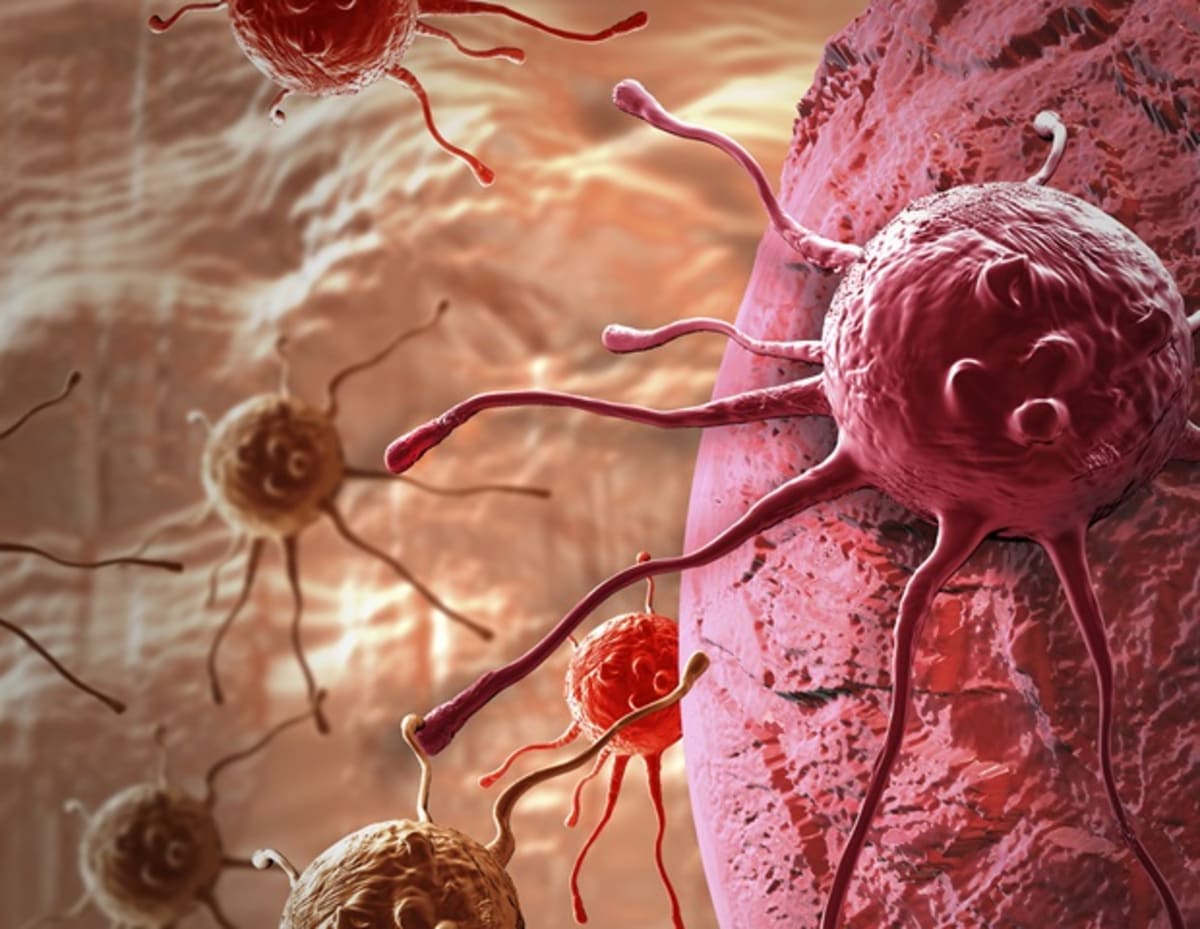
The technology works like a sniper rifle compared to traditional radiation's shotgun approach. Proton beam therapy delivers precise radiation doses that destroy cancer cells while protecting healthy tissue around them.
That precision makes all the difference for children with cancer. Their smaller bodies and developing organs need extra protection, and this machine delivers exactly that.
Before now, the central United States was considered a "proton desert." Most machines cluster on the East and West coasts, leaving millions of patients in the middle of the country facing an impossible choice.
Over 200,000 people get recommended for proton therapy each year. Most can't afford to move away from jobs, family, and support systems for months of treatment. They choose different options instead, even when proton therapy would work best.
The Ripple Effect
This single machine will serve patients across a 500-mile radius. Nebraska, Iowa, South Dakota, and Colorado residents will now have access to treatment that was previously out of reach.
Families won't have to drain savings accounts for temporary housing in distant cities. Kids won't have to leave their schools and friends during the hardest time of their lives. Parents won't have to choose between staying employed and getting their child the best care.
The center expects to treat its first patient in about a year, after installation and testing wrap up. Dr. Enke calls it the highlight of his career, and it's easy to see why.
One machine, covering 500 miles, serving four states, changing countless lives.
More Images
Based on reporting by Google News - New Treatment
This story was written by BrightWire based on verified news reports.
Spread the positivity!
Share this good news with someone who needs it