Nebraska Tests Carbon Capture for Google Data Center
A proposed Nebraska project could power one of America's largest data centers while testing carbon capture technology at an unprecedented scale. The facility aims to meet surging AI energy demands without raising local electricity costs.
Nebraska farmland could soon host a groundbreaking experiment that tackles two of America's biggest challenges: powering artificial intelligence while cleaning up emissions.
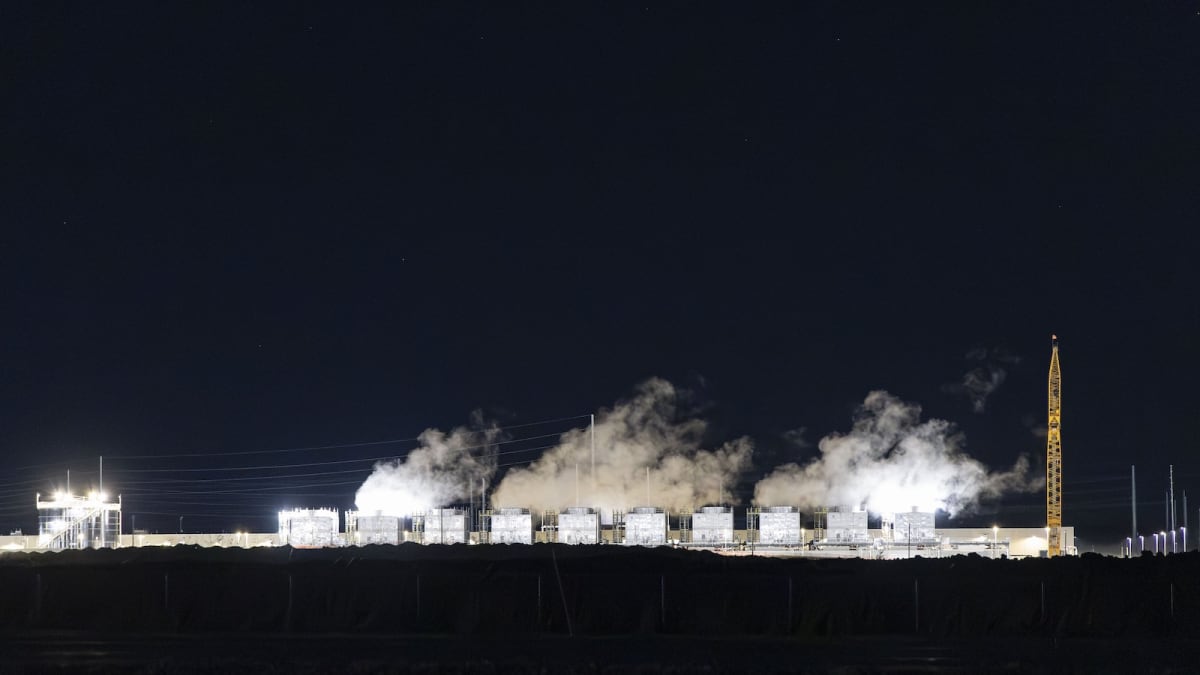
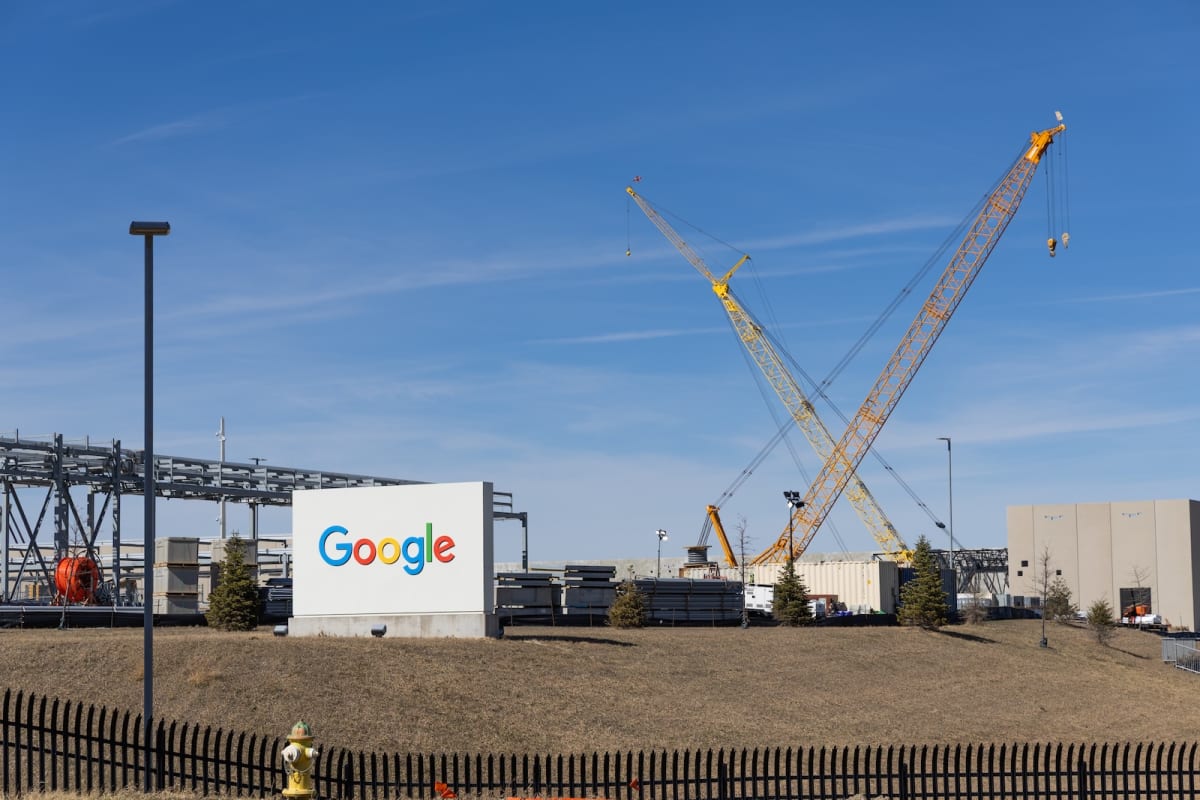
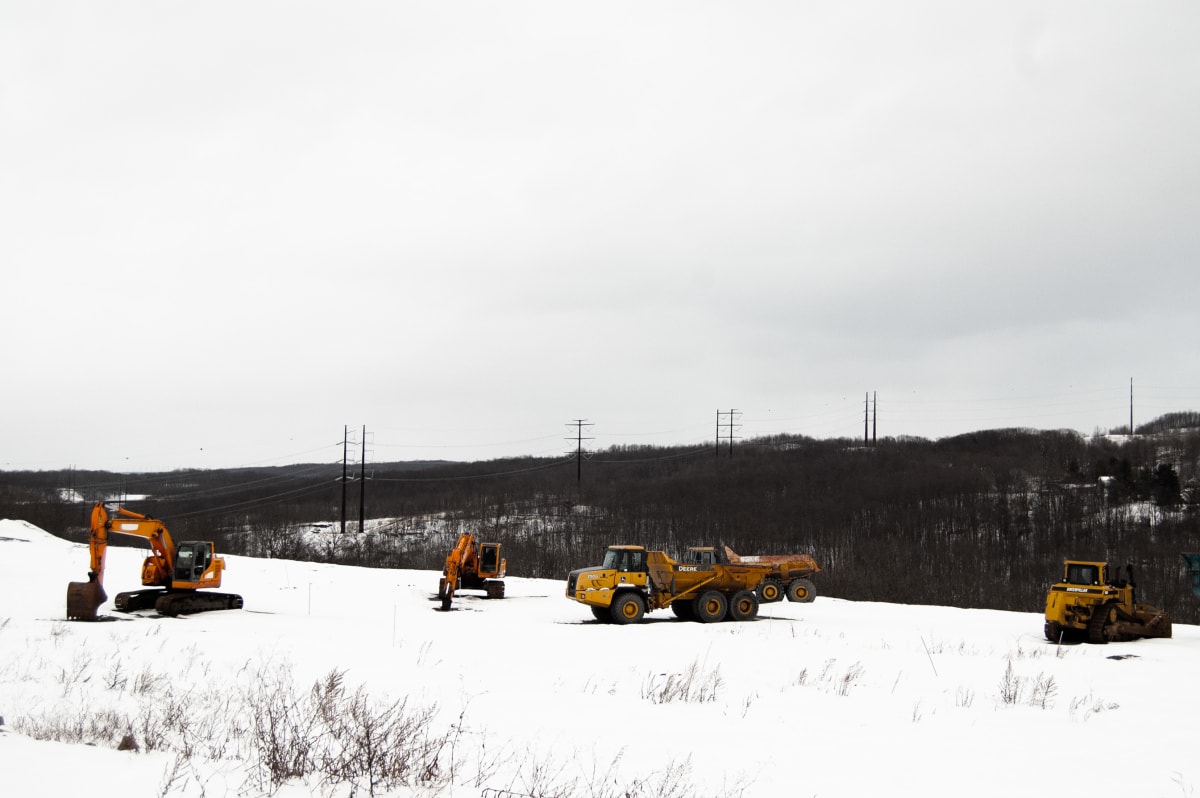
Documents reveal plans for a massive data center in southeast Nebraska that would run on natural gas power equipped with carbon capture technology. The proposed facility would use up to 3,000 megawatts of power, more than the state's current largest power plant generates.
Energy developer Tenaska has secured options on over 2,600 acres of farmland near existing gas pipelines. The project would include Google operating the data center, with Tallgrass Energy potentially supplying natural gas and transporting captured carbon emissions underground.
The timing reflects a nationwide challenge. Data centers, especially those powering AI, consume enormous amounts of electricity. Nebraska could see data centers using over 20 percent of its total electricity by 2030, according to the Electric Power Research Institute.
What makes this proposal different is how it addresses local concerns. A new state bill would allow private power plants to connect to the public grid and sell excess electricity back. This means everyday ratepayers wouldn't shoulder the costs of powering energy-hungry tech facilities.
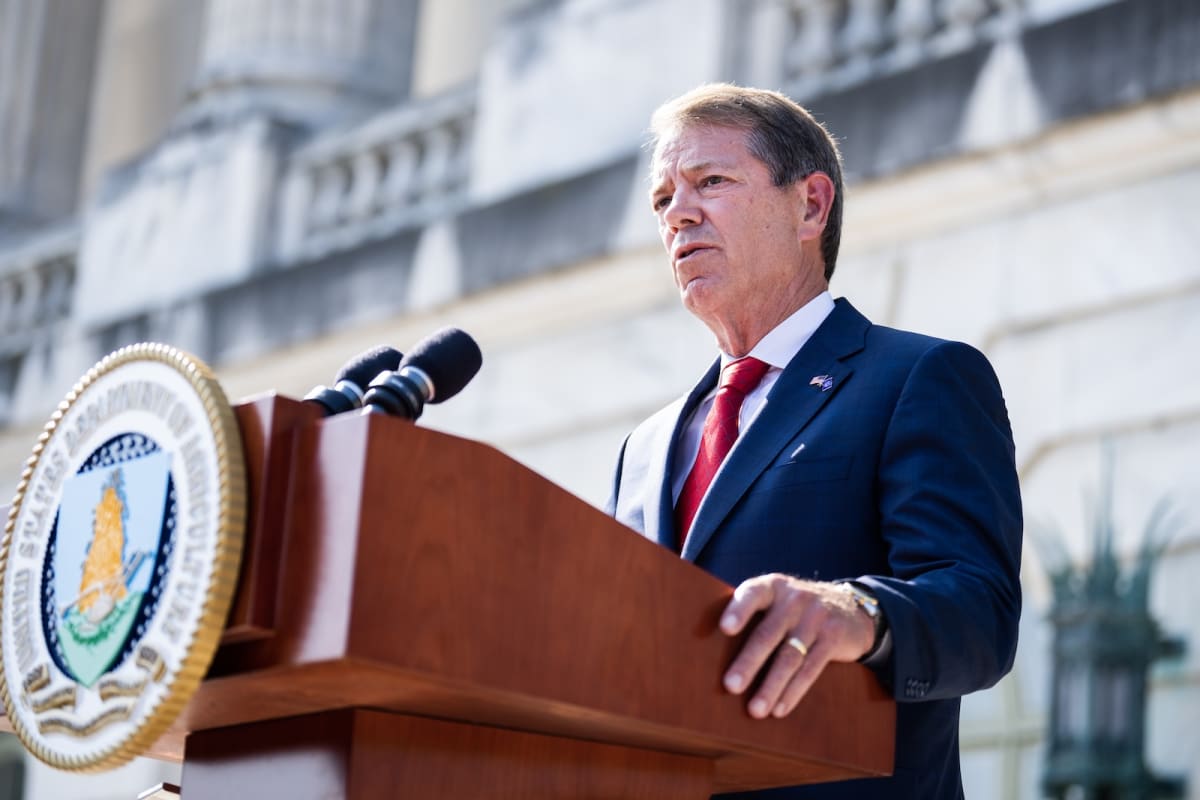
Governor Jim Pillen's office says the legislation aims to attract major investments while protecting residents from higher utility bills. Multiple companies have expressed interest in building in Nebraska if the bill passes, though none have committed yet.
The Bright Side
The project represents a potential win on multiple fronts. Nebraska's economy would benefit from major tech infrastructure investment in rural areas traditionally dependent on agriculture. Local power grids could access additional electricity capacity during peak demand times.
The carbon capture component offers a real-world test of technology that could help reduce emissions from natural gas plants. While carbon capture remains unproven at large scales, successful deployment here could provide valuable data for future clean energy projects nationwide.
States across America face similar decisions about meeting explosive energy demand from AI and data centers. Nebraska's approach of private investment paired with public grid benefits could become a model for balancing economic growth with community needs.
If approved, the facility could begin operating by 2029, bringing jobs and infrastructure investment to rural communities while advancing carbon management technology.
More Images
Based on reporting by Grist
This story was written by BrightWire based on verified news reports.
Spread the positivity!
Share this good news with someone who needs it