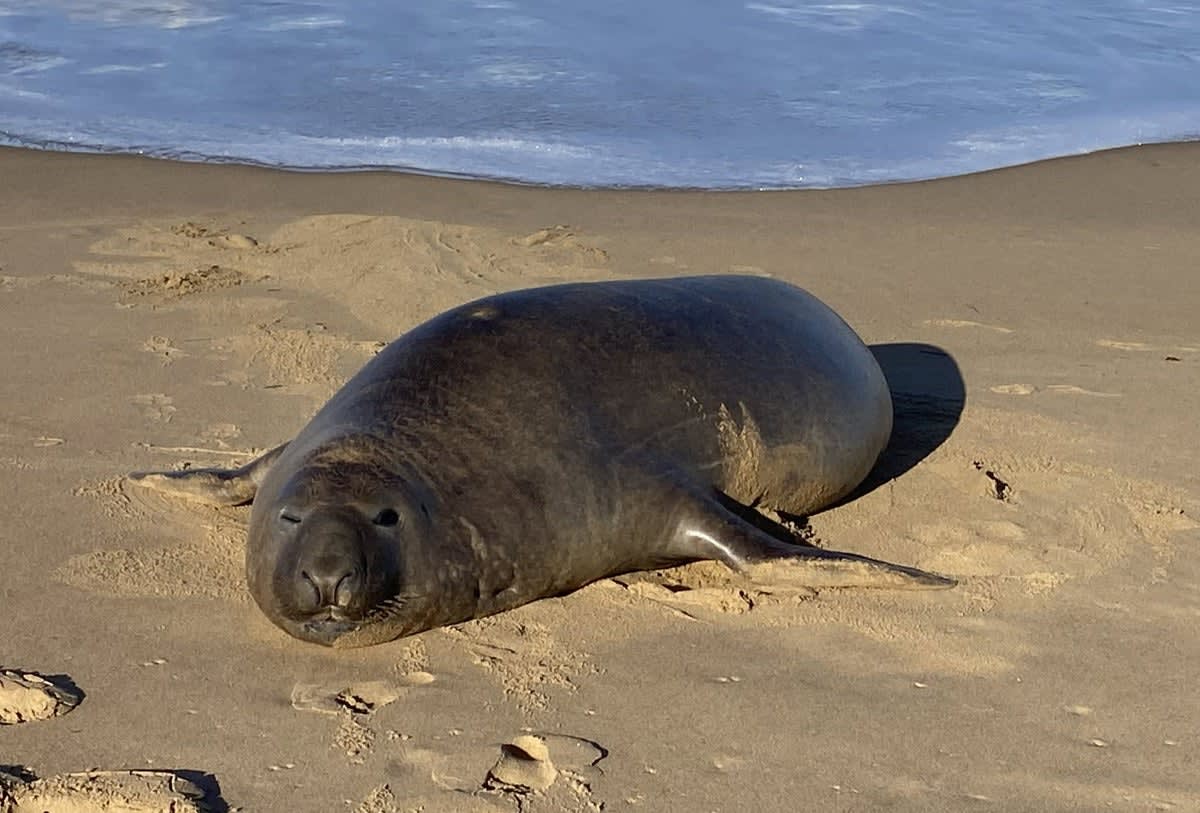
Neil the Seal: Tasmania's Viral Chaos Agent Has a Sweet Reason
A one-ton elephant seal named Neil has captured 1.5 million hearts by smashing cars and blocking traffic in Tasmania. Scientists say his adorable chaos signals hope for a species once hunted to extinction in the region.
When a one-ton elephant seal starts ramming cars and toppling road posts, most people would run for cover. Instead, 1.5 million social media fans fell head over heels for Neil.
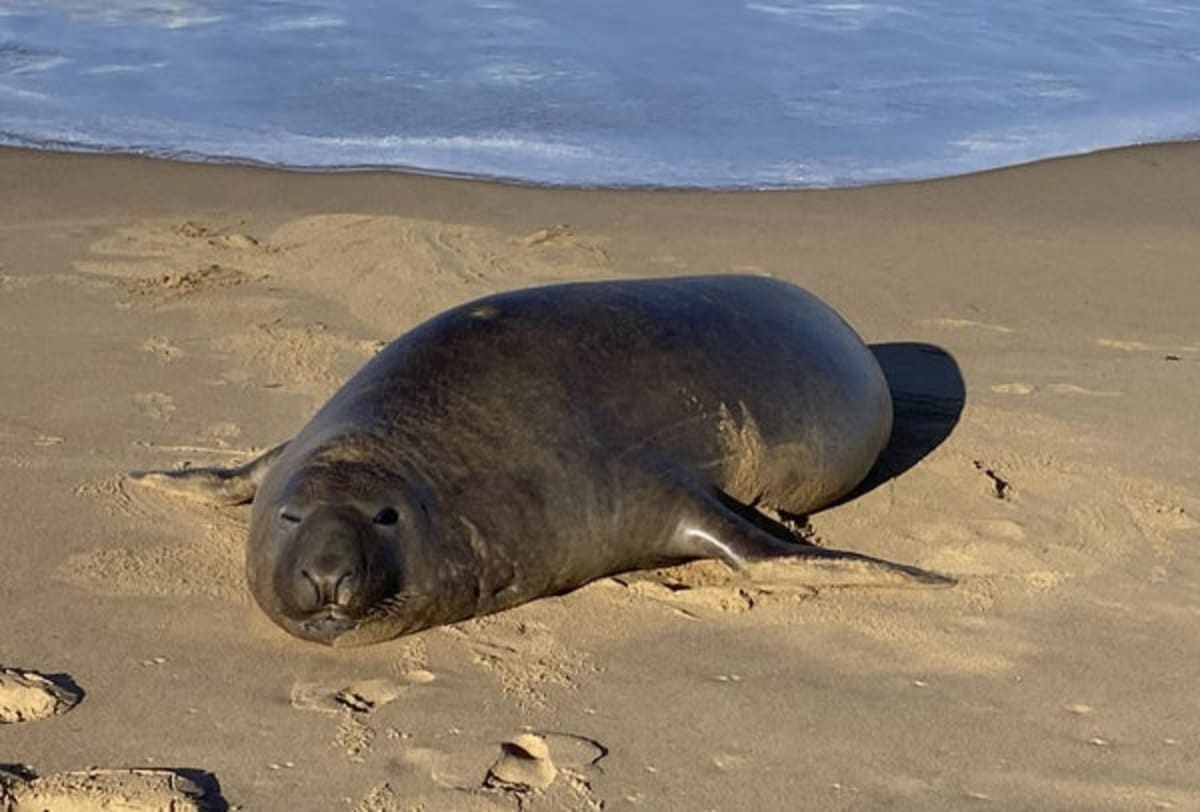
The five-year-old southern elephant seal has been causing delightful mayhem across Tasmania's coastal towns, sleeping in neighborhoods and blocking traffic like he owns the place. But marine biologists say Neil isn't misbehaving at all.
"Neil the seal is exhibiting some typical behaviors of elephant seals, like returning faithfully to the same place every year," says Roxanne Beltran, an ecologist at the University of California, Santa Cruz. His navigation skills are actually remarkable, using an innate "map sense" to find his way back after months foraging in the deep ocean.
Neil was born in Tasmania in 2020 weighing just 90 pounds. Wildlife officials rescued him from a sandbar where he risked drowning after his mother likely gave birth in an emergency situation at sea.
Now he's much bigger and showing off typical teenage elephant seal energy. Young male seals usually joust with each other, bumping chests and play-fighting before adulthood.
The problem? Neil is completely alone. "Since there are no other seals, he finds other things like cars and posts and cones to express that natural normal behavior," explains Cara Field, director of conservation medicine at the Marine Mammal Center in California.
The Bright Side
Neil's chaotic return to Tasmania could mark a turning point for southern elephant seals. The species was completely wiped out in Tasmania by hunters during the early 1800s and remains listed as vulnerable in Australia today.
"Neil is potentially one of the first southern elephant seal pups to be born back in Tasmania," says Kris Carlyon, a biologist with Tasmania's Department of Natural Resources and Environment. His faithful returns each year might signal the beginning of species recovery in waters where his ancestors once thrived.
The species still faces serious threats from climate change, overfishing, and avian influenza. But Neil's presence proves nature can reclaim lost ground, even if it means a few dented bumpers along the way.
Wildlife officials are asking Neil's growing fan club to admire him from a safe distance for everyone's protection. Meanwhile, this lonely teenager will keep doing what young elephant seals do best: causing chaos, stealing hearts, and maybe paving the way for his species to come home.
More Images

Based on reporting by Scientific American
This story was written by BrightWire based on verified news reports.
Spread the positivity!
Share this good news with someone who needs it
%3Amax_bytes(150000)%3Astrip_icc()%3Afocal(791x364%3A793x366)%2Fwood-stork-1-081926-6231d96498734f5aa989ea792e319731.jpg)
