Nepal Communities Fight Climate Crisis With Nature
Indigenous communities in Nepal are turning forests and wetlands into powerful climate shields. Their nature-based solutions protect vulnerable populations while creating jobs and strengthening local economies.
In Nepal, one of the world's most climate-vulnerable countries, Indigenous communities are proving that the best solutions to environmental disasters often come from nature itself.
The mountain nation faces devastating floods, landslides, and droughts that hit marginalized groups hardest. Women, lower-caste Dalits, and Indigenous peoples bear the brunt of climate disasters, yet receive less than one percent of global climate funding despite protecting crucial ecosystems.
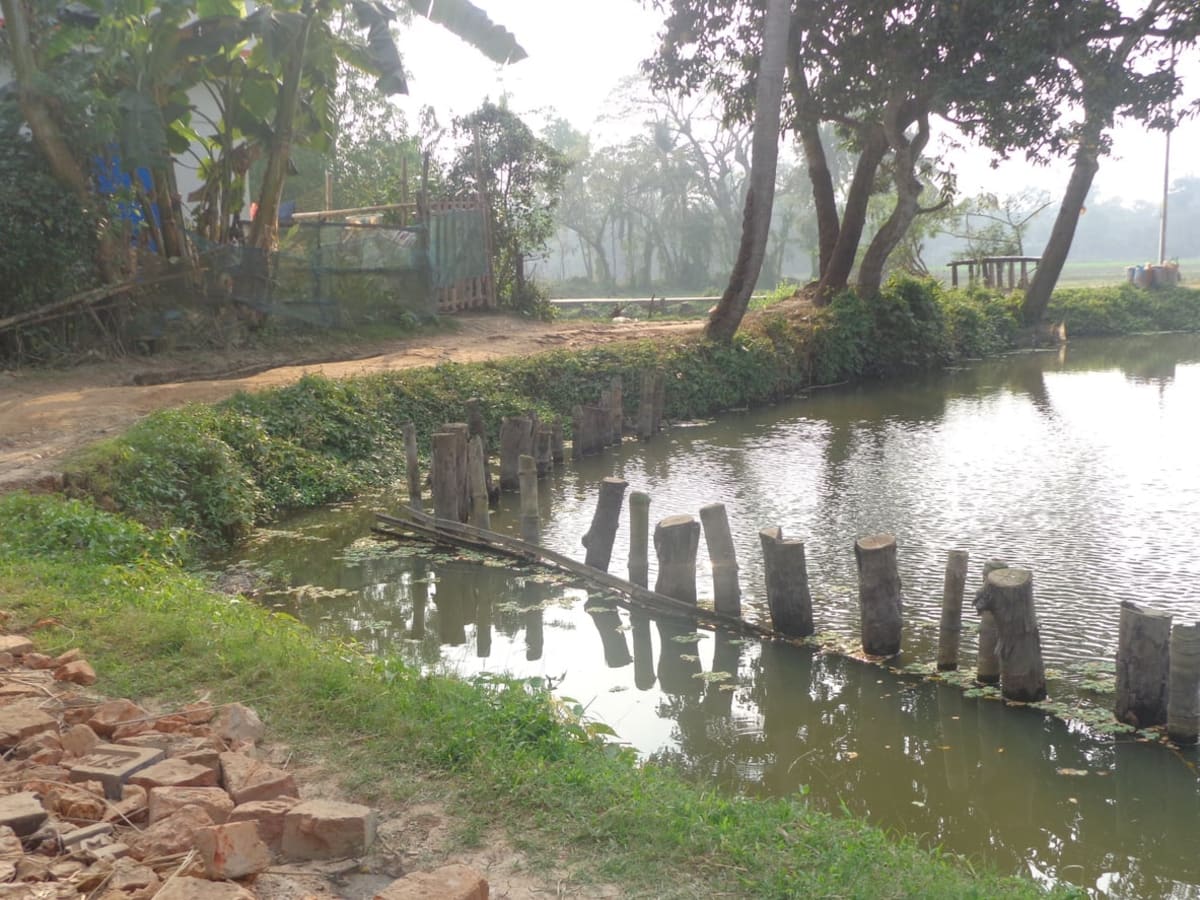
Now these same communities are fighting back with nature-based solutions that work. Bioengineering techniques using plants and natural materials stabilize dangerous slopes and protect riverbanks from flooding. Restored wetlands and forests act as natural buffers against extreme weather while supporting local wildlife and water sources.
Traditional practices are making a comeback too. Shifting cultivation, an ancient farming method used by Indigenous groups, naturally captures carbon from the atmosphere. Community forestry programs and watershed restoration projects create sustainable fish populations and protect farmland without expensive imported fertilizers.
These solutions deliver double wins. Reforested slopes prevent deadly landslides while providing timber and medicinal plants. Restored floodplains recharge groundwater supplies and create habitats that support local fishing economies.
The approach empowers people who've been sidelined for too long. Local communities lead the projects, making decisions about their own resources and landscapes. They're becoming environmental managers and economic drivers in their regions.
The Ripple Effect
The benefits extend far beyond disaster prevention. Nature-based projects are creating green jobs in forest management, restoration work, and sustainable agriculture. Communities that once struggled with unemployment now have stable work protecting and restoring ecosystems.
These locally led initiatives strengthen climate resilience without dependence on outside resources. Villages that restore their wetlands gain flood protection, improved water quality, and renewed fish populations that feed families and generate income.
The success in Nepal shows what's possible when climate solutions put Indigenous knowledge and local leadership first. Communities protecting their forests aren't just safeguarding trees but preserving ecosystem services worth far more than any imported technology could provide.
Rights-based, inclusive approaches ensure the people most affected by climate injustice have real power over solutions. When marginalized groups control restoration projects, benefits flow directly to those who need them most rather than getting lost in bureaucracy.
Nepal's nature-based revolution proves that climate justice and environmental protection go hand in hand when communities lead the way.
Based on reporting by Google News - Climate Solution
This story was written by BrightWire based on verified news reports.
Spread the positivity!
Share this good news with someone who needs it