Nepal Communities Learn to Safely Live with Wild Tigers
Nepal saved tigers and rhinos from extinction, but now communities face deadly attacks. Civil society groups are teaching residents how to predict animal movements and stay safe.
Nepal became a conservation hero by saving tigers and one-horned rhinos from disappearing forever, but that success now puts hundreds of lives at risk every year.
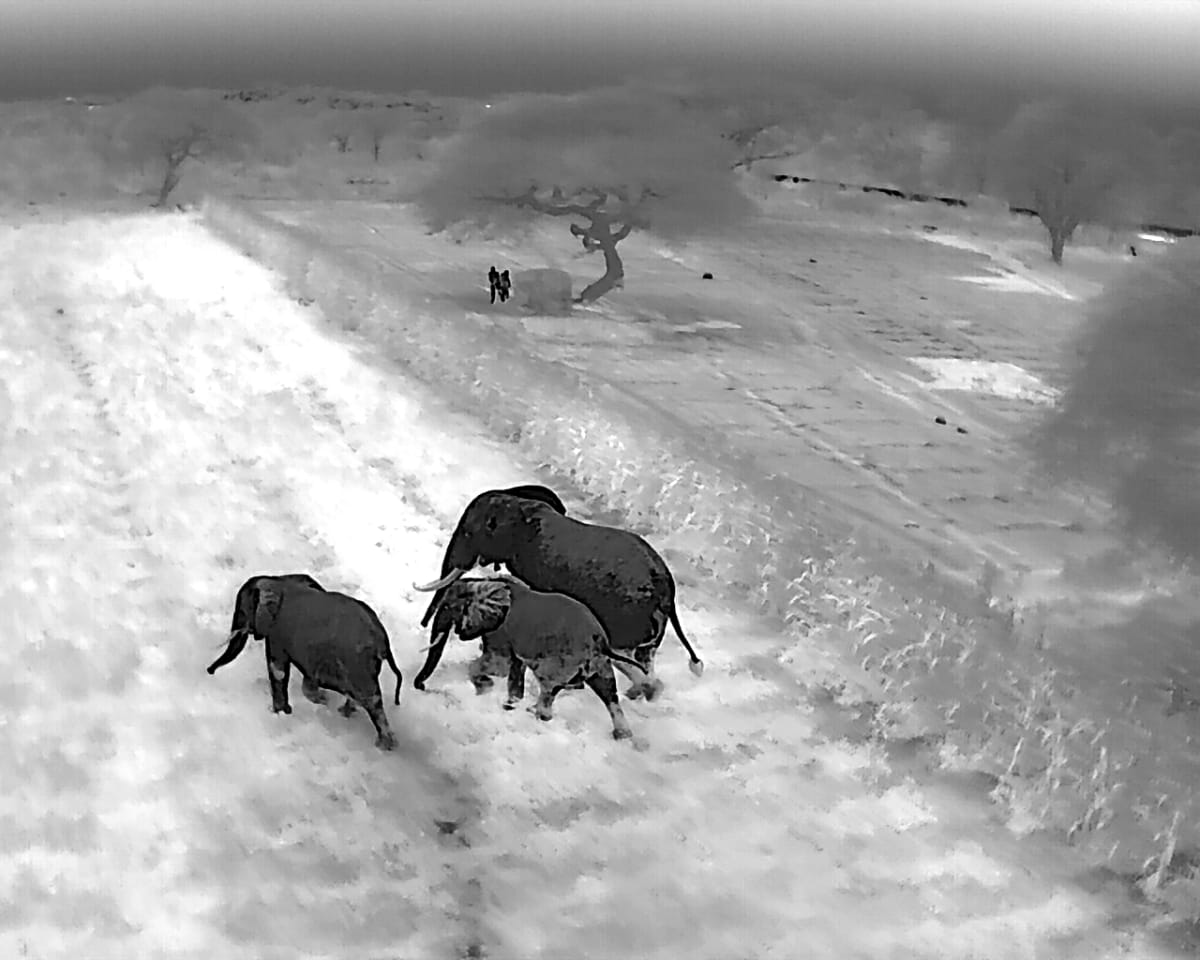
Over the past 50 years, Nepal transformed nearly 20 percent of its land into protected wildlife areas. An aggressive anti-poaching program brought back species like the one-horned rhinoceros and gharial crocodile from the edge of extinction.
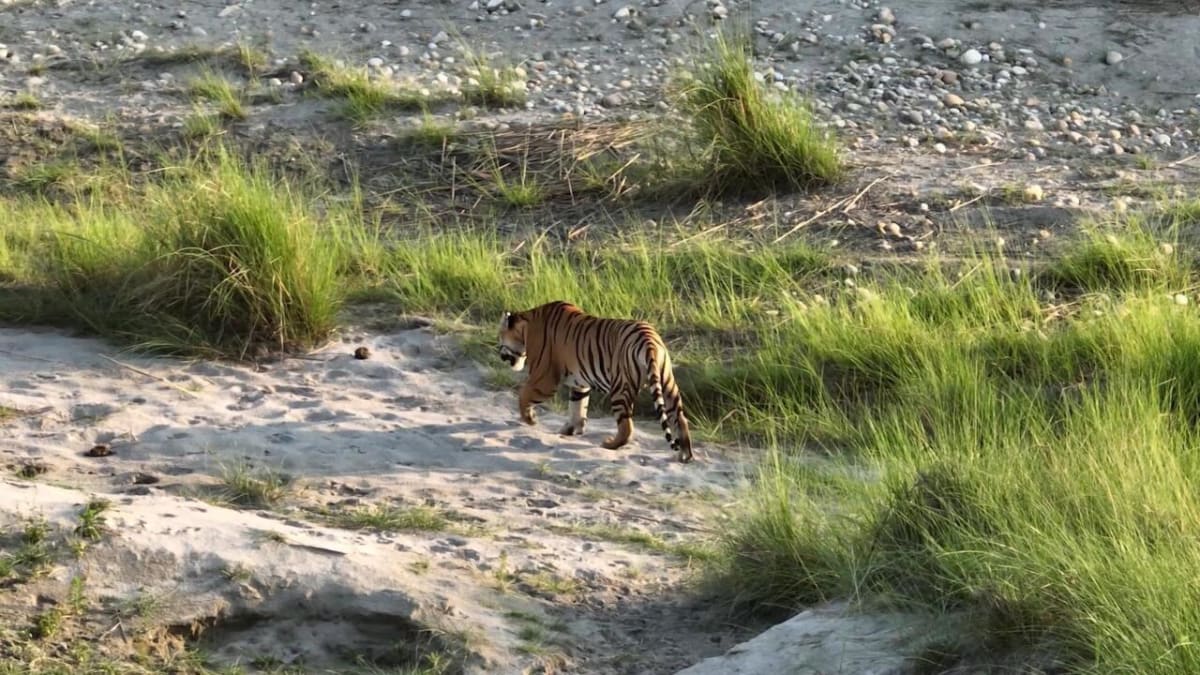
But in the Terai plains, where the world celebrates Nepal's conservation triumph, the reality for local residents looks drastically different. Tiger attacks kill up to three people every month in some areas, and hundreds have died over recent years.
Families who share their land with these powerful predators face an impossible choice. They want to support conservation, but they also desperately need protection for their children, their livestock, and themselves.
The tension in these communities has reached a breaking point. Residents say they no longer just want peaceful coexistence with wildlife. They need real solutions that keep them alive.
The Ripple Effect
Civil society organizations recognized this crisis and stepped in with an innovative approach. Instead of choosing between people or animals, they're teaching communities how to predict and avoid dangerous encounters.
These groups work directly with residents to understand animal movement patterns. By tracking when and where tigers travel, families can adjust their daily routines to stay out of harm's way.
The program transforms fearful neighbors into informed communities. Farmers learn the safest times to tend their fields, parents know when to keep children close to home, and entire villages develop early warning systems.
This knowledge sharing creates something remarkable. Communities that once demanded tigers be removed now actively participate in protecting both wildlife and human life.
Nepal's conservation story shows that saving endangered species is only half the battle. The real victory comes when people and animals can truly share the same space without tragedy.
More Images

Based on reporting by France 24 English
This story was written by BrightWire based on verified news reports.
Spread the positivity!
Share this good news with someone who needs it