Nepal Volunteers Use Drones to Save Villages From Elephants
A group of young volunteers in Nepal is preventing deadly human-wildlife conflicts by using drones, lasers, and local knowledge to safely guide elephants and tigers away from villages. Their creative approach has saved countless lives on both sides.
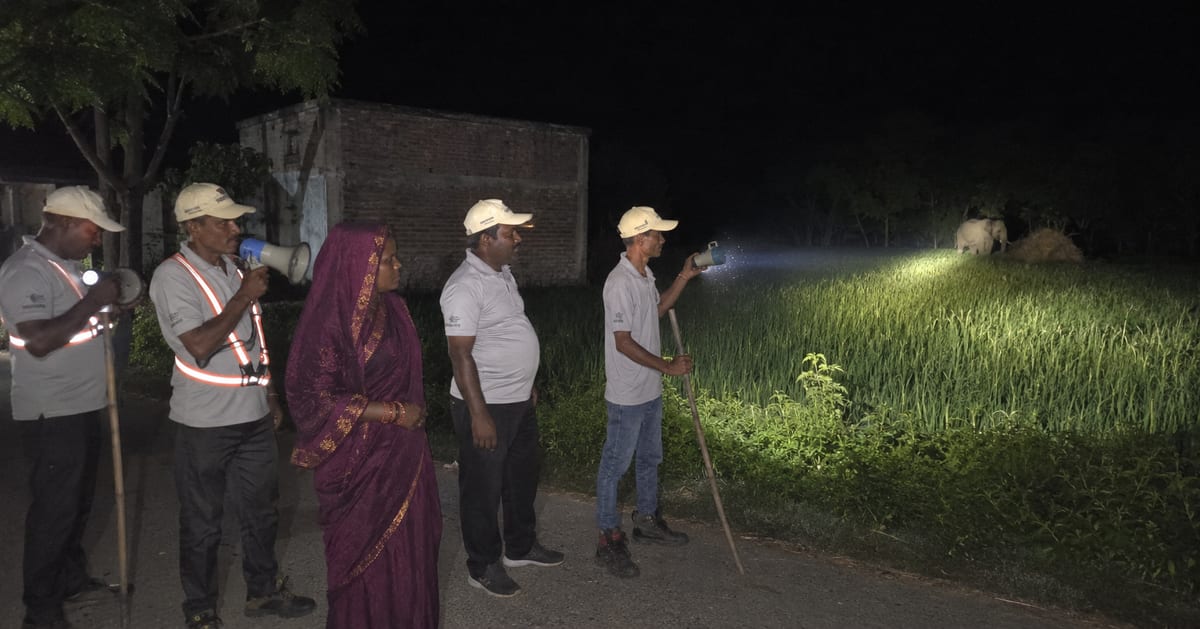
When Ram Raj Dhakal's phone buzzed at 11 p.m., he knew someone's life was in danger. A wild elephant had wandered into a village near Nepal's Bardiya National Park, and frightened residents were waving torches at the agitated animal.
The 22-year-old and his friend raced through the foggy night on a motorbike. When they arrived, they launched a drone into the air above the chaos.
The buzzing sound mimicked a swarm of bees, one of the few things elephants naturally fear. Slowly, the massive creature backed away and disappeared into the jungle.
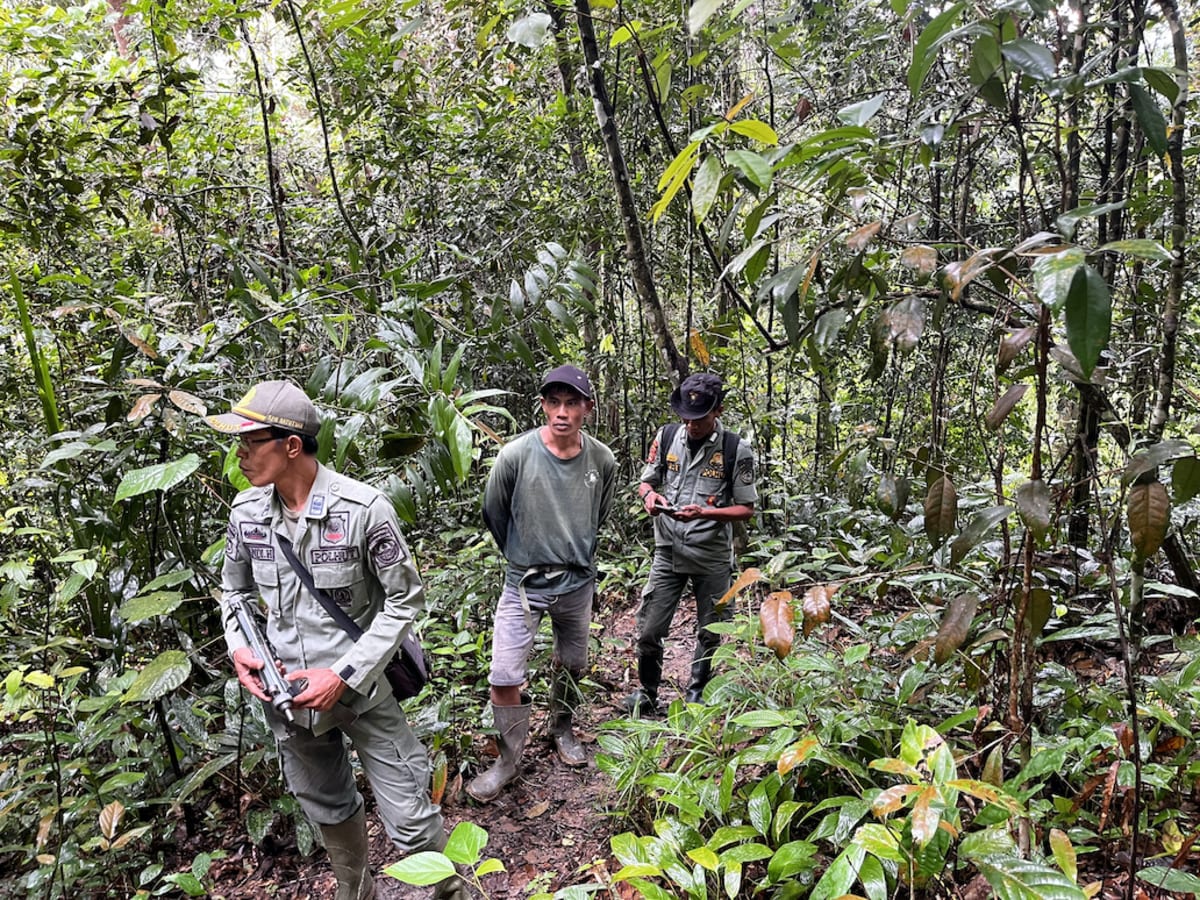
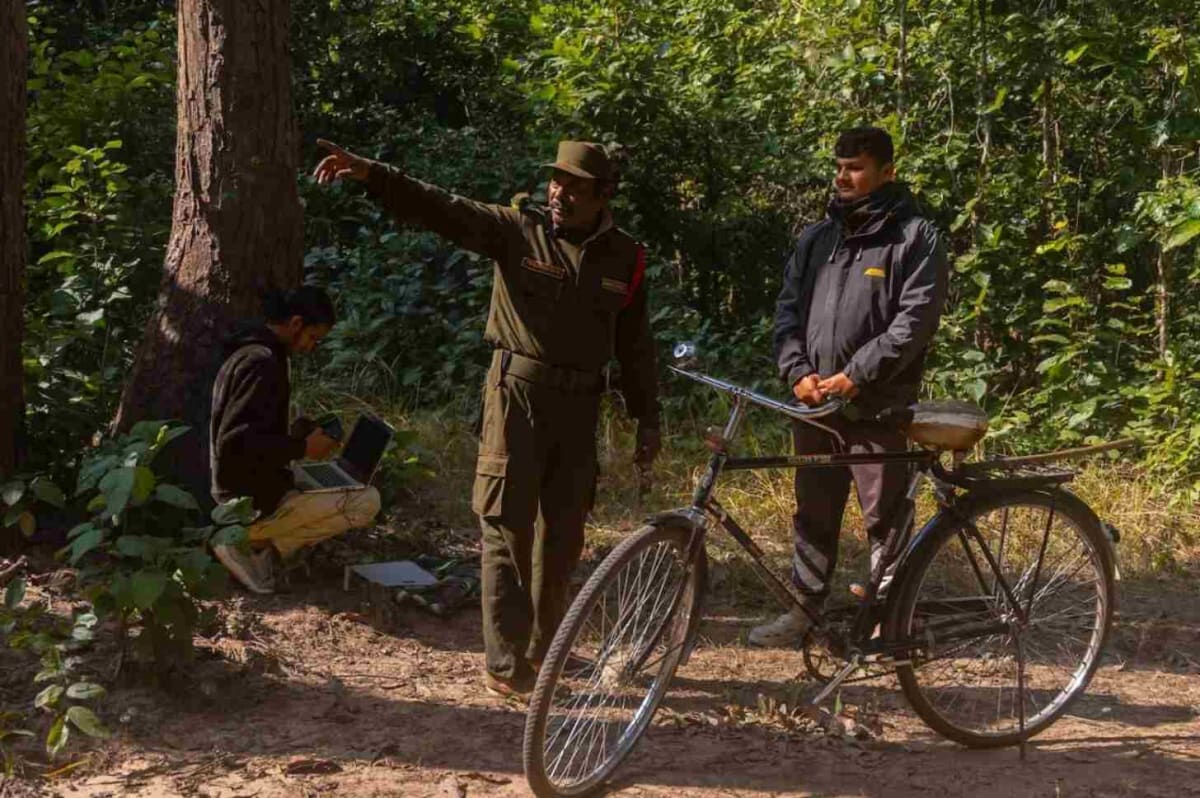
This is just another night for the Community-Based Anti-Poaching Unit (CBAPU) at Thakurdwara. Dhakal and 14 other volunteers spend four months each year standing between their community and wildlife that could destroy homes or kill people.
The conflict between humans and animals in this region is deadly serious. Between 2019 and 2023, 76 incidents in the Bardiya-Banke area killed 54 people and injured 22 others, mostly from encounters with tigers, elephants, and leopards.
The Indigenous Tharu people have lived alongside these forests for generations. But decades of deforestation and agricultural expansion have squeezed wildlife habitats, forcing more dangerous encounters.
CBAPU started in 2009 to fight poaching, but volunteers quickly realized they needed to prevent conflicts before they turned deadly. They combined traditional ecological knowledge passed down through generations with modern tools like firecrackers, laser lights, and drones.
Their work goes beyond chasing elephants at midnight. Volunteers also help families navigate the complicated paperwork required to receive government compensation after wildlife attacks, guiding people through a system that can pay up to $7,500 to families who lose loved ones.
The Ripple Effect
Nepal's conservation success story is remarkable. The country has achieved zero poaching years thanks largely to community groups like CBAPU protecting both wildlife and people.
Electric fences now line some farms, and ecotourism programs give locals economic reasons to protect animals rather than retaliate against them. Camera traps help track wildlife movements, and community patrols alert villages to approaching danger.
The volunteers face real challenges, though. They lack legal recognition, consistent funding, and safety equipment for their dangerous work.
Still, every night an elephant returns safely to the forest and every morning a family wakes up with their home intact proves that humans and wildlife can share the same landscape when communities lead the way.
More Images


Based on reporting by Good Good Good
This story was written by BrightWire based on verified news reports.
Spread the positivity!
Share this good news with someone who needs it