%2Ffile%2Fattachments%2F2985%2F13557334_820613_bc0b9ffa55e2c9f724e8196b6b360cd3.jpg)
Nepal's Gen Z Demands Better Jobs in Historic Election
After youth-led protests last fall forced Nepal's government to resign, nearly 19 million voters are choosing new leaders who promise real change. Young voters added to the rolls could shake up decades of political stagnation.
Nepal is holding its most important election in decades, and young people who took to the streets demanding better jobs and honest government are finally getting their say at the ballot box.
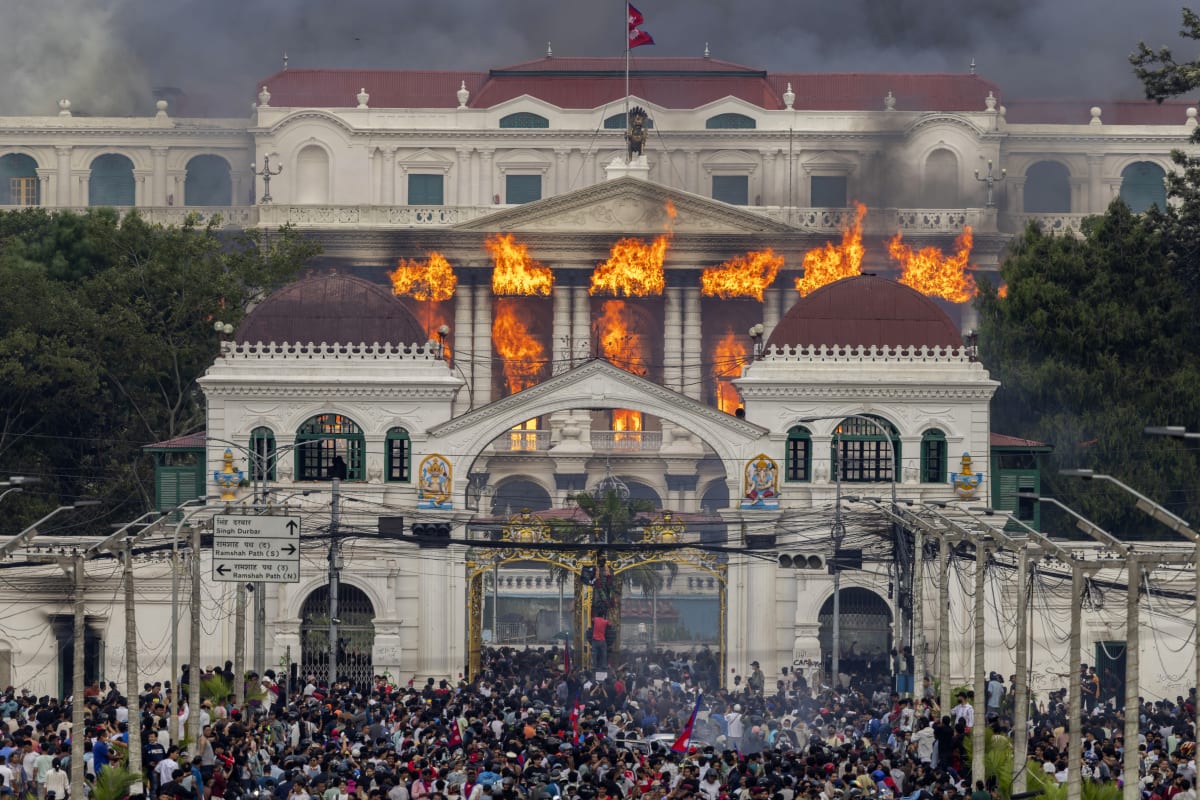
Last September, frustrated youth packed Kathmandu's streets calling for an end to corruption and demanding real jobs with decent wages. The protests turned deadly when 77 people were killed, but they accomplished something rare: forcing Nepal's government to resign and promise real reform.
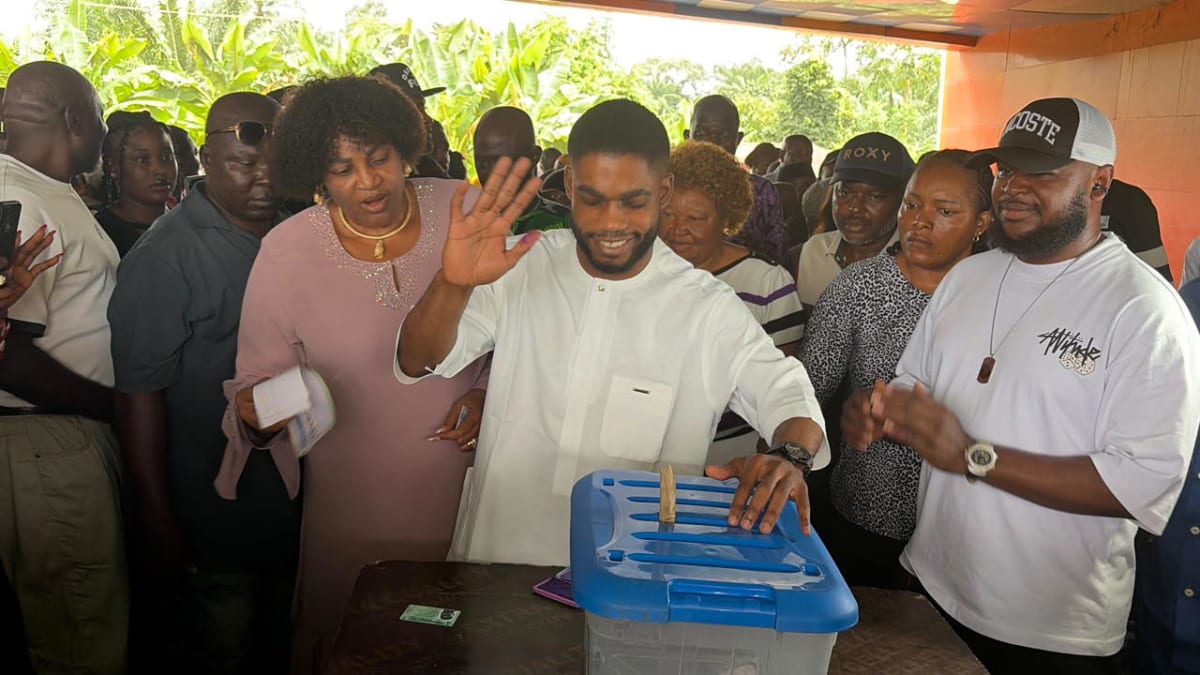
Now nearly 19 million Nepalis are voting for a new 275-member legislature. About one million of those voters are brand new to the process, most of them young people energized by last year's movement.
Bibas Pariyar, a 22-year-old painter, is traveling back to his home district of Gorkha just to cast his ballot. "We need new people who can give work to people, reform agriculture and pay adequate remuneration for workers," he said. "The old politicians only amassed money for themselves through corruption and did nothing for the people."
The numbers tell the story of Nepal's struggle. The Himalayan nation of 30 million people has cycled through 32 different governments since 1990. That political chaos has left the largely farming economy stuck in place, forcing millions of Nepalis to leave home to find work abroad.
This time feels different. Leading the polls is the Rastriya Swatantra Party, a three-year-old centrist group that tapped 35-year-old rapper and former Kathmandu mayor Balendra Shah as their candidate for prime minister. Shah became the face of September's protests and now represents the possibility of breaking the old guard's grip on power.
He's running against K.P. Sharma Oli, 74, a four-time prime minister who resigned after the September killings. The contrast between the two candidates captures what's at stake.
The Ripple Effect
Nepal's election marks the second time in the region that Gen Z protests have triggered national elections, following Bangladesh's movement last year. But Nepal's young activists have learned from watching their neighbors. They've built not just street momentum but actual grassroots organizing power.
Jay Nishaant from the Nepal Democracy Foundation notes that successful movements need three things: a clear agenda, recognizable leaders, and strong organization on the ground. "That's where Nepal may diverge from Bangladesh," he said, pointing out that Bangladesh's youth party won only six seats despite massive protests.
Nepal's young voters aren't just angry. They're organized, registered, and ready to vote for candidates who promise formal jobs with real wages instead of forcing another generation to leave home for work.
Whether the new faces can deliver on their promises remains to be seen, but one thing is already clear: Nepal's youth have changed the conversation about what's possible when people demand better from their leaders.
More Images


Based on reporting by Daily Maverick
This story was written by BrightWire based on verified news reports.
Spread the positivity!
Share this good news with someone who needs it