Nepal's Wild Tiger Population Soars to 429
Nepal just announced its wild tiger count jumped to 429, adding 74 majestic big cats in just four years. The win on World Tiger Day proves conservation works, but protecting the paths tigers roam is now the biggest challenge ahead.
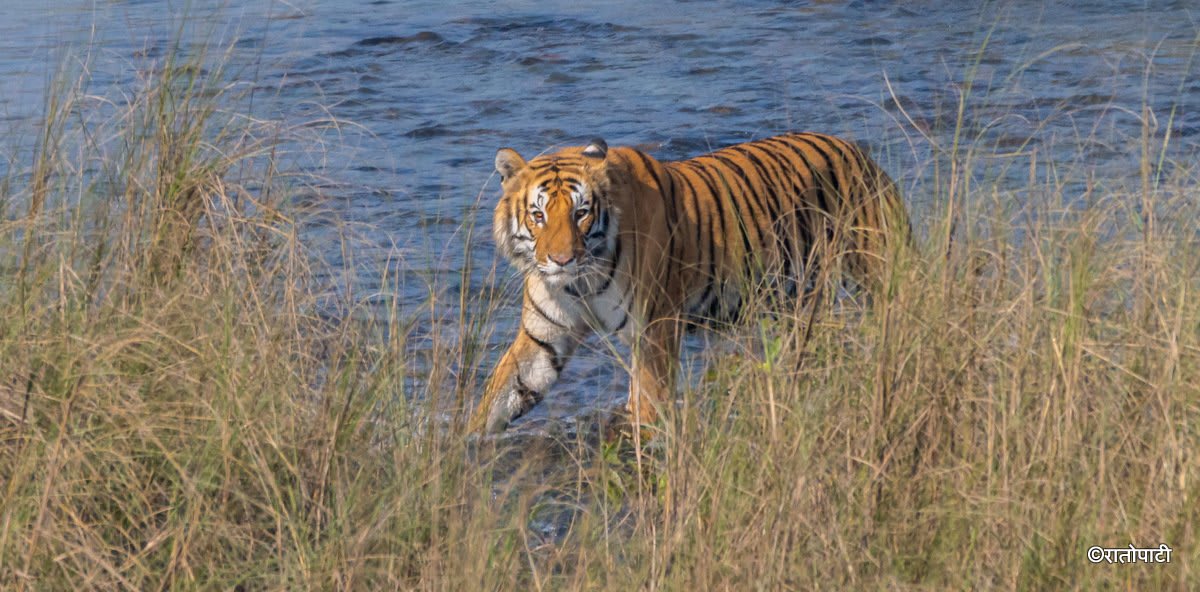
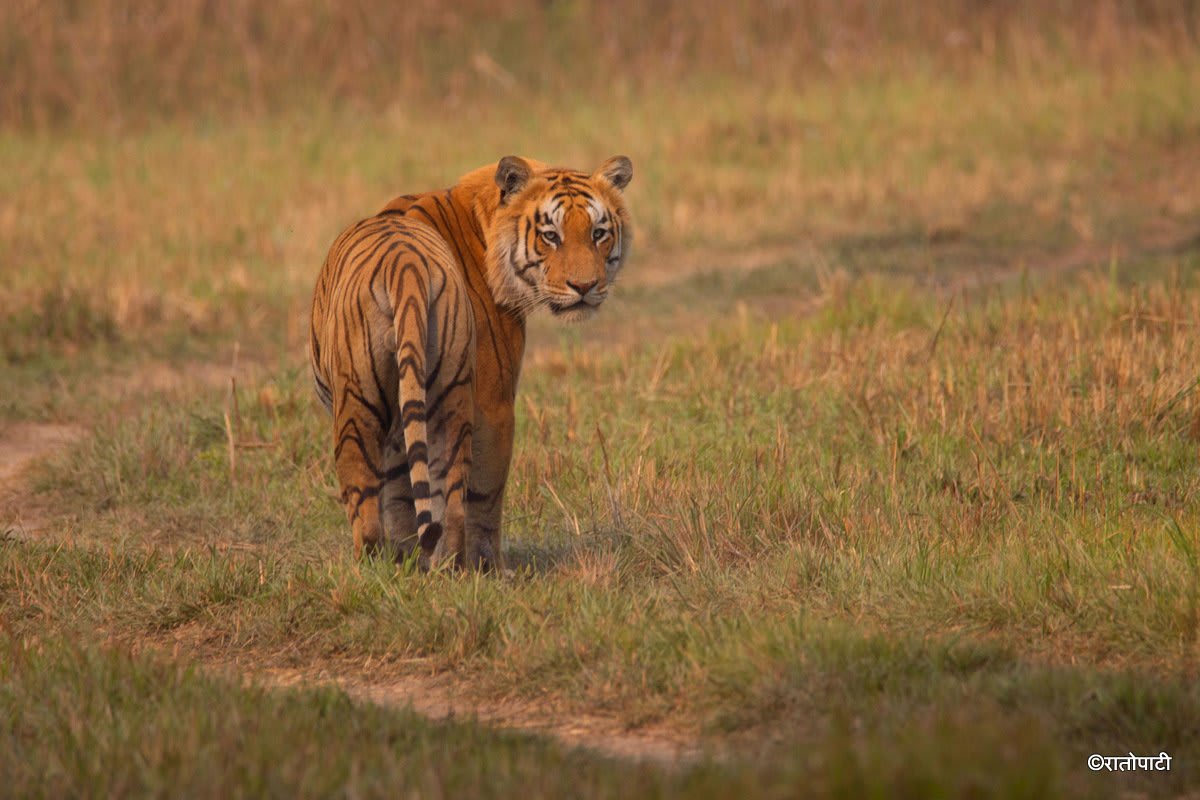
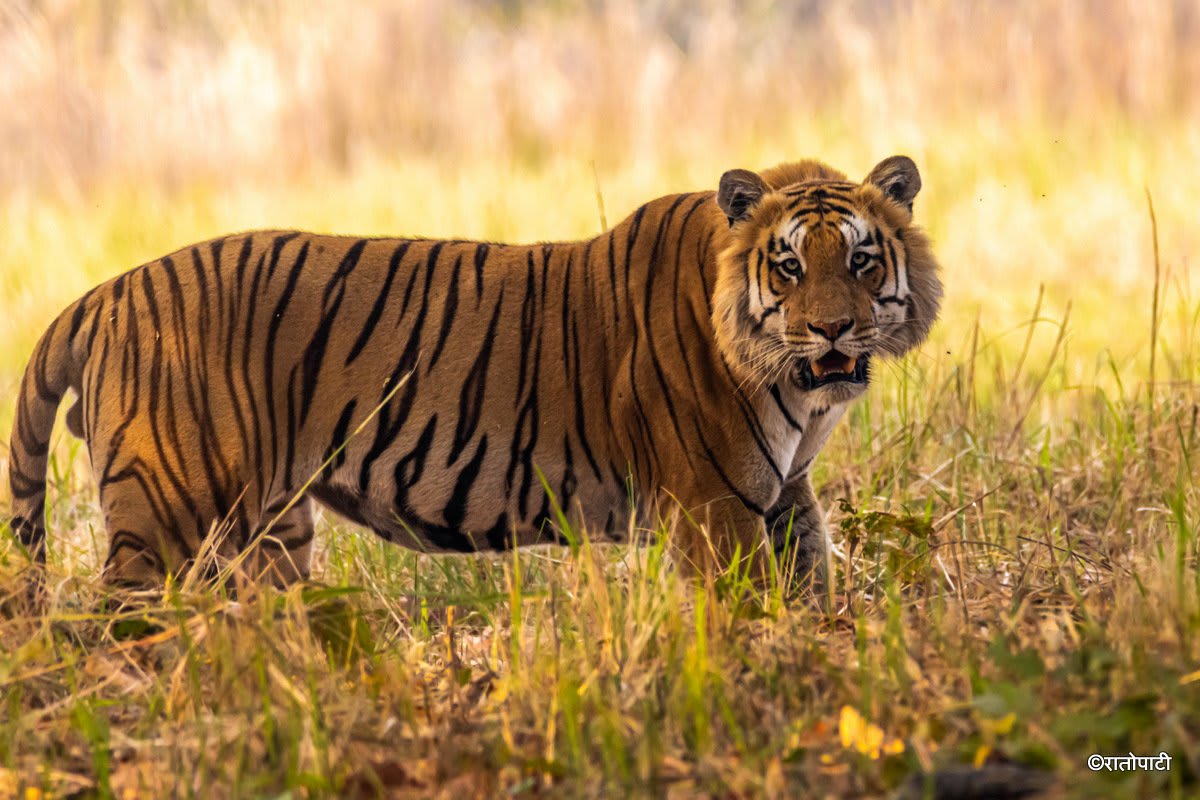
Nepal celebrated World Tiger Day with news that makes conservationists around the globe smile: wild Bengal tigers now number 429 across the country's protected areas. Just four years ago, that number stood at 355.
The Department of National Parks and Wildlife Conservation released the census results showing gains in nearly every protected zone. Parsa National Park led the surge, jumping from 41 to 71 tigers, while Banke climbed from 25 to 51, and Shuklaphanta grew from 36 to 50. Chitwan National Park, the jewel of Nepal's conservation efforts, now hosts 145 tigers, up from 128 in the previous count.
Researchers used camera traps from December through April to capture proof of the growing population. Only Bardia National Park saw a dip, from 125 to 112 tigers, though experts say fluctuations are normal as tigers seek new territories.
But here's where the real work begins. Tigers need space, lots of it. A single male can claim up to 200 square kilometers depending on prey and habitat. Young tigers must venture far from their mothers to establish their own territories, and without safe passages between forests, they end up trapped in isolated pockets or wandering into human settlements.
Nepal shares the vital Terai Arc Landscape with India, a 51,000 square kilometer stretch along the Himalayan foothills. This corridor system includes 19 major wildlife passages, and at least 10 need urgent protection. These natural highways let tigers find mates from different populations, keeping their gene pool healthy and diverse.
India offers both inspiration and caution. The country now shelters 75 percent of the world's wild tigers, with numbers climbing from 1,827 in 1972 to 3,682 in 2022. Yet rapid development has fragmented forests, making corridors between protected areas critical. India has built 10 major wildlife overpasses and underpasses since 2017, recognizing that saving tigers means saving the paths they travel.
The Ripple Effect
When tigers thrive, entire ecosystems win. These apex predators keep prey populations balanced, which protects plant life and maintains healthy forests. Those forests store carbon, filter water, and support countless other species. Nepal's growing tiger numbers signal that its protected areas are functioning as they should, creating refuge not just for striped cats but for elephants, rhinos, leopards, and hundreds of bird species.
The corridors connecting these havens matter beyond borders. A tiger born in Nepal might eventually claim territory in India, or vice versa. This cross-border movement strengthens both populations and proves that conservation works best when countries collaborate. The Terai Arc shows what's possible when nations treat wildlife as a shared treasure rather than competing interests.
Nepal's achievement reminds us that even as human populations grow, we can choose to make room for wild neighbors.
More Images

Based on reporting by Google News - Conservation Success
This story was written by BrightWire based on verified news reports.
Spread the positivity!
Share this good news with someone who needs it