Nerve Discovery May Unlock New Pancreatic Cancer Treatment
Scientists at Oregon Health & Science University discovered that stress nerves help pancreatic tumors grow, opening doors to potential new treatments. The breakthrough could transform how we fight one of the deadliest cancers.
Scientists just discovered a hidden player in pancreatic cancer that could change how we treat this devastating disease.
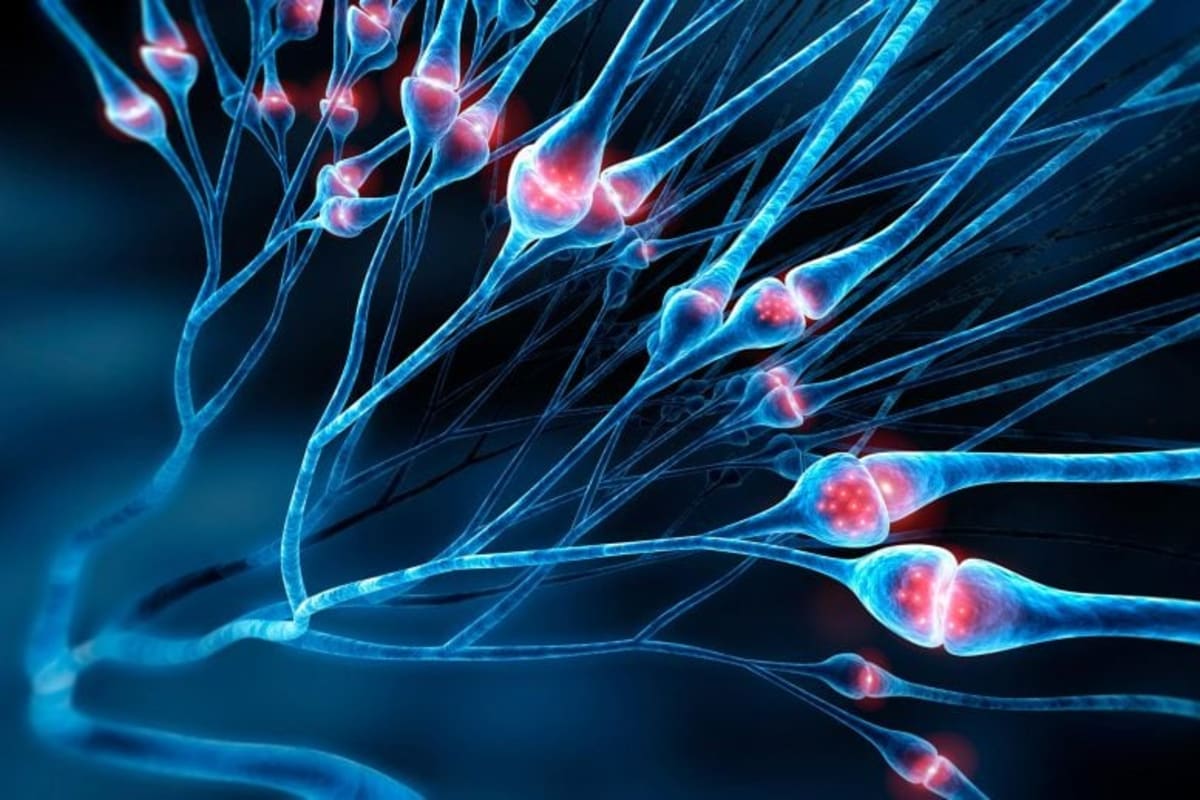
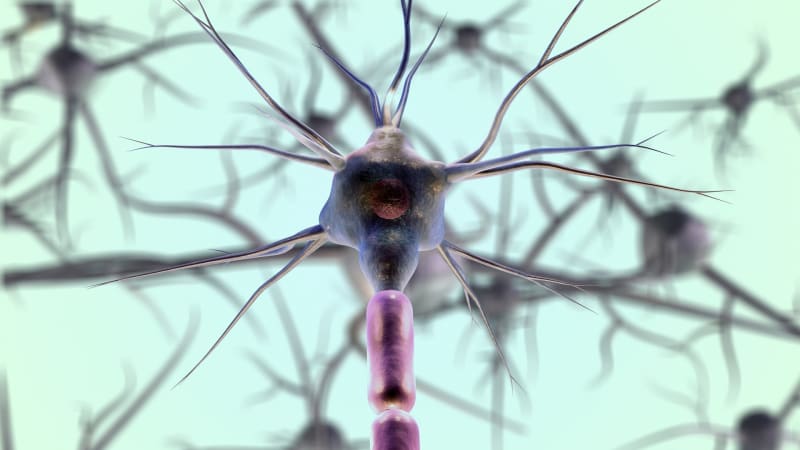
Researchers at Oregon Health & Science University found that sympathetic nerves, the same nerves that trigger our "fight or flight" response to stress, actually grow into pancreatic tumors and help them thrive. These nerves communicate with cancer cells and surrounding support cells, creating an environment where tumors can flourish.
"We were interested in gaining new insights into how sympathetic nerves interact with all of the other cells within that pancreatic cancer ecosystem," said lead researcher Ariana Sattler, Ph.D. The team published their findings in JCI Insight.
For years, cancer researchers focused on tumor cells, immune cells, and blood vessels while largely overlooking nerves. The main bodies of nerve cells sit outside tumors, making them harder to detect with traditional tools.
The OHSU team developed new methods to study these elusive nerves and created a special mouse model where they could selectively remove sympathetic nerves from the pancreas. When they removed these nerves, tumors grew smaller in female mice, suggesting that sex hormones may play a role in how nerves and tumors communicate.
The discovery was unexpected. "The sex-specific tumor phenotype that we observed was very unexpected," said senior author Ece Eksi, Ph.D., whose lab is now exploring how sex hormones influence this nerve-cancer connection.
The Bright Side
This research opens exciting new treatment possibilities that already exist. Some scientists are testing whether beta blockers, commonly used heart medications that dampen stress signals, might help slow certain cancers. Nerve stimulation devices currently used for other diseases could someday be explored in cancer treatment too.
The pancreas may be especially sensitive to these nerve signals because it's a gland that regularly responds to hormones and nerve communications. Understanding this connection gives doctors potential new targets beyond traditional chemotherapy and surgery.
The study also highlights an important shift in cancer research. Tumors don't grow in isolation. They interact with and depend on multiple body systems, including the nervous system, creating a complex ecosystem that supports their growth.
By mapping these connections, researchers are uncovering vulnerabilities that could lead to treatments for a disease that desperately needs more options. Pancreatic cancer remains one of the deadliest cancers, making every new discovery a potential lifeline for future patients.
What started as a study about overlooked nerves has become a promising pathway toward treatments that could one day save lives.
More Images


Based on reporting by Medical Xpress
This story was written by BrightWire based on verified news reports.
Spread the positivity!
Share this good news with someone who needs it