Netflix Show Launches Woman Into F1 Engineering Career
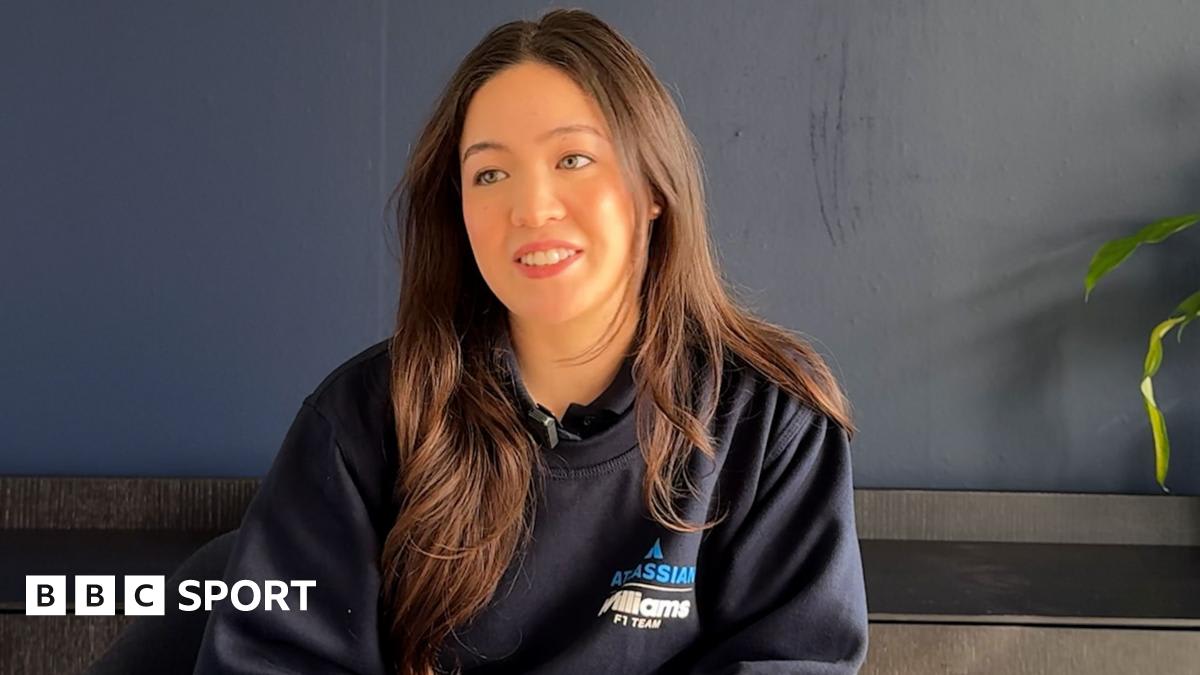
Christina Sullivan went from never watching Formula 1 to becoming a wind tunnel engineer at Williams Racing in just five years. Her journey started with a Netflix show and represents a massive shift bringing women into motorsport.
Five years ago, Christina Sullivan had never watched a Formula 1 race. Today, the 27-year-old Canadian wakes up every day as a wind tunnel systems engineer for the Williams F1 team, helping design cars that race at speeds over 200 mph.
Her unlikely journey started in 2021 when she began watching Netflix's Drive to Survive with her sister. Sullivan was studying engineering at the University of Waterloo when a work placement fell through during the pandemic, leaving her searching for new opportunities.
The show changed everything. Sullivan became fascinated by the technical challenges of F1 and wondered if she could combine her engineering degree with this newfound passion.
"It was a big pivot," Sullivan told BBC Sport. "I hadn't watched the sport before the show came out."
She applied for internships at F1 teams that same year. Williams offered her a placement at their Oxfordshire headquarters, and Sullivan hasn't looked back since.
Now she works on the wind tunnel model that tests scale versions of race cars under different conditions. Her team's findings directly improve the aerodynamics and performance of the cars competing on tracks worldwide.
Sullivan's story reflects a dramatic transformation happening across motorsport. Between 2017 and 2024, the proportion of F1 fans who are women jumped from 8% to 42%, according to the 2025 Global F1 Fan Survey.
Drive to Survive played a major role in that shift. Research found that 46% of the show's seven million UK viewers are women, and three out of four new F1 fans are female.
Williams has actively worked to bring more women into the sport. When Claire Williams led the team from 2013 to 2020, she increased female workforce representation from 9% to nearly 20%.
The F1 Academy, an all-female racing series, has accelerated progress even further. Managing director Susie Wolff told BBC Sport she's never seen so many young girls at kart tracks with dreams of racing professionally.
Why This Inspires
Sullivan grew up with two female engineers in her family, her mom and sister, but still felt isolated studying engineering in college. She noticed being one of maybe two women in most rooms.
"My mum and sister taught me quite quickly to advocate for myself and to be confident," she said. Those lessons helped her navigate early career challenges.
She acknowledges the industry still has work to do but sees real momentum. Williams and programs like F1 Academy are creating visibility that didn't exist when she was younger.
With F1's biggest rule changes in history happening this season, Sullivan's team has been incredibly busy developing new testing tools and rapidly adapting to design requirements. The work energizes her, even if she's too busy these days to watch the show that started it all.
From Netflix viewer to racing engineer in five years proves that representation and accessibility can transform who sees themselves in technical careers.
More Images


Based on reporting by BBC Sport
This story was written by BrightWire based on verified news reports.
Spread the positivity!
Share this good news with someone who needs it